

A simple technique can rescue some vintage gems surprisingly quickly.
Many fashion lovers will recognise the situation: at a flea market or charity shop, you spot a dreamy retro piece – only to face the harsh truth at home: it is too tight, and no zip in the world will close. Before putting it back in its box or listing it online, take a closer look. With a little know-how and a clever 5-minute method, it is often possible to gain a whole size.
Why old clothing sizes no longer fit today
That initial shock in the fitting room is rarely about your body; it is usually down to fashion history. Sizes from the 1960s or 1970s differ hugely from current standards. A size “40” from that era often equates more closely to a modern size 36. So if you feel as though you have “suddenly grown”, you have simply fallen into the sizing trap of the past.
Older garments also tend to be more sharply tailored and cut more closely. The strain then falls directly on the side seams, waistband or hips. Pulling too hard in these areas can damage the fibres, causing them to distort or, in the worst case, tear. This is particularly disastrous with high-quality vintage textiles, as the original piece can rarely be replaced.
“The good news is that, with the right technique, you can give treasured garments that have become tight a little room to ‘breathe’ without ruining their distinctive shape.”
What is realistic? The magic four centimetres
When people refer to going “up a size”, they generally mean gaining around four centimetres in circumference at the key point: the waist, hips or bust. Think of those four centimetres as split across both sides of the body, with two centimetres on the left and two on the right. This is precisely the guideline tailors use when assessing whether there is still enough give in the fabric.
Gentle stretching, damp warmth and movement can create a little extra room in natural fibres. However, if more than four centimetres are missing, a quick trick will not be enough. The garment will then need alterations to its construction, such as gussets or letting out the seams.
The 5-minute trick for tight vintage jeans
A particularly useful quick method works for old jeans made from 100% cotton: denim with no elastane. These fabrics react strongly to water and tension. In practice, this means they often shrink in the wash, but can also be carefully stretched back out.
How the method works, step by step
- 1. Dampen the fabric: Use a spray bottle to thoroughly moisten the waistband and upper hip area of the jeans with lukewarm water. The fabric should be noticeably damp, but not dripping wet.
- 2. Put them on while damp: Carefully pull on the jeans. They may feel snug, but should not be painful. If they will not fasten at all, do not force the closure.
- 3. Move rather than standing still: Stay active around the house for three to five minutes, doing squats, lunges and gentle twists of the upper body. Movement spreads the pulling tension more evenly.
- 4. Maintain the shape: Then allow the jeans to rest slightly stretched, either while worn or over a wide clothes hanger, so that the denim settles in its expanded position.
- 5. Air-dry: Leave them to dry naturally rather than using a tumble dryer, otherwise the cotton will shrink more noticeably again.
If you do not fancy wearing damp trousers, you can pull the moistened jeans over a very wide wooden hanger or an improvised “waist” made from cardboard and leave them there to dry. The tension at the waistband is crucial, as this is often what determines whether an old garment becomes wearable again.
“This simple combination of water and movement can add up to three centimetres to the waist circumference of rigid cotton jeans.”
When the vintage jeans trick is not enough: using gussets
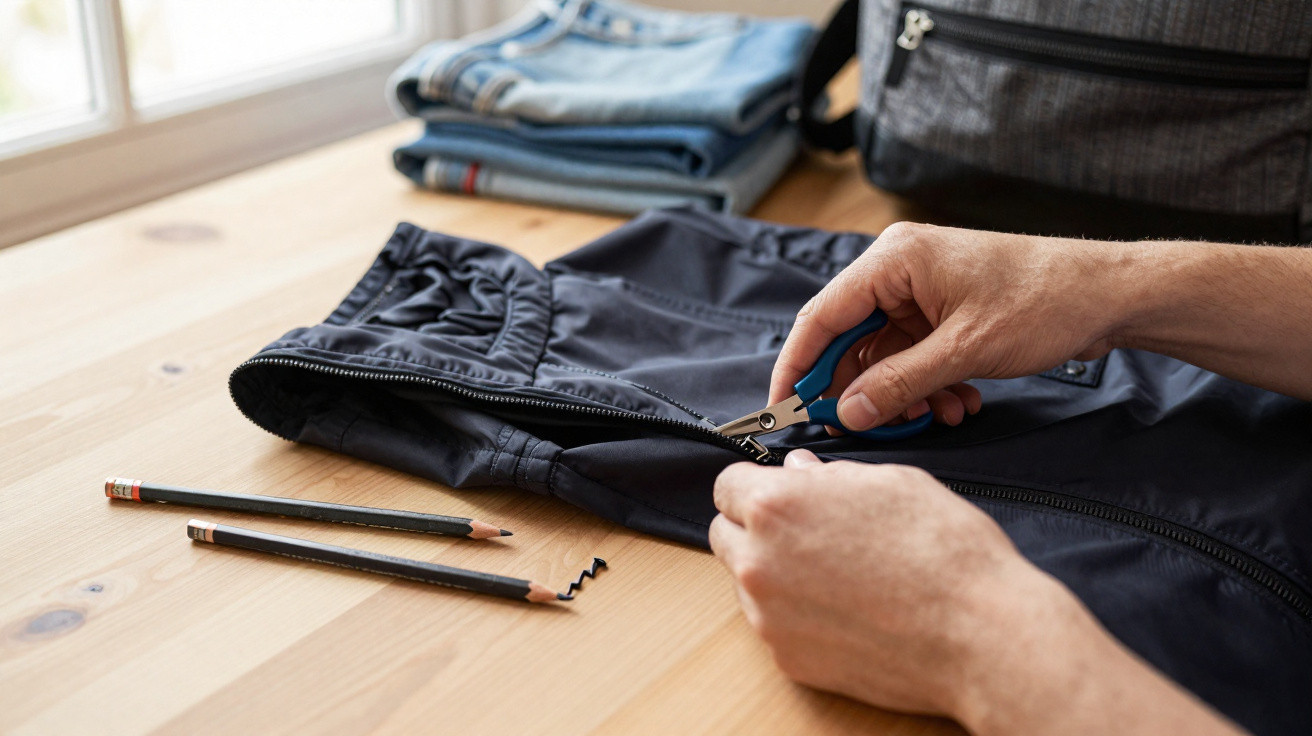
If stretching does not provide enough room, or if you are dealing with skirts and dresses, a classic tailoring solution comes into play: the gusset, often described as a small insert or panel. It redistributes the tension and adds width exactly where the fabric pulls most, usually at the side of the hips or waist.
Adding extra width to skirts and dresses
The basic idea is straightforward: open the side seam slightly and stitch in a small triangular piece of fabric. This creates more room in the cut without losing the garment’s original shape.
A useful rule of thumb for many vintage garments is:
- Open the side seam where the garment is tight, usually for around 5 to 7 centimetres.
- Cut a diamond-shaped piece of fabric measuring approximately 6 x 8 centimetres.
- Fold the diamond in half to create a triangle.
- Insert this triangle into the opened seam with the point facing downwards, filling a V-shaped gap.
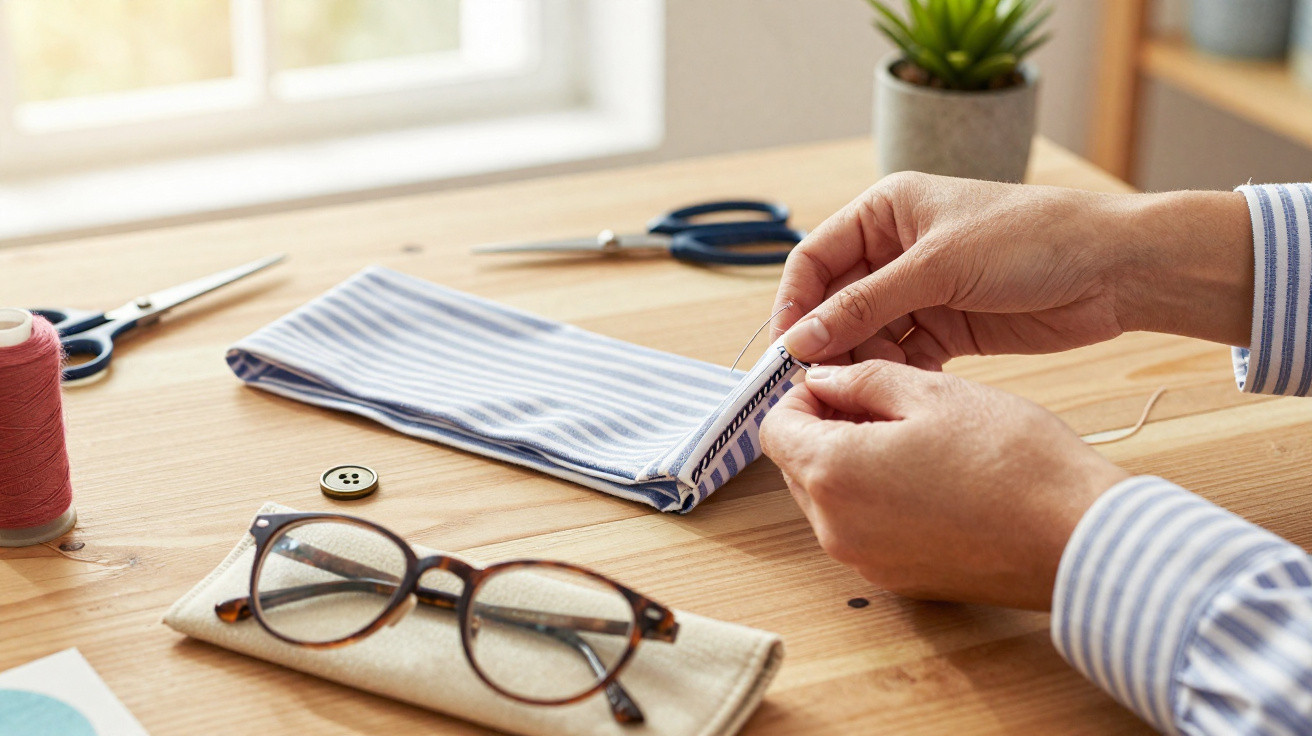
- Secure both sides with close, strong stitches.
Repeating this on the left and right adds even width at the hips or waist. Ideally, you will get close to the four centimetres of additional room mentioned above, without the silhouette looking spoiled.
Fabric makes all the difference
How well these techniques work depends greatly on the material:
| Material | Response to water and tension | Suitability for the 5-minute trick |
|---|---|---|
| 100% cotton denim | Swells when damp and reshapes under tension | Very suitable |
| Cotton blend with elastane | Stretches, but may become baggy | Use with caution; there is a risk of bulging |
| Wool / wool blend | Delicate; can felt or become distorted | Better taken to a tailor |
| Silk / viscose | Reacts strongly to water and heat | Do not attempt it yourself; use a professional |
For particularly fine or delicate fabrics, it is worth visiting an alterations tailor, especially if the vintage garment has significant collector’s or sentimental value.
A practical everyday example
Picture a typical scenario: a shopper finds the perfect 1960s pencil skirt, with quality fabric, a beautiful colour and an ideal cut. At home, the zip stops a few centimetres short of the waist. In the past, the skirt would simply have gone back into the bag. With a little confidence, though, more can be achieved.
In this situation, you can carefully unpick the waistband on both the right and left, then add small, sturdy triangles made from matching fabric – or even strong elastic. The zip closes again, the skirt remains close-fitting, but it no longer pinches with every step. It is this combination of the original line and newly gained comfort that makes such alterations so appealing.
How to prevent mistakes and damage
Anyone attempting alterations themselves should keep a few basic rules in mind:
- Start work on the wrong side of the fabric and check how the alteration affects the garment.
- Never force a fastening: the zip and seams will be the first things to suffer.
- Stretch in several small stages instead, measuring in between.
- Always measure again when the garment is dry before making a final decision.
A tape measure helps prevent unrealistic expectations. Checking before purchase whether the waist, hips and bust measurements are even within reach can save you from frustrating experiments later.
Why vintage is worth the effort
Retro fashion has long been about more than nostalgia. High-quality garments from previous decades are often made better than many modern fast-fashion pieces. Dense fabrics, strong seams and distinctive buttons are all features rarely found in the budget market today. By investing a little time, you can end up with a one-off piece that nobody else is wearing.
There is also the sustainability benefit: every rescued garment is one that does not need to be newly manufactured. Fewer resources, less waste and more personality in your wardrobe. A well-fitting vintage skirt or perfectly worn-in pair of jeans can last for many years, continuing to tell a little piece of fashion history each time it is worn.
With a little practical courage, a few stitches and a 5-minute water trick, many old favourites can be brought back to life. Rather than giving up when the waistband feels tight, you can make the fabric work in a targeted way – and, in the best case, enjoy that exact moment when the old jeans fasten again, feel comfortable and seem as though they had never been gone.




Comments
No comments yet. Be the first to comment!
Leave a Comment