
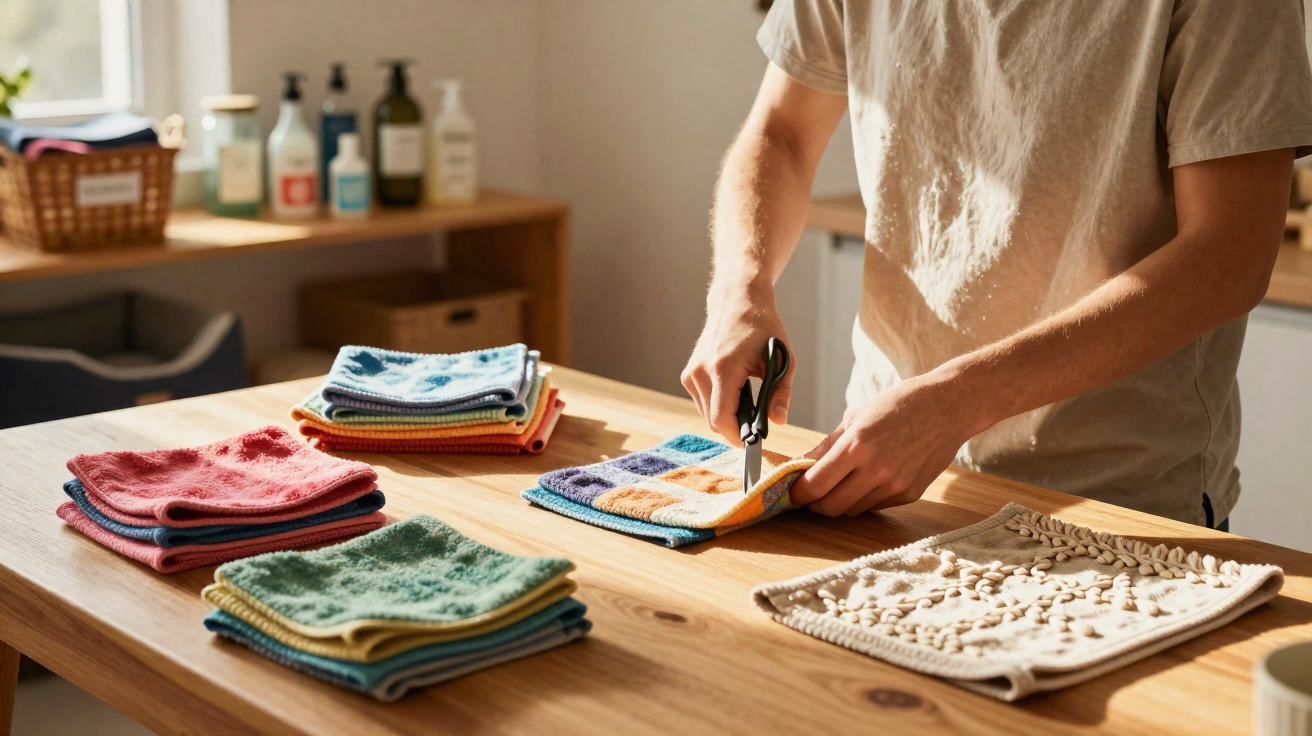
Turning the home into a space that supports wellbeing has become increasingly important in recent years. Alongside this shift, there is growing interest in cutting waste and finding new uses for everyday items. In this context, old towels are no longer simply worn-out household linen: they can become a useful resource in a more sustainable routine, helping to reduce textile waste and spending on household products.
Why does reusing old towels at home make a difference?
Giving old towels a new purpose is not only about saving money; it is also about making better use of items already available at home. Turning a worn towel into another practical item extends its useful life and can prevent the purchase of new products that often serve exactly the same purpose.
Because they are made from highly absorbent fabrics, towels remain effective for jobs such as cleaning, drying surfaces and protecting areas exposed to water, mud or dust. An item that once appeared to have no further use can therefore become a helpful tool for home maintenance and reducing waste.
Watch a video on the Oficina de Casa YouTube channel about practical craft projects and ways to turn worn cloths and towels into super-absorbent tools for heavy-duty cleaning:
What are the most practical ways to reuse old towels?
One of the best-known options is turning towels into cleaning cloths. Simply cut the fabric into squares or rectangles to make cloths for use in the kitchen, bathroom or utility room, reducing the need to buy new cleaning cloths regularly.
The material can also be used as covers for mops and squeegees, or made into fabric make-up-removal pads to replace disposable products. To make everyday uses easier to organise, consider how each type of towel can be repurposed:
- Thicker bath towels: ideal for floor cloths, mop covers and simple mats.
- Face towels: suitable for sink cloths, furniture dusters and drying surfaces.
- Softer hand towels: excellent for facial cleansing pads and skincare.
- Very worn towels: useful for protecting surfaces during painting and renovation work, or lining pet carriers.
How can repurposed towels provide comfort and help care for the home?
Towel fabric can improve a home's thermal comfort. For instance, roll up a towel and place it along the bottom of doors to block draughts and minor leaks. Some people also sew covers around the towel, creating draught excluders that look neater and are easier to clean.
For pet care, old towels are useful for drying paws and fur after walks or baths, and they can be used as lining in beds or pet carriers. Those who enjoy crafts can also make simple mats for wet areas, bath mitts, and protective covers for shelves and car seats.
What care is important when reusing old towels?
Before putting towels to another use, it is essential to check the condition of the fabric. Towels with visible mould, lingering odours or severely damaged fibres are not suitable for direct contact with skin or food. They are better reserved for protecting surfaces during painting and renovation projects.
A few habits can help preserve the hygiene and durability of repurposed towels: wash them often, preferably in hot water where possible, dry them in a well-ventilated place, and avoid using too much fabric conditioner, as it reduces absorbency. Keeping cloths for heavy-duty cleaning separate from those used for personal care makes the routine safer and more organised, supporting a more sustainable lifestyle without requiring major changes.





Comments
No comments yet. Be the first to comment!
Leave a Comment