
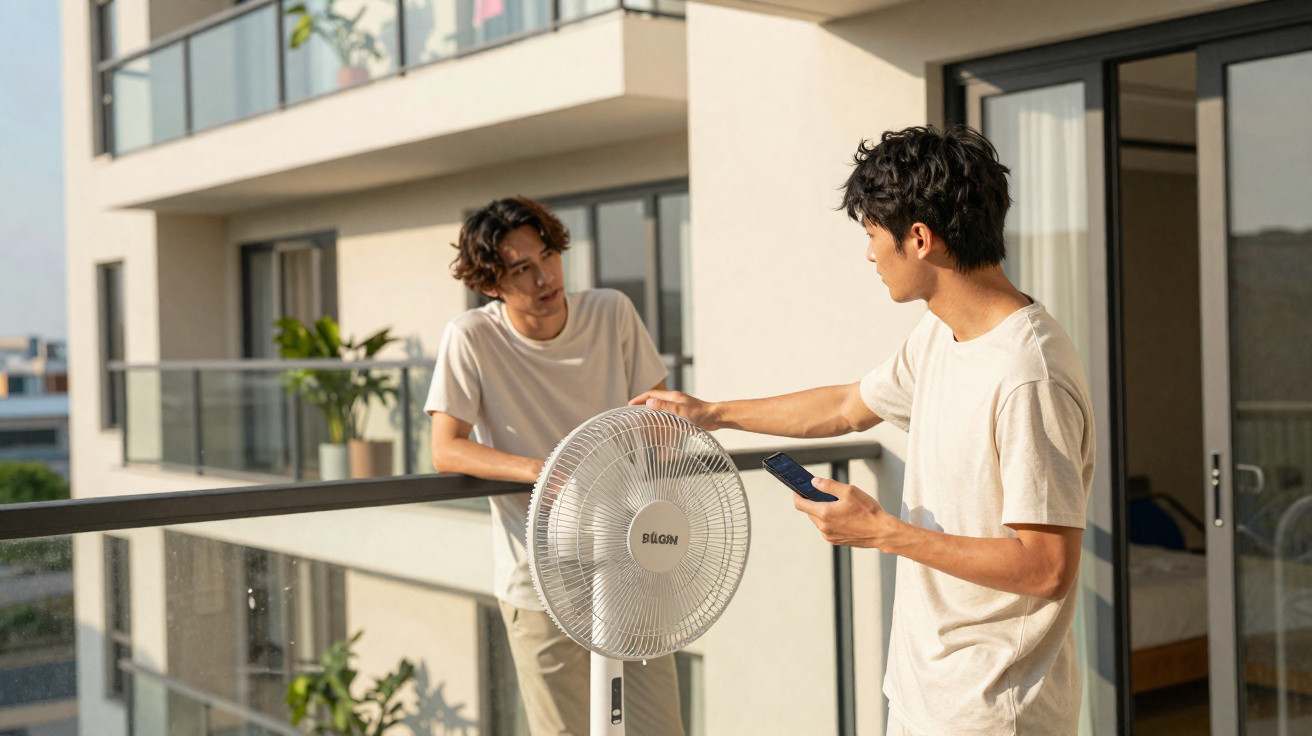
With each summer, rising temperatures once again turn many homes into hot, stuffy spaces with limited air circulation. In small flats, top-floor properties, poorly insulated bedrooms or rooms facing direct sunlight, a good night’s sleep can suffer when the heat lingers into the early hours. As a result, many households turn to fans as a quick, affordable way to ease thermal discomfort.
Can a noisy fan cause problems with neighbours?
A fan is a common ally during warmer months: it is generally cheaper than air conditioning, portable and uses less electricity. However, if it is out of adjustment, badly placed or poorly maintained, noise from its blades, motor or vibrations can travel through walls, windows and internal courtyards, disturbing other residents.
In buildings with thin walls or closely positioned windows, a noisy fan used at night is even more noticeable, particularly when it runs continuously at full power. It can disturb neighbours who work standard daytime hours, households with young children and older people who sleep lightly. This may create friction that often begins with brief comments in communal areas before developing into formal complaints.
Watch a video on the YouTube channel O Pulo do Gato na Construção about installing fans and equipment correctly to prevent noise, vibration and structural problems:
https://www.youtube.com/watch?v=qMiwKIn0N7w
What steps can prevent a noisy fan?
Prevention is the simplest way to avoid disputes caused by noise. Basic maintenance carried out at home can greatly reduce the likelihood of a fan becoming noisy overnight. Cleaning the blades, tightening screws and adjusting the base help to limit vibrations and squeaking, while metallic sounds from the motor may indicate that it is time to replace the appliance.
Everyday habits can also maintain air circulation without causing unwanted noise, making fan use quieter and more effective in a residential building:
- Place the appliance on a solid, stable surface rather than unstable furniture;
- Keep the fan away from shared walls and windows facing an internal courtyard;
- Use medium speed during the night to reduce motor noise;
- Partly close the room’s window to limit how far the noise travels outside;
- Where possible, choose models marketed as a quiet fan.
How do residential buildings usually deal with a noisy fan dispute?
When noise from a neighbour’s fan begins to disrupt rest in another flat, direct conversation is usually the first step. In many cases, simply repositioning it, changing the supporting surface, lowering its speed or altering the times it is used resolves the issue without formal involvement from the building management.
If the disturbance continues, the resident can report it to the building manager or management company, which may issue written notices and, in persistent cases, bring the matter before a residents’ meeting. In extreme circumstances, where continuous noise has been confirmed through measurements and is linked to disrupted rest, some residential buildings seek court action to stop the activity considered a nuisance, always relying on neighbour law and internal rules.
How can thermal comfort be balanced with the right to peace and quiet?
In areas of intense heat, fans and other cooling equipment are seen as almost a basic necessity, especially during heatwaves that have become more frequent up to 2026. At the same time, people living in blocks of flats and residential developments are entitled to peace at night and protection from excessive noise, requiring common sense from everyone involved.
A fan that is in good condition, clean, properly adjusted and well positioned is far less likely to become a source of disagreement. Combined with small measures such as closing curtains during the sunniest hours, making use of cross-ventilation early in the morning and wearing light clothing to bed, these steps can reduce reliance on the appliance at maximum power and make hot days more comfortable, with less strain between neighbours.






Comments
No comments yet. Be the first to comment!
Leave a Comment