
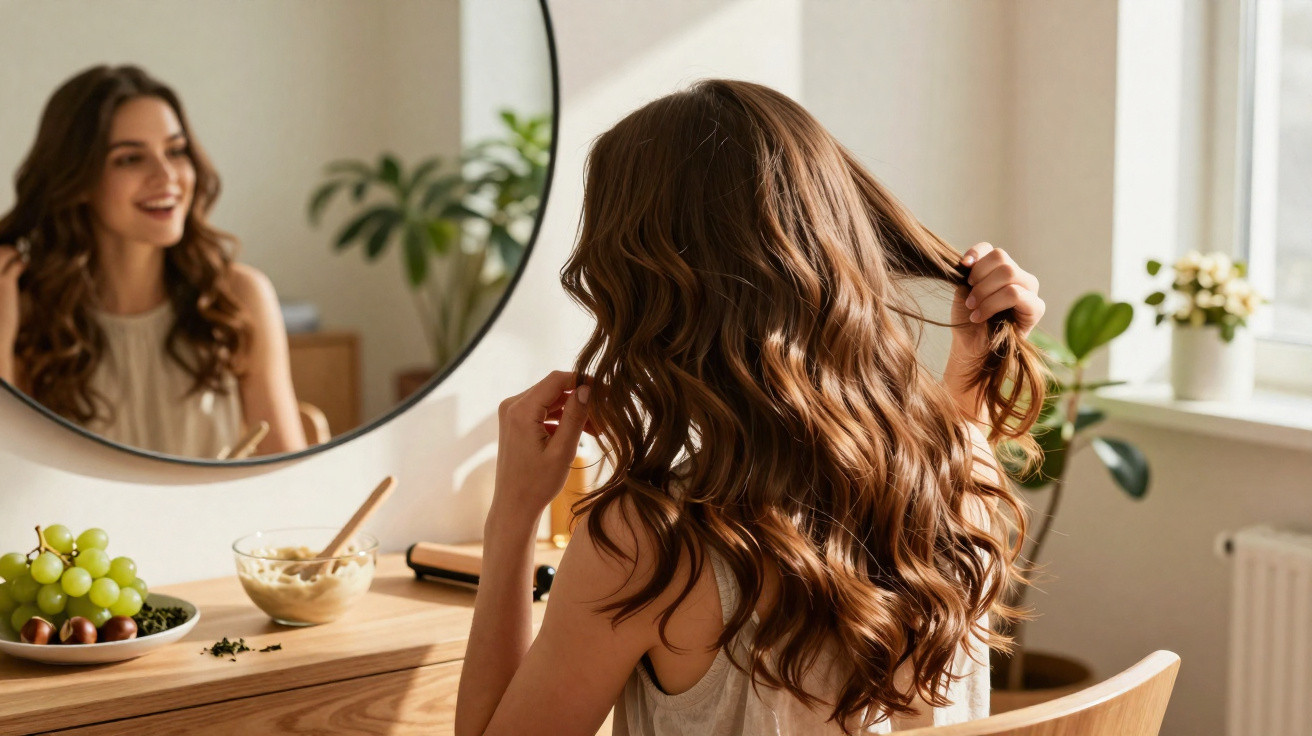
Hair straightening is no longer synonymous with using hair straighteners every day and damaging the hair. New hair treatment techniques prioritise health, shine and frizz control without relying on excessive heat. In salons and even at home, options such as tanninoplasty are becoming increasingly popular with people seeking naturally straight-looking hair.
What has changed in techniques for straight hair?
The priority has shifted from a stiff, artificial finish to straighter hair that feels lighter, with movement and a soft touch. Current procedures treat the hair fibre while aligning the strands, cutting down the need for frequent straightener and blow-dryer use.
This development comes from combining organic active ingredients, mild acids and proteins that restructure each strand. Results can be seen from the first few applications, with less frizz and a smoother-looking finish, even without styling with excessive heat.
How does tanninoplasty reduce frizz without harsh treatment?
Tanninoplasty uses tannins, natural compounds extracted from plants, to provide gradual hair straightening. Unlike older methods, it does not aggressively break down the hair’s structure, helping to minimise damage while retaining elasticity.
During treatment, the product coats the hair fibre and reshapes it. This helps control frizz and enhance shine without requiring extreme temperatures. As a result, many people can keep their hair straight for longer without using hair straighteners every day.
What are the benefits of avoiding excessive heat?
Using fewer heated styling tools has a direct effect on hair health. Excessive heat strips away natural moisture and weakens the hair structure, making breakage and split ends more likely.
Choosing less harsh straightening techniques can bring practical day-to-day improvements:
- Less dryness through the lengths;
- Noticeably less frizz in everyday life;
- Longer-lasting blow-dried or aligned hair;
- More even shine and a silky feel.
Does hair straightening without straighteners work for every hair type?
Although no two hair types respond in exactly the same way, modern techniques are more adaptable. Wavy, curly and even more resistant hair can achieve a straight hair effect, or simply a more aligned look, depending on the intended result.
The final outcome depends on the hair structure and the frequency of treatment. In some cases, the result is reduced volume and frizz rather than completely straight hair. Even so, this can significantly reduce the need for excessive heat as part of a routine.
Essential care for maintaining a natural straight effect
Maintaining the result requires a haircare routine that complements the procedure. Suitable products extend the straightening effect and help prevent frizz from returning too quickly.
A few daily care measures can make a difference:
- Choose shampoo without harsh sulphates;
- Use hydrating masks weekly;
- Apply heat protectant even when heat styling is only occasional;
- Avoid washing hair in very hot water.
Why has this new approach become a trend?
The demand for convenience and hair health has driven this change. No one wants to depend on hair straighteners every day to keep their hair straight, particularly when this can increase frizz and wear down the strands over time.
Techniques such as tanninoplasty demonstrate that it is possible to align, treat and reduce volume without exposing hair constantly to excessive heat. The result is a more natural appearance, genuine shine and hair that responds better to everyday care.




Comments
No comments yet. Be the first to comment!
Leave a Comment