
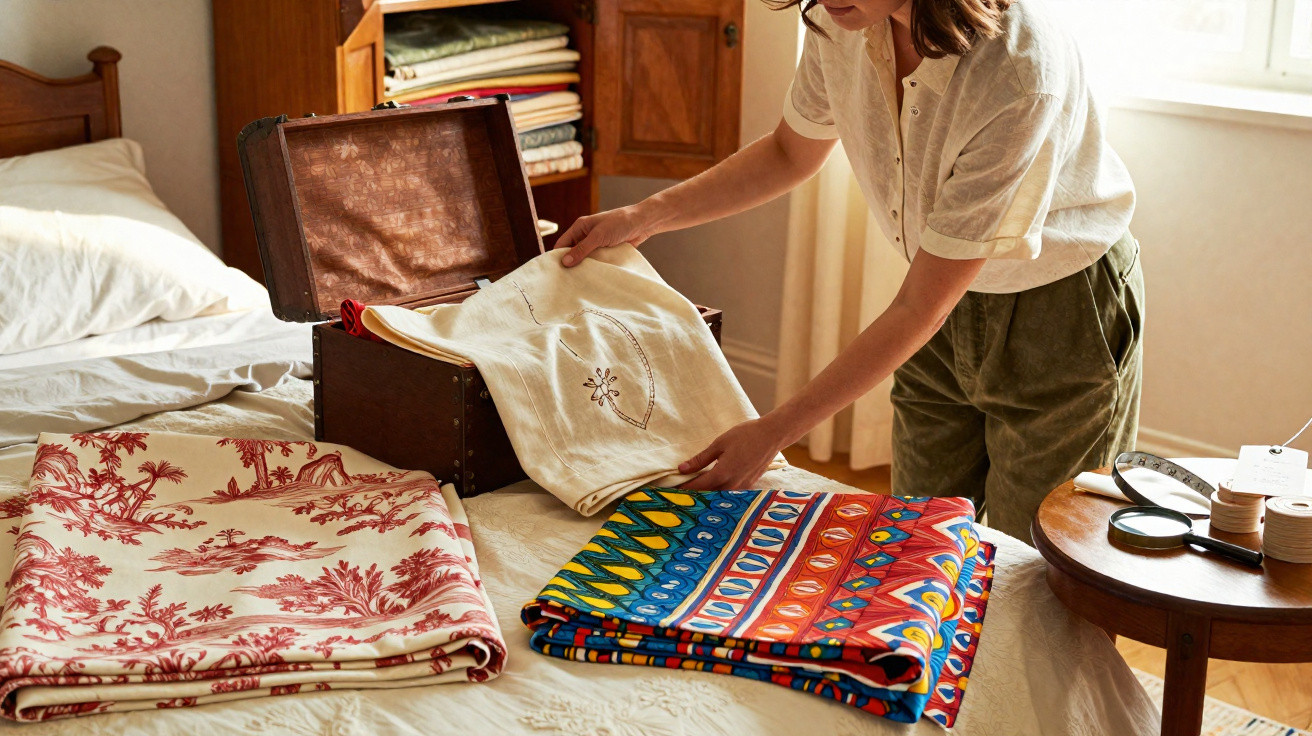
Old bed sheets, tablecloths and fabric offcuts often pile up in homes, seemingly with no further use. Yet these unassuming textiles have quietly become a booming niche in the vintage market. High-quality fabrics made before 1960 in particular can now command remarkable prices when they have the right characteristics.
Why old fabrics are suddenly in demand
The second-hand textile market has changed significantly in recent years. Items once tossed into bargain bins at car boot sales are now actively sought by collectors, fashion designers and interior designers. Quality is the principal reason: many traditional fabrics woven up to the middle of the 20th century would be extremely difficult to reproduce at modern industrial costs.
Natural fibres such as linen, hemp and high-grade cotton were commonly woven more tightly in the past and often made on slower looms. This produced fabrics with substance, structure and a feel that modern mass-produced goods rarely match.
“Old natural fibres with a dense thread structure and historic dyes can now fetch between €50 and €150 per metre.”
There is another feature that appeals to collectors. Historic dyes, such as genuine indigo for blue and madder root for red, acquire a patina over the decades that creates depth and subtle variation. This appearance is currently highly desirable in fashion and interiors, and is difficult to replicate artificially.
How to spot valuable vintage fabrics at home
Anyone searching through their wardrobes or linen chests should take a methodical approach. Start by handling the fabric:
- Check the weight: Good old fabric tends to feel heavier than inexpensive modern material.
- Watch how it drapes: Quality fabric falls softly without seeming limp.
- Feel the surface: Linen and hemp retain a cool feel, even at room temperature.
- Inspect the weave: When held up to the light, closely woven fabric shows very few gaps between its threads.
- Look at the reverse: A pattern that remains clear on the back is generally a sign of quality.
A traditional textile-industry method is the so-called burn test. If you try it, do so outdoors and with the utmost care. One thread is sufficient:
- Natural fibres: burn quickly, smell like burnt paper and leave grey ash that crumbles easily.
- Synthetic fibres: melt, crackle and form a small, hard black bead.
Sorting this way first separates natural fibres from pure synthetics. Closely woven natural fabrics, ideally dating from before 1960, are of greatest interest to collectors. Three fabric types stand out in particular, sometimes prompting genuine bidding competition.
Three classic fabrics collectors actively seek
1. Old linen sheets from trousseau collections
Heavy linen sheets from grandparents’ trousseaus are currently the undisputed stars. These pieces often date from the late 19th or early 20th century. Typical features include:
- embroidered monograms or initials in the upper third
- substantial weight, often 800 grams or more per sheet
- a cool, firm handle that tends to improve rather than deteriorate with washing
Designers turn these old linen sheets into summer dresses, wide-leg trousers and blouses, as well as premium cushions and curtains. Their fibres are durable, age attractively and offer an elegant yet rustic look.
“A group of thick, well-preserved linen sheets can fetch several hundred euros from the right buyers.”
2. Classic Toile de Jouy fabrics for furniture and decoration
The well-known cotton fabric featuring narrative scenes, often with a romantic rural theme, has been enjoying an interiors revival for several years. First editions and early prints are especially sought after. Important identifying features include:
- delicate single-colour scenes, usually red, blue or purple, on a pale background
- a reverse side that appears almost as distinct as the front
- even printing with no blurred outlines
Very old versions were often printed using copper rollers, which is reflected in the precision of their lines. Collectors and interior decorators use these fabrics for armchair upholstery, curtains, headboards and cushions.
3. Original Wax fabrics from the 1970s and 1980s
Wax prints in vivid colours and graphic patterns have long been suited to street style. Original pieces from the 1970s and 1980s are especially desirable. Signs of authenticity and age include:
- bright colours that have not faded despite the fabric’s age
- sharply defined, often large-scale patterns
- printing along the selvedge with a manufacturer’s name and sometimes a year, such as “Vlisco”
In fashion, these vintage Wax fabrics are used for dresses, jackets and special-edition collections. A complete, uncut length of fabric will usually achieve a considerably better price than small remnants.
What determines the price of old fabrics
Whether an old fabric actually reaches several hundred euros depends mainly on three factors:
| Criterion | Effect on value |
|---|---|
| Condition | Stains, tears, holes or severe fading significantly reduce the price. |
| Pattern and rarity | Unusual or scarce patterns, limited prints and early series command top prices. |
| Demand from professionals | When a pattern is currently on trend, designers and interior decorators pay considerably more. |
For clean, well-preserved fabric by the metre dating from before 1960, realistic prices are often between €50 and €150 per metre. Exceptional pieces, including rare linen qualities or iconic decorative designs, can occasionally exceed this range.
Where selling is most worthwhile
Those who do not want to sew with their fabrics themselves have several options. Particularly worthwhile routes include:
- Specialist online platforms: Collectors can filter listings by fibre type, period and length.
- Online auctions: These suit rare pieces with collector appeal.
- Brocantes, antiques markets and fabric fairs: These provide an opportunity to speak with a knowledgeable audience.
- Direct contact with professionals: For example, fashion designers, interior designers or upholsterers.
Different fabric types benefit from different selling strategies. A whole Wax fabric length appears more desirable than cut-up remnants. With Toile de Jouy, it is important that the scenes have not been broken up, allowing panels to be cut for furniture or large surfaces. Heavy linen, meanwhile, is most convincing when offered in quantity with consistent quality across the lot.
Preparing fabrics properly before selling
Putting in some work beforehand improves the chances of achieving a good price. A thorough wash is particularly worthwhile for yellowed linen. Many specialists favour detergent containing oxygen bleach, such as percarbonate, rather than chlorine. It brightens the fabric without placing unnecessary strain on the fibres.
Details then matter in the listing. Effective sales adverts always include:
- clear photographs of both front and reverse
- images of edges, selvedges, monograms or manufacturer’s marks
- precise length and width measurements
- material details, ideally supported by a burn test
- information about stains, repairs or thinning areas
“The more precise the details and the better the photographs, the more likely collectors and professionals are to buy - and to pay the asking price.”
Avoid cutting up patterns unnecessarily. Anyone slicing a Wax fabric or elaborately printed cotton simply to sell “more pieces” will usually lose money. Many buyers want large, uninterrupted sections for upholstering whole items of furniture or making long dresses.
Why old fabrics are often stronger than expected
Many people assume very old textiles will automatically be fragile. This can sometimes apply to silk or poorly stored fabrics, but densely woven linen and cotton often prove surprisingly resilient. The threads were spun more slowly, the fabrics were woven more tightly and, in some cases, finished more mechanically rather than chemically.
Historic dyes such as indigo and madder offer another advantage: over the decades, pigments settle permanently within the fibres. As a result, colours appear richer without becoming harsh. This settled depth of colour is particularly well suited to current interiors trends that prioritise quality and longevity.
Practical advice for checking your cupboards now
Anyone inspired to investigate can proceed in an organised way. Creating three piles can be useful:
- Clearly unsaleable: heavily damaged, worn thin, badly stained or largely synthetic.
- Still worth assessing: natural fibres with minor flaws, interesting patterns or a good feel.
- Likely saleable: heavy linen sheets, narrative prints and vivid Wax fabric with selvedge printing.
For the middle category, a test wash and closer inspection in daylight are often worthwhile. If you are unsure, post photographs in relevant forums or groups for textile enthusiasts to get an opinion. Some upholsterers or tailors will also offer a rough assessment on request.
Potential resale value is not the only attraction. Sorting through these textiles often gives people ideas for projects of their own: an old linen sheet can become summer trousers, while a historic furnishing fabric can make a single statement cushion. By choosing carefully, you can sell some finds and use the proceeds to have other fabrics professionally made up - a cycle that is both sustainable and rewarding for anyone who enjoys craft and design.
Comments
No comments yet. Be the first to comment!
Leave a Comment