
It asks for very little, is seldom cleaned as thoroughly as it should be, and is often the first appliance we blame when supper emerges only half-warm. One day it works away without complaint; the next it reeks of burnt plastic and you are urgently searching “strange noise microwave dying?”.
We tend to see it as an unimportant extra in everyday life, although it is really the weary backstage worker handling the fast, unseen jobs. Midnight leftovers, hurried lunches, tea reheated after you forgot it twice. Then, suddenly, it stops. Sparks. Odours. Or a dismal click followed by nothing at all.
It never breaks down at a convenient time. It happens when the children need feeding, you are worn out, or the takeaway allowance has already gone. In many cases, a handful of small habits could have prevented it.
The key is knowing what gradually damages a microwave long before it finally fails.
Why your microwave dies earlier than it should
Spend time in an office kitchen at about 1 pm and listen. Doors are constantly beeping as they slam shut, plates are turning, and somebody is pressing buttons as though operating a fruit machine. Hardly anyone gives the appliance itself a thought. It is simply expected to cope with everything we put inside it, from dried pasta to last Sunday’s curry.
The pattern is much the same at home. We cram in overfilled plates, shut the door with an elbow and end a programme by pulling the door open halfway through. Its interior becomes speckled with burst tomato sauce, set cheese and an unexplained orange splodge that nobody owns up to. It carries on working - until it no longer can.
On a repair forum, one technician described a rush of cases after Christmas. The same thing happens each year: families rely on the microwave constantly for reheating, defrosting and even preparing complete meals. Initially, the problem was not the electronics but the grime. Grease clogged the vents, dried food collected on waveguides and fans struggled for airflow. Once cooling is impaired, the magnetron overheats and the clock starts ticking.
One household he visited owned a three-year-old microwave that appeared to be ten years old. Its door had become slightly warped through repeated slamming, while sauces covered the interior in patches. “We didn’t know it mattered,” the owner said. It is a phrase heard time and again.
A microwave is not simply a magical heated box. Beneath that familiar hum is a delicate arrangement designed to operate in a very particular way. Microwaves reflect around the cavity and heat the water molecules in food. The magnetron, transformer and fan function together: creating energy, controlling power and keeping the appliance cool. Restricted airflow makes the components work at higher temperatures. As food splatters accumulate, they absorb some energy, causing hot spots and placing strain on the magnetron.
The hinges and door seals also take a great deal of strain. Each slam or twist moves them fractionally out of position. Eventually, the latch loosens, safety switches wear down and the door no longer gives a proper click. We then force it shut. That is how an everyday convenience can become a failed appliance years before it should.
5 simple habits that quietly extend your microwave’s life
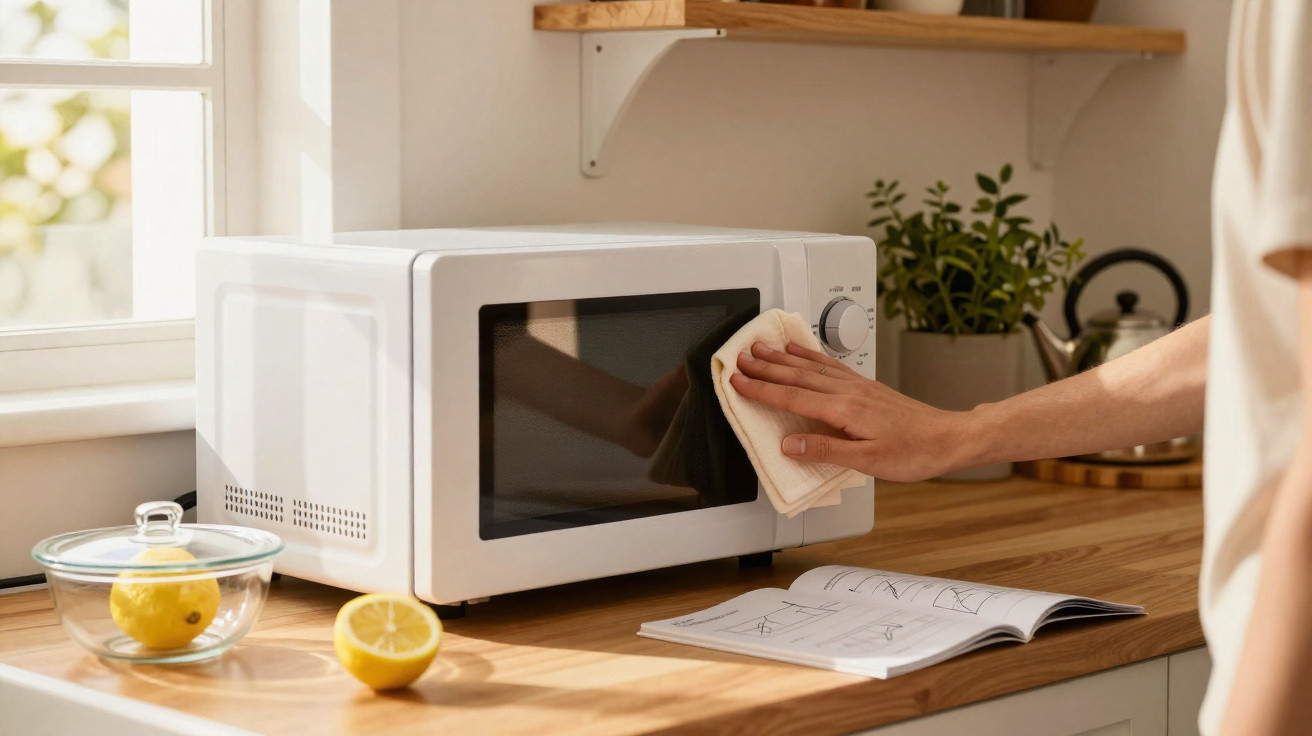
The first habit is to clean it lightly but regularly. This is not the annual “deep clean” that involves spending an hour removing fossilised lasagne. Instead, give it a quick two-minute wipe after genuine spills. All you need is warm water, a little washing-up liquid and a soft cloth.
Each week, put a mug of water and a slice of lemon inside, run the microwave for a few minutes and allow the steam to settle afterwards. Open the door and the splashes of food should be soft enough to lift away almost by themselves. There is no need for aggressive scrubbing or harsh chemicals that might harm the interior coating.
Take particular care over the ceiling and the right-hand inner panel. These are often where hot spots and waveguides are positioned. Keeping this area lightly and cleanly covered helps the waves travel as intended. A layer of dried food is like making your microwave prepare a second, hidden meal whenever you switch it on.
The second habit is to cover food every time. It does not need to be sealed tightly; a microwave-safe lid, an inverted bowl or a reusable cover will do. This retains moisture, prevents splashes and allows food to warm more evenly. The microwave does not need to work as hard to make everything piping hot.
There is a subtle emotional benefit, too. If the inside remains reasonably clean, opening the door does not feel dreadful. Warming leftovers at 11 pm becomes less of a guilty admission and more of a simple little success. On a hectic weekday evening, that matters more than we tend to acknowledge.
Let’s be honest: nobody truly manages this every single day. We forget the cover, rush about and put uncovered soup inside while hoping nothing goes wrong. That is ordinary life. The aim is not perfection but shifting the balance. Cover food most of the time and the microwave endures less punishment, while your future self faces fewer baked-on surprises.
The third habit is to treat the door and pauses carefully. Press the stop button rather than pulling the door open in the middle of a cycle. Allow the turntable to come to a full stop before removing a heavy dish. To close the door, press it until it clicks cleanly instead of shutting it with your hip while carrying a boiling mug.
“When people ask me why their ‘brand new’ microwave is failing, half the time I can hear the problem in the way they close the door,” says Mark, a domestic appliance engineer in Manchester. “They treat it like a cupboard, not a piece of kit moving serious voltage and energy.”
- Never operate the microwave when it is empty. Food or liquid is needed to absorb the energy.
- Inspect the rear and side vents every month, carefully removing any dust and grease.
- Only use microwave-safe containers; distorted plastic can harm both the food and the appliance.
- Do not place heavy objects on top, as many models vent upwards.
- If you notice burning plastic or sparks, stop at once and unplug it.
Looking differently at the quiet machine in the corner
When you begin to view your microwave as a small, overworked appliance rather than a magic box, your actions change in minor ways. You hesitate before banging the door shut. You wipe an inner corner while the kettle is boiling. You reconsider running it empty “just to dry the mug”.
These actions are almost impossible for anyone else to notice. No one is going to praise you for maintaining a magnetron properly. Still, they gradually lead to additional years of use, fewer repair call-outs and less pressure on days when you are already running on empty.
There is also a wider cost-of-living point here. Replacing an appliance before its time costs money, consumes energy and is rarely something people plan for. Passing a quick lemon-steam tip to a friend is not merely sharing cleaning advice. It is offering a modest, useful way to reduce spending, waste and frustration.
Some people will adopt all five tips as a fresh routine. Others will select only one: cover food more often, handle the door more gently or clean the vents once every few months. That is sufficient. Change does not always need to be dramatic. Sometimes it is simply you, a damp cloth and a humming appliance that will now keep going for years longer than it otherwise would have.
| Key point | Detail | Benefit for the reader |
|---|---|---|
| Regular but light cleaning | Wipe spills promptly and use lemon steam weekly | Reduces internal wear and delays breakdown |
| Respecting the cycle and door | Use the stop button, close it without slamming and never run it empty | Protects sensitive components and door safety mechanisms |
| Suitable ventilation and containers | Keep vents clear, avoid heavy objects on top and use microwave-safe containers | Limits overheating and prevents hidden damage and sparks |
FAQ:
- How long should a microwave actually last? Most household microwaves are built for around 7–10 years, but with gentle use and basic care, many push comfortably past that range.
- Is it dangerous to use a microwave with rust or chipped paint inside? A little surface rust won’t explode your kitchen, yet it can lead to sparks and exposed metal, so it’s wise to stop using it and get it repaired or replaced.
- Can I run the microwave to “dry” the inside after cleaning? Running it empty is hard on the magnetron; it’s better to leave the door open for a while and let it air-dry naturally.
- Does using full power all the time wear it out faster? Constant max power can stress some components; using lower settings for gentle reheats and defrosting spreads the load more evenly.
- Are microwave covers really necessary or just a gimmick? They genuinely help: covers keep moisture in, reduce mess, and indirectly protect the interior, which supports a longer lifespan.





Comments
No comments yet. Be the first to comment!
Leave a Comment