
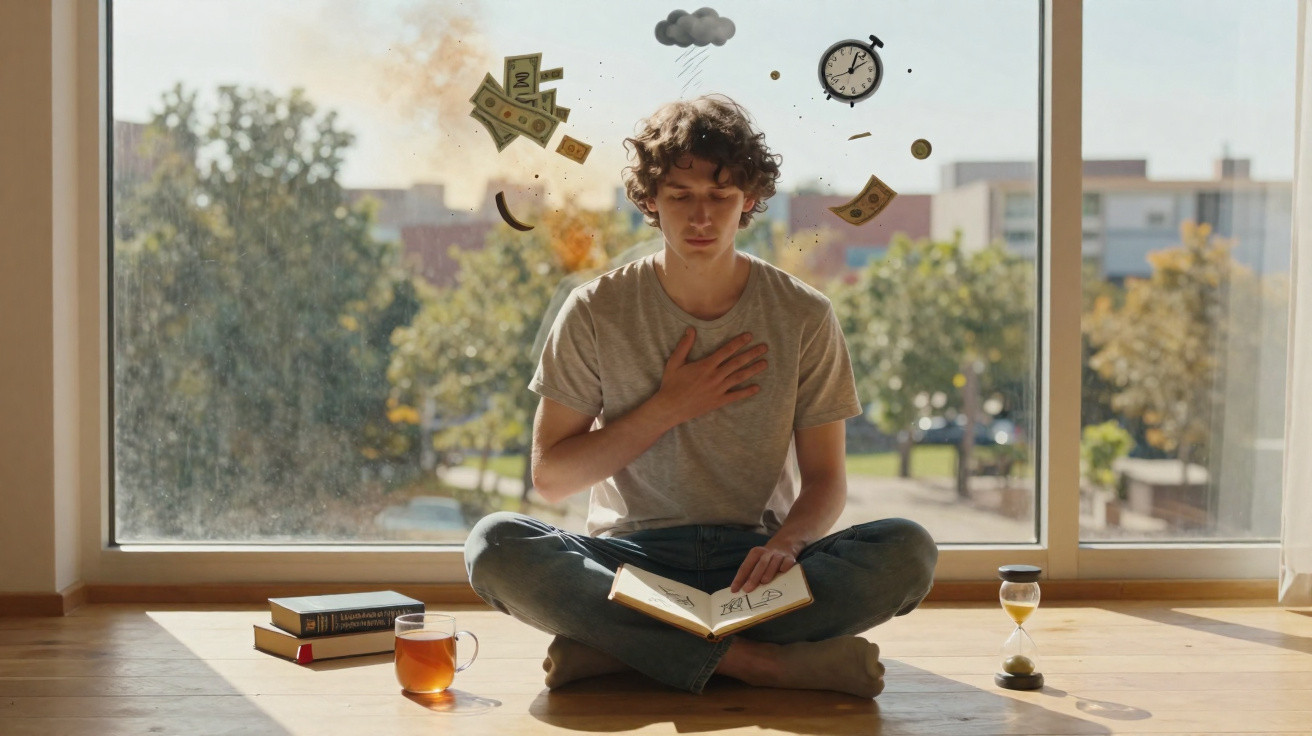
The human mind often invents imagined tragedies that create unnecessary distress in everyday life. Suffering over events that never come to pass undermines inner peace. Understanding how the imagination projects unreal threats can help restore emotional balance and make it possible to experience the present calmly.
Why does the human mind anticipate problems that do not exist?
The reflection attributed to the thinker Michel de Montaigne highlights the way people construct catastrophic scenarios in their daily thoughts. This persistent projection of future pain wears down mental stability, preventing people from recognising the genuine safety of the present moment.
When we fixate on distant negative hypotheses, the brain responds as though those threats were immediate and real. This ongoing strain prevents the clarity needed to deal with everyday dilemmas, creating an entirely unjustified emotional burden.
What did the French philosopher warn about imaginary fears?
In examining human anxieties, the thinker identified a striking pattern in the way we create pains that never...
Read more
How does imagination turn assumptions into real suffering?
The imagination can simulate losses and conflicts in such vivid detail that the body responds with immediate tension. The body releases hormones associated with stress in response to fantasies that have no concrete basis in reality.
This physical reaction shows that psychological suffering does not require real events in order to cause harm. Developing the habit of observing these thoughts makes it possible to interrupt alarmist narratives before they take over emotions and disrupt daily life with illusory worries.
Below is a video from the A Odisseia Interior YouTube channel that explores the points discussed in this topic in greater depth:
Which practical steps help control fear of the future?
Learning to distinguish remote possibilities from genuine probabilities is essential to emotional stability. Challenging the truth of every catastrophic idea lessens the effect of fear and restores rational control when facing the events of daily life.
By turning attention towards practical action in the present moment, the mind loses its incentive to drift into unsupported assumptions. This mental discipline strengthens everyday serenity and safeguards psychological health against the exhaustion caused by nonexistent dilemmas.
Essential Kit for the Mind
Daily anti-anxiety practices
Key steps for avoiding unnecessary suffering:
- Challenge the truth of catastrophic thoughts;
- Focus on concrete actions in the present moment;
- Accept the uncertainty inherent in the human future.
How does focusing on the present reduce emotional strain?
Living with attention rooted in the present reduces the mental space usually occupied by automatic worries. This conscious approach enables facts to be assessed with objectivity, stopping alarmist assumptions from setting the pace of decisions and causing needless physical tension.
Attention directed at the current moment acts as a protective barrier against chronic stress. When we accept that the future cannot be predicted completely, the mind relaxes and begins responding with wisdom to the real challenges that arise.
Several daily habits can help keep the mind grounded in reality:
- Observe thoughts without judging them immediately;
- Distinguish real possibilities from unfounded assumptions;
- Make time for pauses and mindful breathing.
Why does philosophical wisdom remain relevant to wellbeing?
Classical reflections on the human mind show that modern emotional dilemmas have ancient roots. Recognising that fear of the unknown has always accompanied humanity helps to normalise uncertainties, reducing the sense of isolation that can accompany negative thoughts.
By bringing philosophical clarity into everyday life, we build a resilient attitude towards unforeseen challenges. Giving priority to present reality frees the mind from imagined misfortunes, allowing for an existence that is lighter, more balanced and more aware of its choices.






Comments
No comments yet. Be the first to comment!
Leave a Comment