
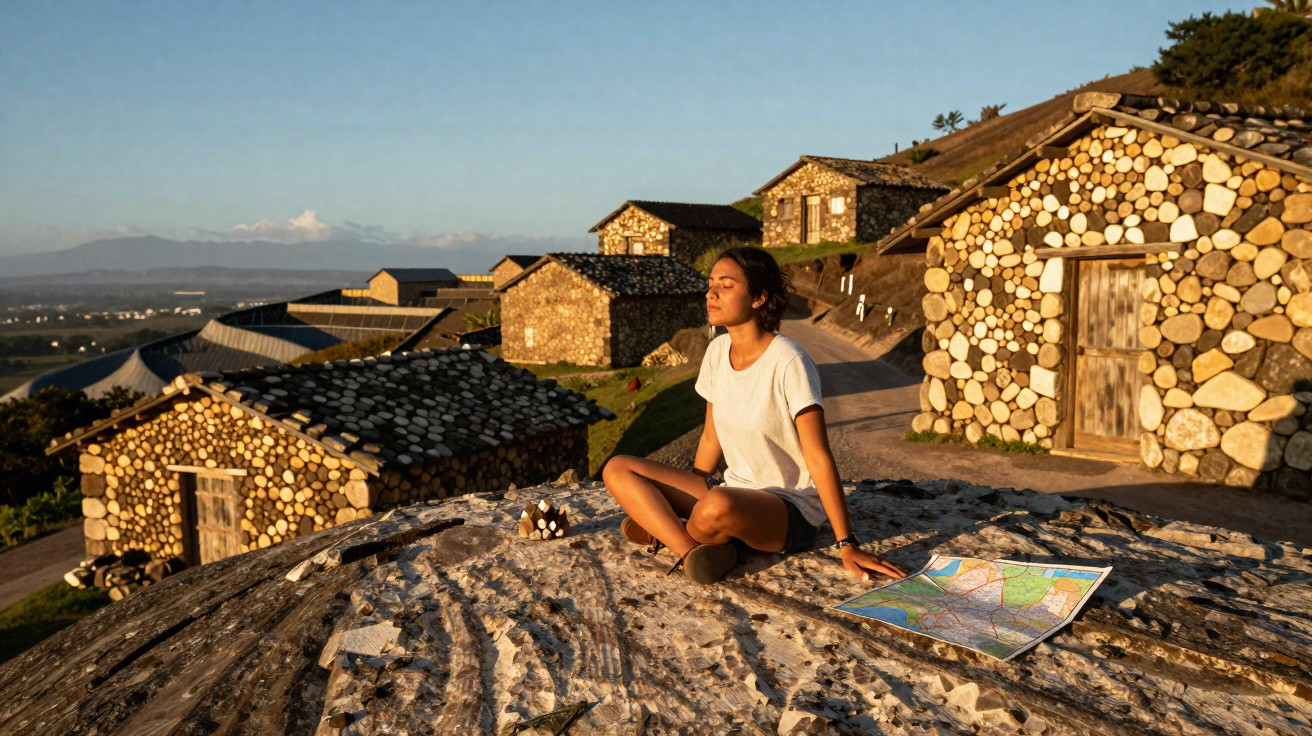
Set high in the mountains of Minas Gerais, this striking inland town draws thousands of visitors with its distinctive scenery and stone buildings constructed without cement. This unusual destination brings together regional mysticism and the area’s longstanding mining activity.
How did this remarkable stone town emerge?
Located at an altitude of around 1,440 metres, renowned São Tomé das Letras is distinguished by its unusual architecture. Its early inhabitants built homes and streets from quartzite blocks, producing an urban landscape that appears to rise straight from the mountain itself.
The material used in its historic buildings was sourced from the Serra da Mantiqueira, where rocks readily split into even slabs. This natural property made it possible to pave streets and construct religious temples with considerable strength and architectural beauty.
- Local quartzite: Commonly known as São Tomé stone, it is quarried within the region itself.
- Ancient temples: Historic structures built without any cement or binding mortar.
- Unique geology: Tabular formations that allow rock to be divided easily into flat slabs.
How does centuries-old engineering defy conventional rules?
This traditional dry-stone construction technique relies heavily on balance and the precise fitting together of surfaces. Every piece of rock must be chosen with exceptional care by the worker, ensuring it is placed in a way that creates a stable and safe wall.
Correctly positioning the slabs prevents serious structural failures in harsh weather. Well-built walls withstand strong winds and the wide temperature variations typical of a mountain setting, revealing remarkable practical knowledge passed down through successive generations of local craftspeople and workers.
What mysteries sustain the region’s mystical reputation?
The town’s official history began with the discovery of a religious image in a local cave. This event prompted the first chapel to be built in 1770, establishing the historical foundations of today’s urban centre and drawing worshippers and visitors.
Spirituality and connection
The mystical legacy of the mountains
The town attracts travellers because of recurring accounts of unusual energies, mysterious underground passages and UFO sightings. The state government promoted this identity by focusing on deep-meditation experiences.
Visitors can take part in guided astronomical observation activities and retreats centred on ancestral culture amid the rocky landscapes.
The town’s natural and cultural attractions captivate the public through the visual and energetic richness they offer. Rustic features and well-known landmarks illustrate the union between nature and local mysticism through the following major attractions in the region:
- Refreshing waterfalls in the surrounding mountains.
- Stone caves filled with local stories and legends.
- The famous Pyramid House, offering panoramic sunset views.
What is the commercial importance of regional quartzite?
In July 2024, the National Institute of Industrial Property granted a Geographical Indication to this mineral variety in the Designation of Origin category. This official recognition strengthened the supply chain for slabs used to clad ornamental surfaces.
The mineral’s particular characteristics explain its strong market demand in modern construction. This metamorphic rock has notable technical benefits that affect the choices made by builders and engineers for outdoor projects, as shown by the properties and qualities below.
- Low thermal conductivity, preventing overheating in sunlight.
- Non-slip properties that provide greater safety for outdoor users.
- A structure that splits easily, simplifying the production of flat slabs.
How can economic progress and conservation be balanced?
Intensive mineral extraction drives the municipality’s economy, creating numerous direct jobs and significant commercial revenue. However, this aggressive economic activity visibly alters the mountain landscape and places considerable pressure on vital local water resources.
Walking through this mountain range requires ongoing monitoring and strict oversight of active mining areas. Achieving the right balance preserves ecological tourism, ensuring that the mountains remain both a source of memory and livelihood for this singular community.






Comments
No comments yet. Be the first to comment!
Leave a Comment