
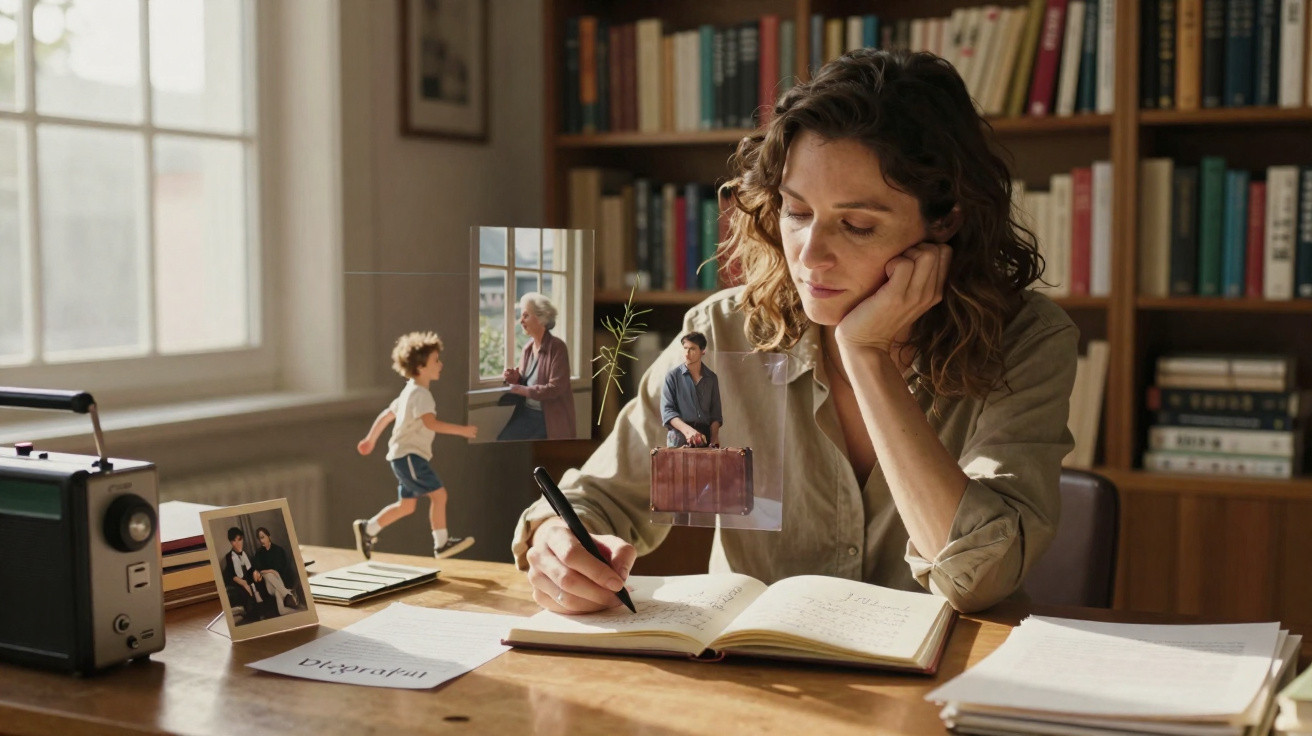
Paula Parisot’s exhibition at Rio de Janeiro’s Centro Hélio Oiticica has only recently closed, yet the story told by her work cannot come to an end. At least, not while a single trace of her art remains on earth: everything within it is urgent speech, testimony and a call for the dignity that concerns us all.
Paula Parisot and the right to biography
I often joke that my heroes have suffered too much and that, for this reason, I see adversity as evidence of a great destiny. Paula would not fill a film; she would fill an entire film festival. Her life is one of profound alarm, a walk along the edge of a precipice, and an astonishing resilience one would never expect from her beautiful, delicate appearance.
Everything about this artist exists in defence of the right to a biography: the right to be who she is, with her memory and her body amid what remains of the present day. As a writer, I find it especially compelling that an art practice could be so wholly devoted to claiming biography, as though it were not naturally inherent to the artist, as though being someone were not assured to an author.
Imagination as testimony to reality
At a time when identity is increasingly fashioned as a virtual avatar or an imagined projection, Paula Parisot does the opposite: she demands that testimony to reality be drawn from imagination. She employs everything she can imagine to demonstrate the most real of dramas. She does so to tend to her mourning, to care for her children, and to protect her indelible wonder.
I very much hope that her paintings and those extraordinary, labyrinthine drawings will come to Portugal. Then we will see that justice also means preventing silence, and that wonder also lies in knowing how to suffer while never ceasing to aim for something better. We will see how Paula Parisot, perhaps without having considered it beforehand, crossed the worst to reach a great destiny. And all of us are implicated in this because, as the Argentinians say, "screw one, screw everyone". This is what justice calls for: care for each person, so that everyone is cared for, and so that everyone knows they deserve such care as a matter of course.





Comments
No comments yet. Be the first to comment!
Leave a Comment