
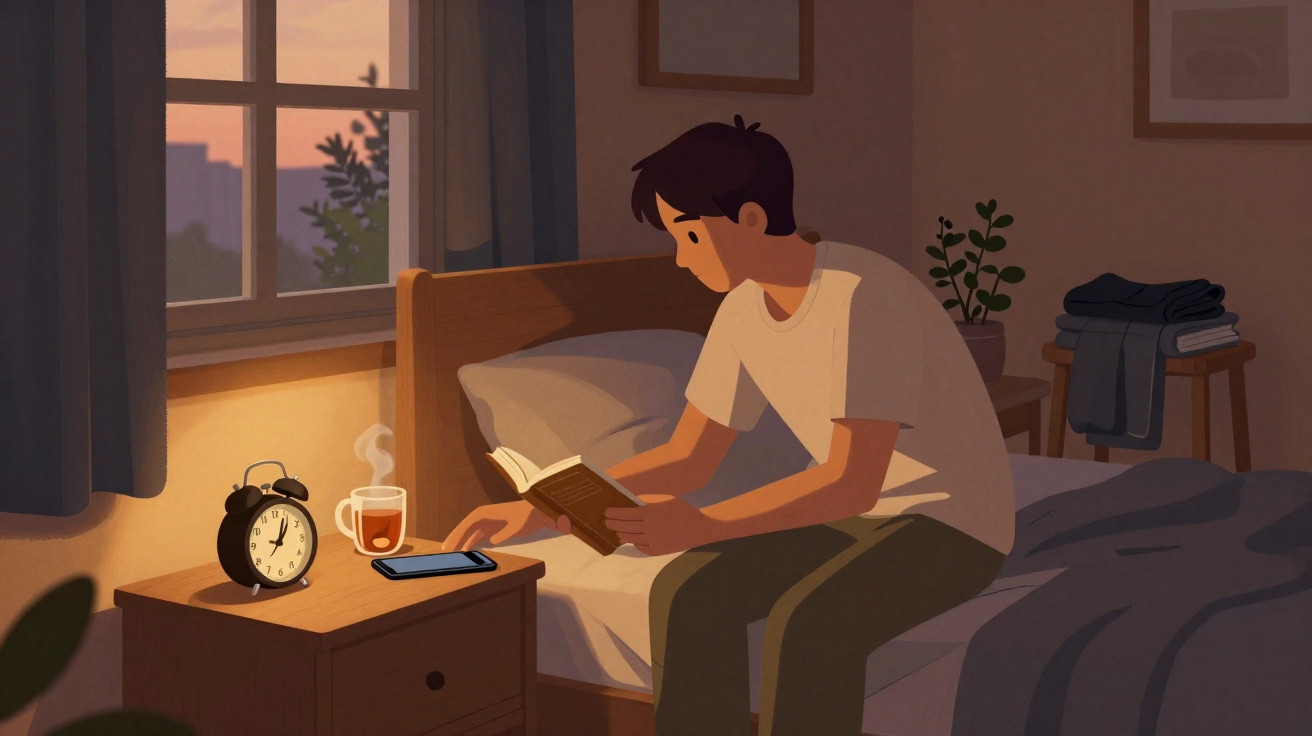
Improving sleep quality is not simply a matter of spending more time in bed. Irregular schedules, bright evening light, caffeine consumed too late, insufficient daytime activity and an unsuitable bedroom can all make it harder both to fall asleep and to stay asleep. Sleep hygiene brings together habits that can manage these factors and support more reliable nights of rest.
1. Why does going to bed and waking up at the same time help?
Keeping broadly consistent times for going to bed and getting up helps align the sleep–wake cycle. Major differences between weekdays and weekends can disrupt this rhythm, whereas a regular routine makes it easier for the body to identify the times intended for sleep and wakefulness.
Your timetable does not need to become an unrealistic rule, but consistency should remain the aim. Allowing enough time for sleep matters too: adults aged 18 to 60, for instance, are generally advised to get at least seven hours of sleep each day.
- Pick a reasonably consistent time to get up;
- Do not try to make up for a poor night by sleeping several extra hours at the weekend;
- Plan your bedtime around the amount of rest you need;
- If naps interfere with nighttime sleep, keep them shorter and take them early in the afternoon.
2. How can screens and stimulation be reduced before bed?
Sleep hygiene starts before you get into bed as well. Bright artificial light and electronic devices may tell the brain that it is still time to be awake. Cutting down screen use, lowering the lights and using the final part of the day for calming activities creates a clearer shift from an active routine to bedtime. The CDC advises switching off electronic devices at least 30 minutes before going to bed, while the NHLBI recommends a quiet period during the hour before sleep.
3. What do coffee, alcohol and dinner have to do with poor sleep?
Caffeine is a stimulant, and its effects can continue for several hours. Consequently, coffee, energy drinks, some fizzy drinks, teas and even chocolate eaten or drunk in the late afternoon or evening may make it more difficult for sensitive people to fall asleep. The NHLBI notes that caffeine’s effects may last for up to around eight hours.
Alcohol should not be viewed as a way to get to sleep either. Although it may initially cause drowsiness, sleep hygiene guidance recommends avoiding it before bed. Very large or heavy meals close to bedtime can also make rest uncomfortable.
- Try having your last coffee of the day earlier;
- Avoid using alcoholic drinks to bring on sleep;
- Have particularly large meals a few hours before going to bed;
- Notice whether a particular food or drink repeatedly coincides with worse nights.
4. Why do daylight and exercise during the day support rest?
Spending some time outdoors and staying physically active are included in recommendations for healthy sleep. Daytime exposure to light helps regulate the sleep–wake rhythm, while regular physical activity is among the habits associated with a better-quality night’s sleep. However, very intense exercise close to bedtime may not work well for everyone.
5. The bedroom needs to support sleep
A quiet, dark, comfortable room at a pleasant temperature limits stimulation at the very point when the body needs to settle into rest. Curtains that block out light, less noise and fewer illuminated devices in the bedroom can complement a routine of regular timings, physical activity and reduced screen exposure.
These five strategies may improve resting habits, but there is no universal timeframe for noticing results, and sleep hygiene does not address every cause of poor sleep. Frequent difficulty falling asleep, repeated awakenings or tiredness even after enough sleep may point to a sleep disorder; if these signs continue, professional assessment is recommended rather than simply spending longer in bed.





Comments
No comments yet. Be the first to comment!
Leave a Comment