
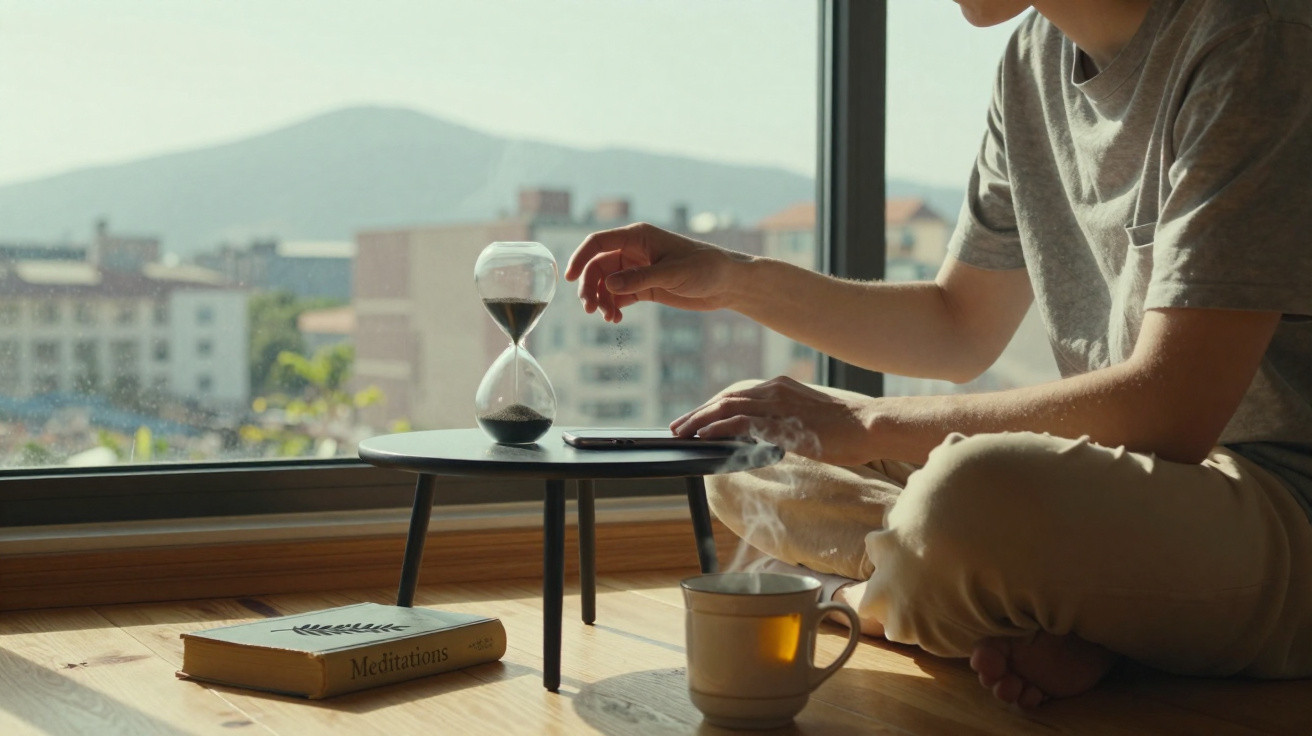
Many people spend their days split between regretting past events and imagining future desires, allowing the only tangible reality to slip away. Stoic philosophy teaches that the present moment is humanity’s true possession, to be lived with complete awareness.
Why is the present the only moment that truly belongs to us?
The human mind often wanders into distant memories or uncertain expectations about tomorrow. Seneca’s thinking stresses that the current time is the only space in which action acquires meaning and existence.
Once this truth is understood, people stop delaying choices that matter to everyday life. Attentive living requires freeing the mind from daily distractions, so that attention can be directed towards decisions that reshape the everyday.
Why did Seneca say that time is not short, but wasted?
The Roman philosopher explained that humanity’s real problem is not a shortage of hours, but the way they are used… Read more
How do daily distractions consume our time without us noticing?
The daily loss of hours seldom happens noisily; instead, it emerges through minor, automatic and unnecessary habits. Without a clear purpose, superficial commitments drain the vital energy that should be devoted to genuine personal growth.
Seneca warned that people usually guard their material possessions with great care, yet readily hand over their time to others. This impulsive generosity with the calendar creates a false impression of being busy, without producing anything relevant or lasting.
Below is a video from the Nova Acrópole Brasil Sul YouTube channel that explores the issues discussed in this subject in greater depth:
What is the Stoic difference between merely existing and living fully?
Stoicism draws a clear distinction between simple biological survival and a genuinely conscious life. The passing of years does not ensure inner maturity when time is accumulated without reflection on the purpose of one’s own path.
To live fully within an ordinary routine, it is essential to guide each day by meaningful values and real obligations. Those who manage daily life resolutely lessen needless worries, finding in the present moment a steady peace and a more profound meaning.
Essential Kit for Conscious Time
Pillars for Valuing the Present
Here are the fundamental steps for living in the present according to Stoicism:
- Eliminate futile tasks that consume daily attention;
- Give priority to goals that align with personal values;
- Practise continual reflection on human finitude.
How can attention be cultivated in the present through Stoic thought?
The daily practice of attention demands consistent training to set aside unrealistic expectations and unfounded concerns. When the mind remains focused on the tasks at hand, anxiety decreases, making it possible to attain a high degree of clarity and balance.
Recognising, too, that the past cannot be changed brings immense relief to the mind. Focusing energy on immediate actions strengthens personal self-mastery, making the daily journey more productive and genuinely serene.
Below are key actions for putting this wisdom into practice in your daily routine:
- Avoid postponing important decisions in everyday life;
- Reduce automatic distractions that scatter mental attention;
- Focus efforts solely on what is under direct control.
Why does facing the brevity of life transform our routine?
Awareness of time’s limits should not cause anguish; rather, it should inspire a profound renewal in our choices. Facing finitude encourages us to value every moment, enabling the creation of a life path marked by respect for our own priorities.
In this way, Stoic teaching shows that true freedom arises from the conscious management of the hours available. By accepting responsibility for the present, each person turns their existence into a continual exercise in wisdom and fulfilment.




Comments
No comments yet. Be the first to comment!
Leave a Comment