
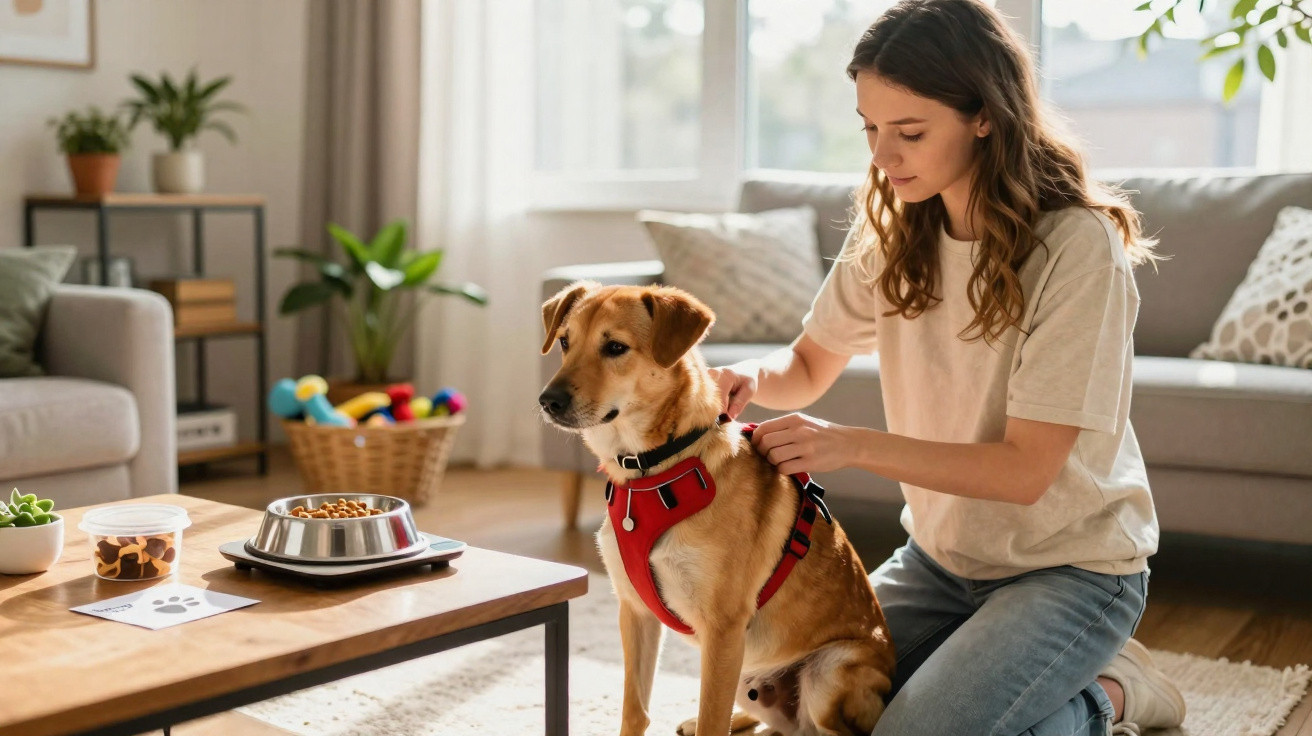
What a dog is fed, the way it is exercised and where household cleaning products are kept can all subtly reduce or increase its lifespan, vets say. Encouragingly, the most meaningful changes are generally modest routines rather than extreme interventions.
Everyday lifestyle choices that quietly protect your dog
Dogs today commonly live longer than they once did, yet they are also exposed to more hazards indoors, more calorie-rich diets and frequent boredom. Veterinarians in Europe and North America repeatedly report the same pattern: dogs that remain healthy as they age tend to have nutritious food, hygienic living conditions, regular activity and routine veterinary care.
Small, consistent habits protect a dog’s health far more than occasional heroic efforts or one big annual “check‑up day”.
Balanced food, measured portions, no random leftovers
For most dogs, their earliest daily health choice is made at the food bowl. Feeding that suits their age, size and activity level can reduce the likelihood of obesity, digestive problems and even joint conditions. Vets now encounter excess weight in pets almost as often as skin complaints.
The amount fed is as important as the food itself. Kibble and wet-food packaging offers an initial guide, but owners should alter servings according to body condition rather than relying solely on the number on the scales. You should be able to feel the ribs beneath a light covering of fat, without having to search for them.
- Measure servings with a kitchen scale or measuring cup.
- Review the amount after sterilisation, weight increase or reduced activity.
- Introduce a new food gradually over 7–10 days to prevent digestive upset.
Leftovers from the kitchen can seem affectionate, but they may add salt, fat and concealed toxins that a dog’s body cannot handle. Even small quantities of chocolate, onions, garlic, grapes, raisins, alcohol and sweeteners with xylitol can cause an emergency.
A dog that gets “just a little bit of everything” from the table often ends up with a lot more vets’ bills and extra kilos.
A clean, simple home routine
A dog’s health is shaped not only by its bowl, but also by the places in which it eats, rests and plays. Unwashed food bowls harbour bacteria, wet bedding can aggravate the skin, and poorly ventilated rooms hold on to odours and sometimes allergens.
Vets highlight several straightforward routines that many homes still overlook:
- Wash food and water bowls every day using hot water.
- Wash or replace bedding at least weekly.
- Brush the coat several times weekly to identify lumps, wounds or parasites.
- Examine ears and paws while grooming.
Dental problems can be an early sign of neglected care. Plenty of adult dogs have tartar, gum disease or unpleasant breath well before owners recognise that they are in pain. Dental chew toys, brushing with toothpaste safe for dogs and professional cleaning where recommended may avoid later extractions.
Movement every day, not just weekend marathons
Inactive dogs can develop stiff joints, gain weight, become frustrated and show behaviour problems associated with stress or boredom. Small dogs and short-nosed breeds also require walks every day; remaining on the sofa indoors does not meet the natural needs of any dog.
Rather than one lengthy Sunday trip around the block, vets and behaviourists increasingly advise several shorter, more varied outings. Opportunities to sniff, investigate and play training games are just as valuable as the distance covered.
| Dog profile | Typical daily walk time* | Extra mental activity |
|---|---|---|
| Puppy (under 1 year) | Multiple short walks, 5–15 minutes each | Very gentle training, puzzle toys |
| Adult, active breed | 60–90 minutes split in 2–3 walks | Games of fetch, scent work, basic agility |
| Senior or health‑limited | 10–30 minutes at easy pace | Food puzzles, calm search games at home |
*Figures are general guidance; vets can adapt them for each dog.
Hidden home hazards that vets keep seeing
Numerous emergencies begin in areas that owners think of as harmless, including kitchens, bathrooms and laundry rooms. A medicine dropped on the floor, an uncovered bin or detergent left within reach can result in an overnight visit to an emergency clinic.
Unlimited access to risky rooms
Kitchens contain concentrated risks, from sharp knives and hot appliances to food waste and cleaning chemicals. Bathrooms and utility rooms are often full of bleach, detergents and cosmetics. If a dog can enter these spaces unsupervised, a brief moment of curiosity may cause poisoning or injury.
If a toddler should not reach it, a dog should not either. The same rule saves plenty of four‑legged lives.
Veterinarians recommend storing medicines and chemicals out of reach or in locked cupboards, using bins with secure lids and preventing entry to storage spaces when no one is supervising the dog. Where ingestion may have occurred, they urge owners to call first rather than try a home treatment, as making a dog vomit can increase the harm caused by some substances.
Table scraps as a daily habit
Giving table leftovers has consequences beyond additional calories. It can alter a dog’s relationship with meals and with people eating at the table. Many vets associate begging, guarding behaviour and food fixation with inconsistent handouts of human food.
They instead recommend dog-appropriate rewards that are included within the daily food allowance. For example, owners can reserve part of the kibble ration for training and games. This lets the dog receive attention without unnoticed increases in its waistline and cholesterol levels.
Underestimating boredom and social needs
Dogs that seldom go out may become restless, chew destructively or bark constantly. While these actions can disturb neighbours, they indicate that the dog’s needs are not being met. Gentle stimulation beyond their normal home environment benefits even older or timid dogs.
Owners with limited time can divide activity into brief sessions: a ten-minute sniffing walk before work, a fast evening game of “find the toy”, or basic obedience practice in the living room. Consistency is more useful than intensity.
Two health habits vets wish every owner had
Home care is most effective when it is supported by two broader essentials: consistent veterinary monitoring and secure walking equipment. Missing either one can mean that problems are found later, when the emotional and financial costs are greater.
Vet visits before something looks wrong
By the time obvious symptoms appear, many illnesses have already progressed. Heart problems, kidney disease, early arthritis and dental discomfort may remain hidden behind very slight changes for months. Yearly examinations, or appointments more often for senior dogs, can identify concerns sooner.
Dogs suffer quietly. A routine check can spot problems long before they shout through obvious pain or collapse.
Owners can assist by recording simple observations, including shifts in appetite, thirst, weight, energy, scratching and toilet habits. Photos or a short video showing unusual behaviour can provide veterinarians with useful additional evidence. These appointments also allow vaccinations, worming and parasite prevention to be reviewed, lowering the risk from fleas, ticks and the illnesses they transmit.
Harnesses instead of pressure on the throat
Walking equipment has greater importance than many owners realise. Tightening collars or collars positioned high on the neck may compress the trachea, put pressure on the spine or irritate the skin. This is especially relevant for pulling dogs and flat-faced breeds that are already susceptible to breathing difficulties.
A correctly fitted harness distributes pressure across the chest and shoulders, reducing strain if a dog pulls forward or suddenly stops. It is not a substitute for training, but it can make training more comfortable and safer.
- Select a harness that does not chafe beneath the armpits or around the neck.
- Make sure two fingers can fit between the straps and the fur.
- Refit it after changes to the coat or after weight loss/gain.
Many veterinary practices and trainers now provide brief fitting sessions, allowing owners to try different designs and understand how to avoid pressure or rubbing points.
Looking ahead: smarter routines, fewer emergencies
The veterinary warnings carry an optimistic point: realistic, low-tech habits can lessen most common health risks in the home. A dog given measured meals, clean drinking water, fresh bedding, daily walks and regular veterinary appointments has a stronger prospect of remaining active in later life.
Owners who prefer practical systems can create phone reminders for monthly parasite treatments, bedding washes and annual check-up bookings. Others maintain a basic record of weight, vaccinations, behaviour observations and every newly introduced food. If something does later go wrong, this information can often help reach a diagnosis more quickly.
In households with children, making care a shared responsibility can benefit everyone. Children can top up water bowls, mark walking times on a chart or take part in short training games. The dog receives more engagement, while children learn that affection involves responsibility as well as cuddles on the sofa.
Vets seldom expect owners to be perfect. Instead, they ask them to notice small repeated patterns: what the dog consumes, what it can access, how frequently it is active and how promptly someone responds when something seems unusual. Day after day, these quiet choices often determine whether a dog merely has a long life or truly has a good one.




Comments
No comments yet. Be the first to comment!
Leave a Comment