
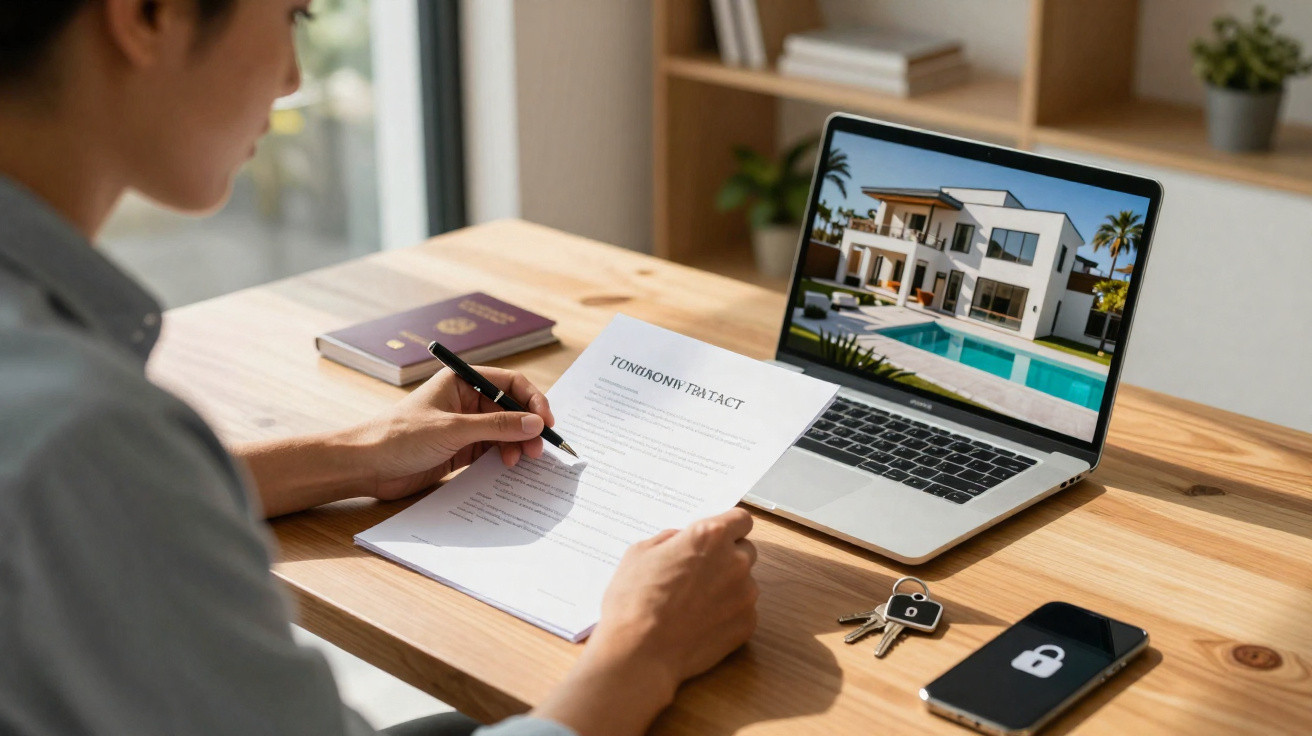
A residence valued at millions of Brazilian reais can reach a buyer before they have even visited the city where the property is located. Drone-produced videos, virtual tours, three-dimensional floor plans, social media and video-call appointments make it possible to explore different properties without leaving home.
Artificial intelligence has also begun to support this search. Platforms can match preferences relating to location, floor area, architecture, security and leisure facilities to present properties that align with the profile provided by the user. Technology narrows down unsuitable options, but it does not confirm whether a property is compliant or whether all the information advertised reflects reality.
A survey carried out by Offerwise on behalf of Loft, involving 1,400 Brazilians, found that 33% use social media when looking for properties to buy. Among respondents interested in purchasing, 43% follow tours and videos, while 32% say they would feel comfortable starting a negotiation through the platforms themselves.
According to Gabriela Pereira, a solicitor specialising in high-end property law, digitalisation has made the initial stage quicker without reducing the complexity of a purchase. “Technology makes it possible to compare properties and organise information before a viewing. However, the higher the value involved, the greater the care needed to check the property, the documents and the legal conditions of the transaction,” she explains.
Below are 7 important precautions to take before proceeding with the purchase of a high-end property found online.
1. Confirm who is advertising the property
The first step is to establish the advertiser’s identity and their connection to the property. The buyer needs to know whether they are dealing directly with the owner, an estate agent or another representative authorised to handle the transaction.
Well-produced profiles, a large following and sophisticated images do not prove that someone has permission to market the asset. Before sending documents or making payments, it is important to verify the parties’ details and the source of the information being presented.
2. Do not decide based on images alone
Edited photographs, lenses that make rooms appear larger, carefully planned lighting and virtual staging tools can create an impression that differs from reality. Digital tours are useful for shortlisting options, but they do not necessarily reveal structural issues, noise, odours, natural light, the condition of installations or features of the surrounding area.
An in-person viewing and technical inspection help assess maintenance, finishes, electrical and plumbing systems, damp and other factors that may affect the cost and security of the purchase. If the prospective buyer is in another state or country, they may request an independent assessment before moving forward.
3. Compare the marketing material with the documents
For properties still under construction, floor plans, artist’s impressions, the specification document and promotional materials must be reviewed together. Buyers need to understand which items will actually be delivered, which images are merely illustrative, and how the development’s materials, areas and equipment are described.
For pre-owned properties, renovations, extensions, swimming pools, lifts and other alterations should be checked against the existing records and approvals. An improvement visible on social media may not have been regularised with the relevant authorities.
4. Review the property’s legal status
A digital presentation does not prove that an asset is compliant. The review may include an up-to-date property registration, ownership, charges, restrictions on disposal, tax liabilities, condominium status and any restrictions affecting the transaction.
It is also important to check whether the description of the property in the registration matches what physically exists. Differences in floor area, unregistered construction and unauthorised alterations can create difficulties in the future.
“A sophisticated presentation generates interest, but it does not replace legal due diligence. The buyer needs to know who owns the property, which restrictions apply to it and whether the advertised configuration matches the records,” says Gabriela Pereira.
5. Read the offer before confirming it through the platform
Conversations in apps, electronic offers and remotely signed documents create records of the conditions discussed. For this reason, the buyer must check the amounts, deadlines, payment method, handover of the keys, whether a deposit is required, circumstances for withdrawal and each party’s responsibilities.
The speed of digital service should not result in impulsive confirmations. Before accepting an offer or transferring any amount, the buyer must understand which obligations they are taking on and in which situations the money may or may not be refunded.
6. Understand when ownership of the property is transferred
Confirming a purchase by message, signing an offer or paying a deposit does not, on its own, transfer ownership. In Brazil, acquiring a property depends on the appropriate legal instrument and registration of the title at the Real Estate Registry Office. Until that registration has been completed, the seller remains legally regarded as the owner. This stage should not be confused with the commercial negotiation conducted through the platforms.
7. Protect information about the buyer and the property
High-end negotiations involve asset information, personal documents and details about the routines of those involved. Buyers should be careful when sending financial evidence, identification documents and other data through messages or profiles whose authenticity has not yet been confirmed.
The exposure of the property also requires attention. Frontages, floor plans, the exact location and details of security systems may put residents and owners at risk. For this reason, restricted catalogues and prior screening of prospective buyers are common in this segment.
Social media, virtual tours and artificial intelligence can make the search more efficient, particularly when the buyer is far away. Technology helps users find and compare properties, but the security of the purchase still depends on a physical inspection, documentary due diligence and the correct formalisation of the transaction.
By Eluan Carlos H. Bürger





Comments
No comments yet. Be the first to comment!
Leave a Comment