
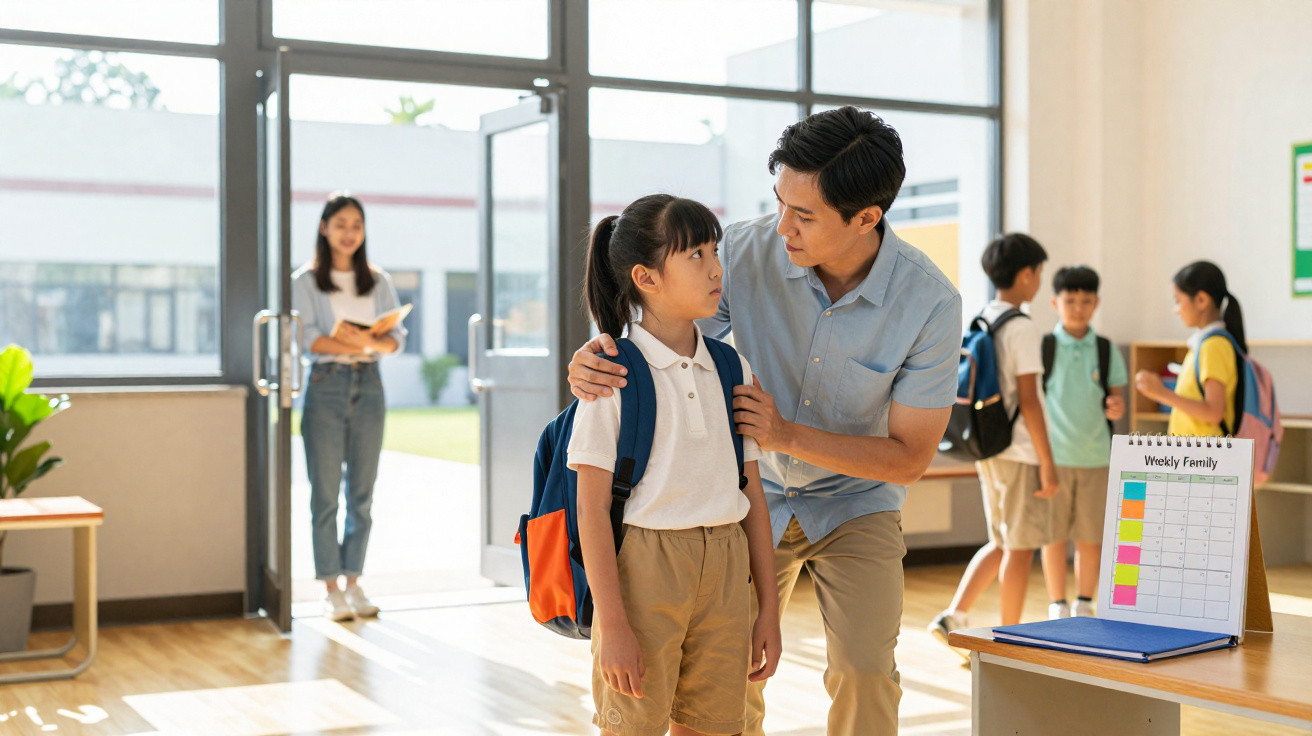
Changing schools midway through the academic year can lead to stress, lower academic performance and worries about whether new classmates will be welcoming. According to Meire Nocito, a Master’s graduate in Educational Psychology and institutional education director at Colégio Visconde de Porto Seguro, certain family actions can make this transition gentler and more secure.
Read the specialist’s guidance below.
1. Make emotional support a priority
Acknowledging a child’s or teenager’s feelings and worries about joining a new school is an important form of support. Meire Nocito says parents should not immediately try to “deny” the discomfort.
“It is normal to feel afraid or insecure when facing the unknown. Parents should practise active listening, taking into account the relevant issues their child raises during this transition, and use this opportunity for conversation to highlight the opportunities that usually come with this process of change,” she advises.
2. Pay attention to social adjustment
A sense of belonging at the new school deserves careful attention throughout the settling-in process. Stories about new friends, enjoyable activities and teachers seen as positive role models may signal that constructive connections are being formed.
“During the first few days of school, create relaxed family moments so that your child will naturally talk about the experiences they have had at school. Feeling safe is essential for learning to take place in the school environment. People need to feel socially secure in order to learn,” Meire Nocito stresses.
3. Build a partnership with the new school
It is important to align learning expectations for a pupil joining halfway through the academic year. An action plan based on the student’s individual needs and requirements can provide study guidance and help prevent gaps when learning new content.
“Arrange a conversation with the school’s teaching co-ordinator or educational guidance team to share your child’s academic challenges and devise an effective action plan for any possible learning gaps,” the specialist highlights.
4. Keep the home routine stable
A predictable home environment can provide a safe haven amid external changes. Maintaining routines, including sleep, mealtimes and extracurricular activities, helps give the child or young person comfort and security during the transition period.
5. Balance new and existing relationships
Encouraging new relationships while avoiding an abrupt break in contact with friends from the previous school can reduce feelings of loss. The recommendation is to arrange meetings and maintain contact with former classmates, while also encouraging new friends to spend time at home.
Meire Nocito believes it is not always possible to prevent children from experiencing difficult moments or changes during their school years. However, new choices can broaden their range of experiences and relationships, while parents’ presence and support are important in helping their children overcome challenges and recognise new opportunities for social-emotional and cognitive development.
By Isabella Kemen






Comments
No comments yet. Be the first to comment!
Leave a Comment