
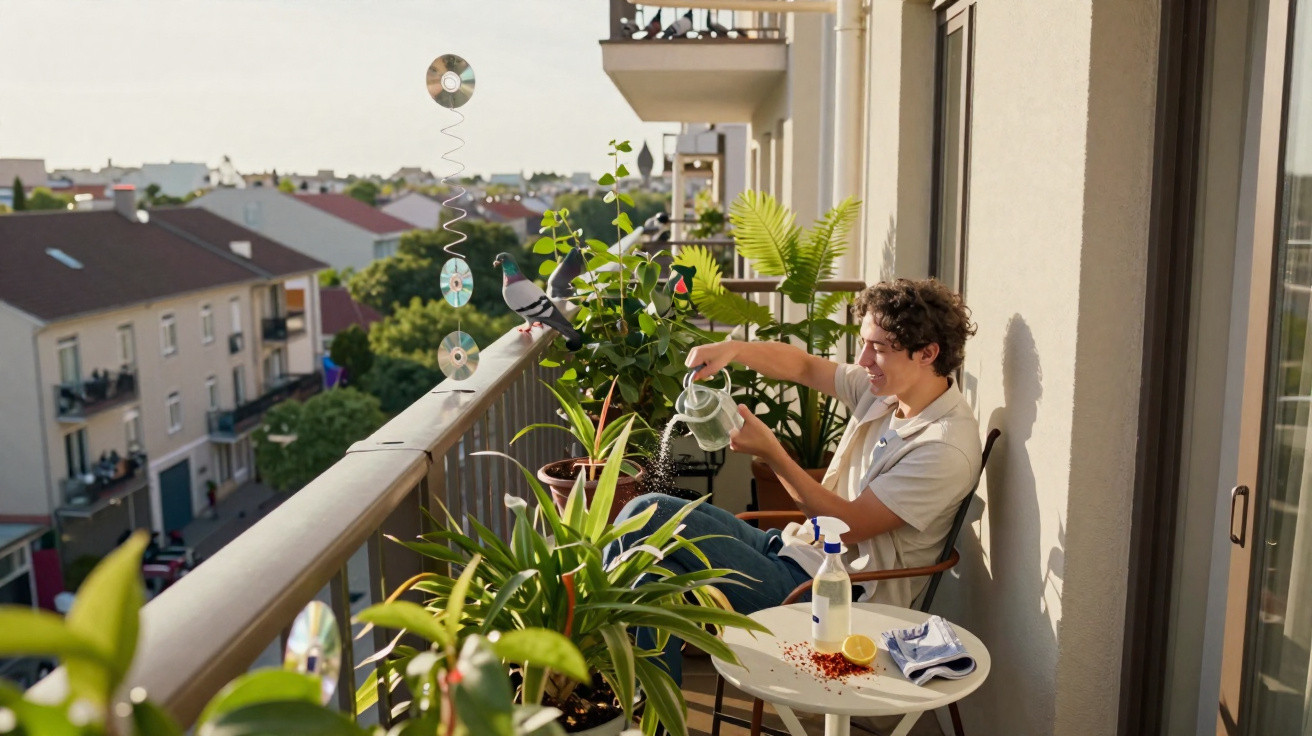
A straightforward trick can put an end to the pigeon drama.
Many city residents will recognise the problem: the balcony has barely been cleaned when pigeons land again, leave their corrosive droppings behind and turn a favourite outdoor spot into a hygiene hazard. One woman who had to clean her terrace every week found a simple but clever way to make the birds disappear for good - without violence or poison.
Why pigeons find your balcony so appealing
Before trying to drive the birds away, it helps to understand their logic. Pigeons are not “stupid city rats with wings”; they are remarkably adaptable. They deliberately look for places where three things are available:
- Easy-to-reach food: Breakfast crumbs, dog food, bin bags left open or leftover bird feed create an all-you-can-eat buffet for pigeons.
- Comfortable landing and perching spots: Window ledges, railings, wall projections and satellite dishes offer ideal resting places - often even with shelter overhead.
- Protected nesting areas: Gaps beneath roofs, spaces behind cladding or terrace corners can seem like safe nurseries for pigeon chicks.
“Anyone who wants to get rid of pigeons needs to make their balcony unattractive from the birds’ perspective - rather than ‘fight’ the animals.”
That was exactly the turning point for the notoriously dirty terrace: instead of merely cleaning it, its owner consistently changed the “rules of the game” on her outdoor space.
The first major step: cut off food sources completely
The most important measure sounds obvious, but everyday routines often get in the way. Any visible meal can attract a flock - and pigeons remember every source of food.
Do not leave a single crumb behind
- Wipe the table after every meal and put crumbs straight into the bin.
- Do not leave barbecue leftovers out; dispose of them immediately.
- Do not store pet food outdoors, and remove feeding bowls once pets have eaten.
- Keep bin bags sealed and do not leave open boxes or containers containing food waste.
Anyone who enjoys feeding tits, sparrows and robins should use dedicated feeders that larger birds struggle to access, such as tube feeders with small perching rings. This means less food ends up on the ground, so pigeons lose interest.
How a pigeon favourite became a no-go zone
At first, the terrace owner in the original case did nothing but clean - every week, and sometimes more often. The pigeons still returned. Only when she deliberately made the surfaces uncomfortable and uncertain did the birds stay away.
Uncomfortable surfaces: when perching becomes a nuisance
Pigeons dislike unstable, slippery and prickly surfaces. That is where this approach comes in:
- Anti-bird spikes on wall edges and railings prevent comfortable perching without causing injury.
- Thin, tensioned wires on parapets make landing feel insecure - the birds will usually move away at once.
- Smooth as glass: Perspex sheets on regular perching edges make surfaces slippery, so taking off and landing becomes difficult.
The woman combined spikes on the balcony railing with smooth covers over the pigeons’ preferred perches. Within a few days, the birds were visibly avoiding the terrace.
Smells that deter pigeons - including the vinegar trick
Pigeons rely heavily on their sense of smell. This can be used without resorting to harsh chemicals.
Vinegar, spices and plants as natural aids
Several household remedies are known to be avoided by pigeons. They work best when reapplied regularly:
- White vinegar spray: Fill a spray bottle with a mixture of roughly half water and half vinegar, then mist the usual landing areas. The strong smell noticeably bothers the birds.
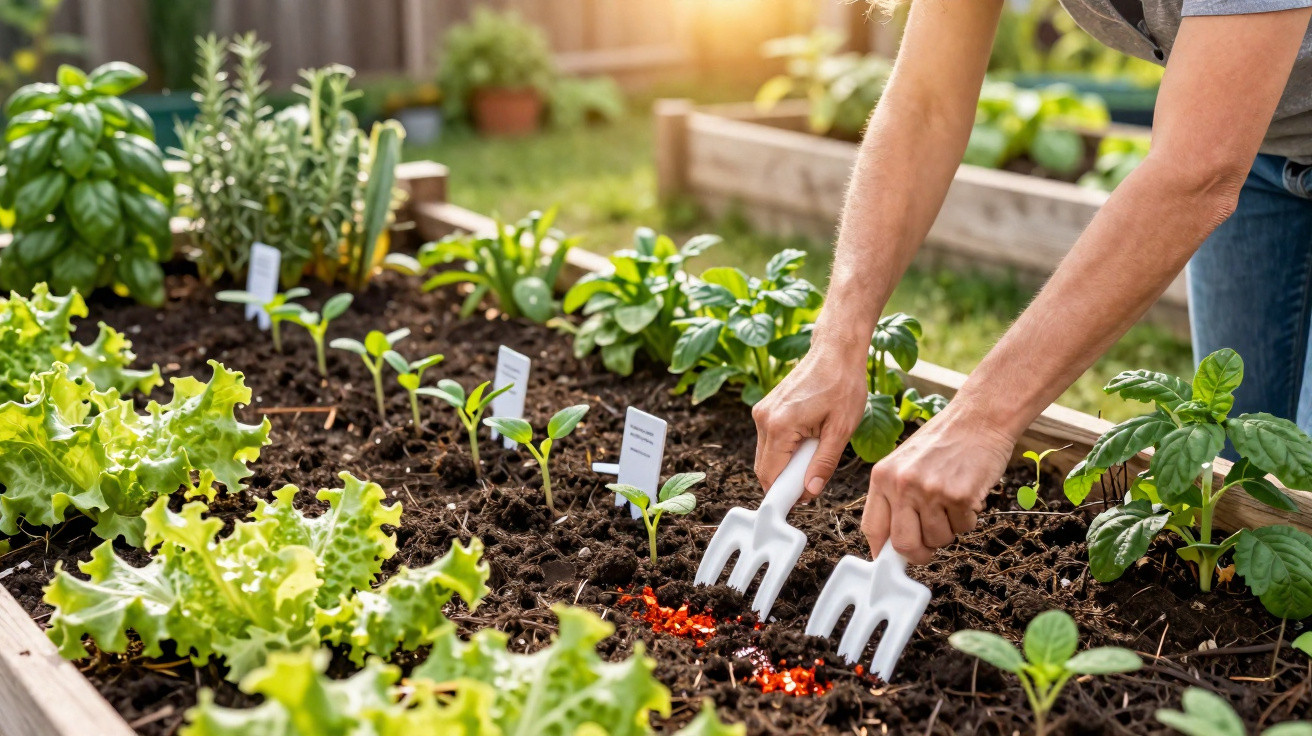
- Potent spices: Scatter ground pepper, curry powder or cinnamon on window ledges or in plant pots. Apply more after rain.
- Strongly scented plants: Herbs such as rosemary or mint, along with strongly scented geraniums, can keep pigeons away while also looking decorative.
“The key step on the problem terrace was a mix of vinegar spray and fragrant herbs - combined with uncomfortable landing surfaces.”
After a few weeks, the pigeons had removed the terrace from their territory altogether and found other places to go.
Shine and movement: pigeons do not like surprises
Pigeons are prey animals. Anything that produces unfamiliar flashes of light or sudden movement can make them uneasy.
Reflective objects and moving displays
- Hang old CDs or shiny ribbons from the balcony railing or plants. Their reflections can be confusing, particularly in sunlight.
- Secure brightly coloured pinwheels in plant pots. The continuous, unpredictable movement often causes pigeons to avoid the area.
Importantly, these effects must not become too repetitive. Moving or replacing the objects occasionally keeps the deterrent effective.
Technology and structural measures - when nothing else works
For persistent problems, such as on large roof terraces or in courtyards, household remedies are often insufficient. Technical solutions and structural alterations can then help.
Ultrasound, decoys and nets
- Ultrasonic devices emit sounds that people cannot hear but pigeons find disruptive. They are more suitable for larger areas, although they may also drive away other bird species.
- Bird-of-prey decoys or balloons with large “eye patterns” resemble natural predators. For lasting results, they should be moved from time to time.
- Pigeon nets reliably block access to entire spaces, including balconies and roof voids. Their appearance is a matter of taste, but they work extremely well in practical terms.
For inaccessible roofs or historic façades, it is worth contacting professionals. Specialist firms understand local regulations and fit protective systems without harming any animals.
Legal limits: what is allowed and what is not
Many frustrated people turn to drastic methods in anger. This is precisely where matters become sensitive, as pigeons, like other birds, are protected by animal welfare legislation.
- In many towns and cities, feeding pigeons is expressly prohibited. Breaches may result in fines.
- Traps, poison, adhesive pastes and other methods that cause injury are unacceptable and may be criminal offences.
- Anyone sealing nesting sites should make sure that no young birds are trapped inside.
The legally safe approach is to deter pigeons, deny access and remove food sources - not to torment or kill them.
How relentless cleaning becomes a relaxed favourite spot again
The constant cleaner in this example learned one thing: simply reacting with a bucket and scrubbing brush changes nothing for the birds. It was only a combination of measures that made her terrace pigeon-free - and kept it that way.
| Problem | Practical measure |
|---|---|
| Daily mess | Spikes or wires on favourite perching spots, vinegar spray after cleaning |
| Pigeons nesting in corners | Seal gaps and cavities using suitable mesh or panels |
| Large flock on the roof | Hire a specialist firm for nets or professional deterrent systems |
| Neighbours feed birds | Start a conversation; use guidance from the local authority or building rules |
Why pigeon droppings are so problematic
Many people underestimate how corrosive pigeon droppings can be. The waste is highly acidic and, over time, damages stone, concrete, metal and wood. Paint flakes away, railings rust more quickly and terrace slabs can become permanently discoloured. Disease-causing organisms can also be transmitted through droppings, which is particularly relevant where children or pets are concerned.
Anyone regularly handling large amounts of droppings should wear gloves, avoid raising dust wherever possible and dampen surfaces with water before scrubbing them. For heavily soiled or difficult-to-reach areas, some local authorities and specialist cleaning firms offer professional cleaning services.
Practical combination tips for everyday use
If you do not want to deploy the entire arsenal at once, start small and build up:
- As a foundation: never leave food scraps behind, and clean surfaces regularly but without obsessing over it.
- Next: deliberately make one or two landing spots uncomfortable, using spikes or Perspex, for example.
- In addition: use scent sources such as vinegar spray or herbs.
- If needed: add visual stimuli with reflective objects and pinwheels.
Anyone who stays consistent will quickly make their balcony very unappealing to pigeons. The birds will then naturally choose other places where they cause less disruption, and the time when the terrace had to be scrubbed every week will remain an unpleasant memory rather than an ongoing reality.
Comments
No comments yet. Be the first to comment!
Leave a Comment