
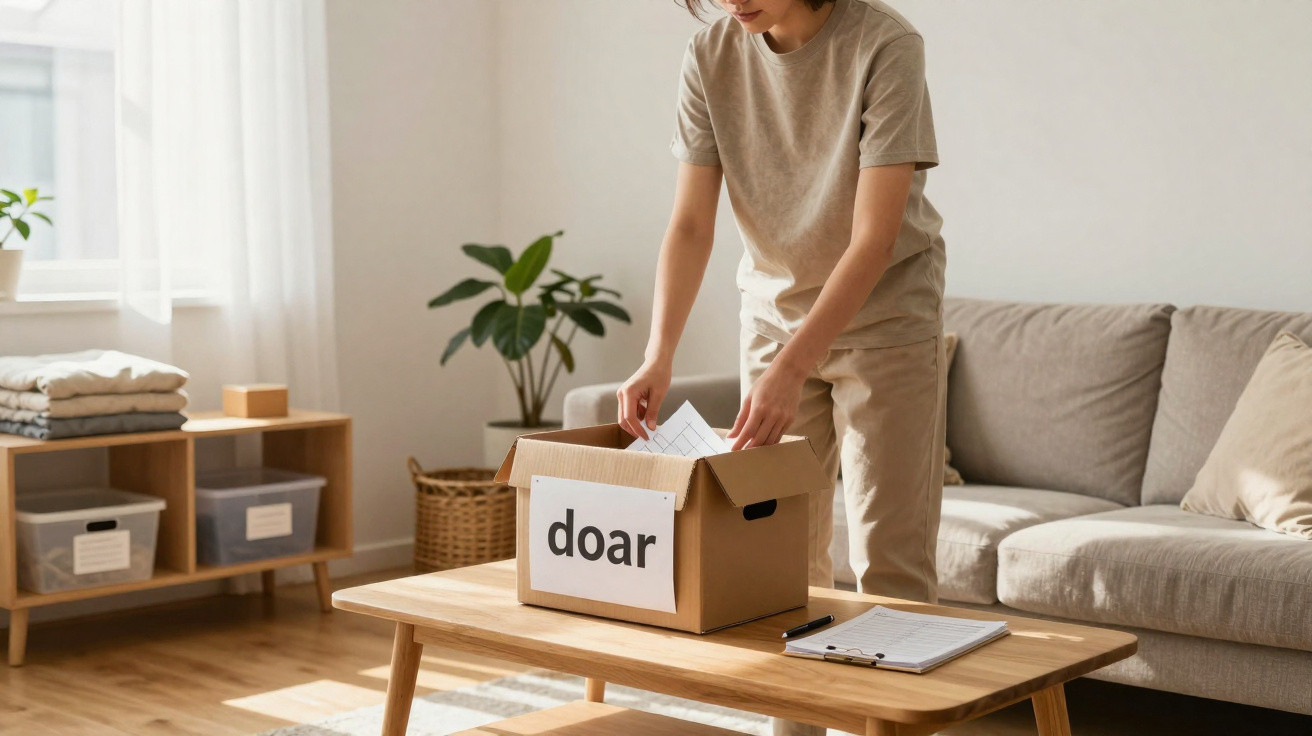
Keeping a home organised can feel difficult as possessions build up over time. Gifts, impulse purchases, keepsakes and items that are seldom used gradually take up room and make cleaning more time-consuming. According to organisation experts, reducing the number of belongings is one of the most effective ways to create more practical living spaces, ease stress and simplify everyday life.
What does minimising your home mean, and why does it improve daily life?
Minimising your home does not mean living with as little as possible or giving up everything you enjoy. Instead, it involves keeping only the possessions that genuinely suit your everyday routine and removing excess items that take up space and make organisation harder.
Organisation experts say that rooms with fewer possessions are easier to clean, need less upkeep and can also reduce the feeling of mental overload. With fewer things to sort out each day, you have more time to enjoy your home and do other activities.
Which habits can help you minimise your home gradually?
Rather than attempting to organise the entire house in one go, one recommendation is to hold short organising sessions regularly. Setting aside around 20 to 30 minutes to go through a cupboard, drawer or shelf is usually enough to make steady progress without becoming tiring.
Another important habit is to consider new items before bringing them home. Deciding whether something will genuinely be useful prevents unnecessary build-up and reduces future organising tasks.
- Set aside a small area to organise every week
- Donate or dispose of items that are no longer used
- Avoid impulse purchases
- Turn down freebies and items with no practical use
- Give every object in the home a designated place
How can you stop new possessions from filling every space again?
Experts explain that minimising is not only about getting rid of belongings; it also requires controlling what comes into the home. Gifts, special offers and keepsakes may seem harmless individually, but they take up space when they accumulate over the months.
Another effective approach is to choose experiences over material possessions whenever possible. For gift lists, for instance, it can be worth suggesting event tickets, special meals or other occasions that do not create more items to store.
- Think before making every purchase
- Choose experience-based gifts
- Avoid keeping objects “for one day”
- Review cupboards regularly
- Keep a box for future donations
How can you make organisation a lasting habit?
Creating a more organised home relies far more on consistency than on major cleaning sessions. When small reviews become part of your routine, clutter no longer builds up and each room stays functional for longer.
It is also important to remember that minimising is a gradual process. There is no need to empty every room in a single day. Small changes repeated often generally deliver more lasting and less stressful results.
Comments
No comments yet. Be the first to comment!
Leave a Comment