
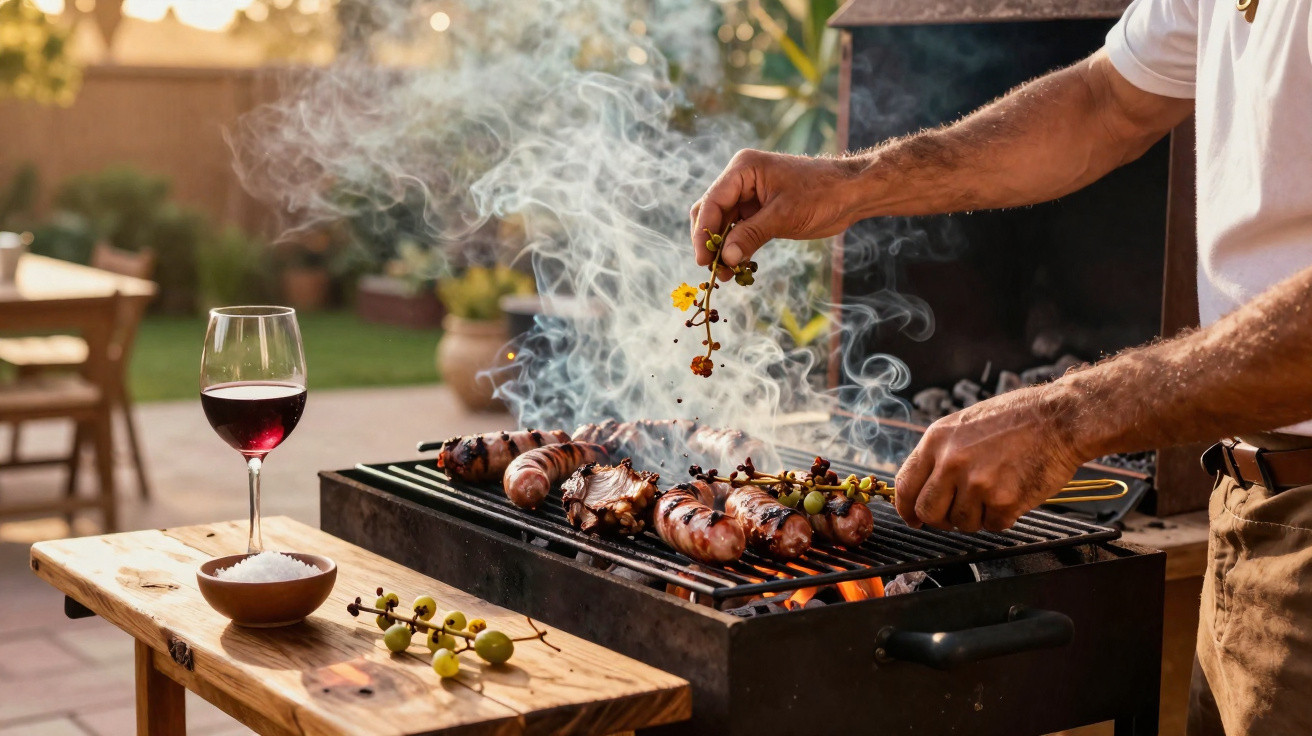
A weekend barbecue takes on a special character when traditional secrets are used on the garden grill. Placing vine branches on the coals completely changes the aroma of grilled meat, creating a unique and highly flavoursome dining experience for guests.
How does the technique of burning vine branches on the barbecue work?
This age-old approach involves placing selected pieces of vine wood directly onto the charcoal or glowing embers. Intense heat activates the wood's compounds, releasing aromatic smoke that gently seasons and envelops grilled food.
Many traditional grill masters value the method because it recreates the rustic smoking techniques once used at campsites. Controlled heat carries woody, fruity notes into beef or pork cuts, without requiring expensive equipment, resulting in an entirely handcrafted, gourmet-style barbecue.
The main steps for carrying out the process correctly require the following care:
- Initial preparation: Make sure the coals are well established and stable before adding the wood.
- Careful selection: Use clean branches that are free from any chemical residue to protect your health.
- Perfect timing: Add the vine cuttings when the meat starts to brown on the barbecue grill.
- Smoke control: Avoid excessive flames by damping down the fire if the branches begin burning too quickly.
- Slow absorption: Keep the cuts positioned centrally so that the smoky fragrance can penetrate deep into the fibres of the food.
When is the ideal time to use this barbecue method?
The right moment to introduce the branches is when the bed of embers is fully stable and flame-free. Adding the wood too early causes it to burn too quickly, wasting its aromatic potential before the meat receives the heat needed to sear properly.
It is also advisable to add further pieces gradually while thicker cuts cook. This continuous addition provides a steady flow of smoke, avoids excessive spikes in heat and keeps the temperature balanced, producing food with preserved juiciness and an irresistible smoky flavour.
Below is a video from the Etxezarreta YouTube channel, which clearly demonstrates how to apply this traditional technique to hot coals:
What are the real aromatic benefits for grilled food?
Burning these special branches releases essential oils that penetrate deeply into the surface of food. The process enhances the sensory profile of meat and vegetables, bringing elegant smoky notes that differ from standard charcoal and enriching the dining experience with refined quality.
Natural smoking
The secret of great grill masters
The smoke produced by vine cuttings gently surrounds the food, creating a delicious aromatic crust on the outside without drying out the centre of grilled cuts.
This light smoking technique enhances both premium meat and a range of vegetables on the grill, making it an excellent way to bring something new to family weekend barbecues.
Grilled cheeses and vegetables also absorb these aromatic nuances very easily, gaining surprising flavour complexity. This versatility makes it possible to create varied menu combinations that appeal to different tastes, turning simple get-togethers into memorable, refined feasts.
The main benefits noticed by grill masters who adopt this practice include:
- A sophisticated, distinctive aroma in the food prepared.
- Natural smoking with no harmful chemical additives.
- Versatility for pairing with red meat and cheeses.
Why does choosing the right type of wood make all the difference?
The expert points out that very thin branches burn far too quickly and do not create consistent embers for longer cooking. Using fine twigs disappoints the grill master because they disappear rapidly, undesirably compromising the steady heat of the barbecue.
The best choice is the thicker trunks of the vine, which provide long-lasting, high-quality embers. This dense wood maintains the temperature for extended periods and continuously releases fragrant smoke, ensuring grilled meat develops an exceptionally flavoursome outer crust.
Selecting the proper firewood brings direct advantages to your recipe:
- Produces reliable, long-lasting embers.
- Releases aromatic smoke continuously without heat spikes.
- Saves material by preventing constant replacements during cooking.
How can you avoid common mistakes when using vine branches on coals?
One common mistake among novice grill masters is placing damp or green wood directly onto the flames. This creates dark, acrid smoke that harms the flavour of the food and makes temperature control more difficult, ruining the entire family barbecue plan.
Another oversight is using chemical firelighters or artificial lighting blocks close to the wood. These products leave toxic residues on the branches, changing the vine's natural fragrance and contaminating the meat with artificial odours, removing the genuinely homemade character of the recipe.
Read also: Throwing bay leaves onto barbecue coals has a purpose that many people never imagine






Comments
No comments yet. Be the first to comment!
Leave a Comment