
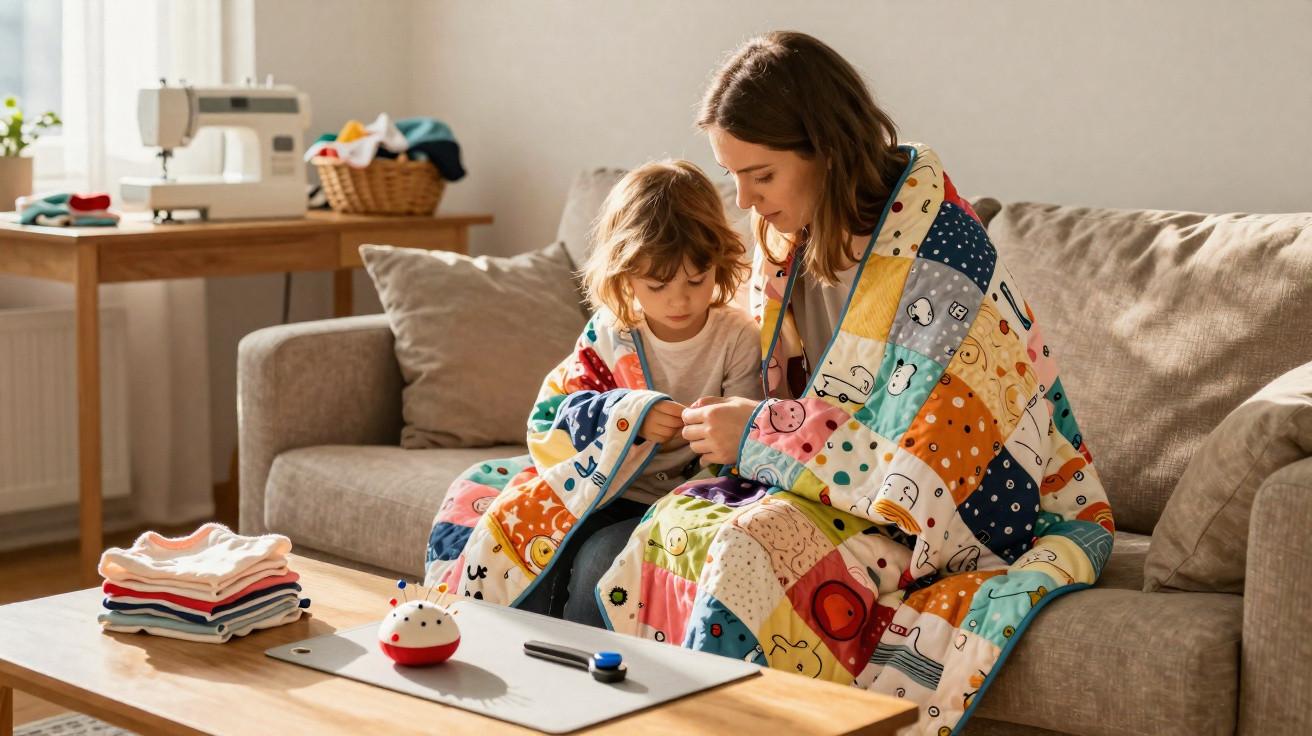
With one simple idea, they can become a visible treasure in the living room.
In many households, boxes of baby clothes sit in the loft or cellar: too small to wear, yet far too precious to throw away. Rather than leaving them to age in storage, they can be stitched into a piece of family history – a memory blanket that is used every day while still holding enormous emotional value.
Why baby bodysuits are too precious to leave in a box
The first months with a baby pass in a blur, along with mountains of washing. During the first months of life, a child needs an average of five to seven bodysuits a day. Before long, wardrobes are full of tiny garments that recall the first nights as a family of three, the first visit to the grandparents or a first Christmas.
Many parents pack these memories away in boxes. Three boxes containing sizes from birth to the first birthday are not unusual. They end up in the loft, the cellar or at the back of a wardrobe. Nobody wants to give them away, but they are no longer actually used either.
“These clothes may be worth almost nothing at a car boot sale – but they are priceless to the heart.”
This is exactly where the idea of turning bodysuits into a memory blanket, a kind of “memory quilt”, comes in. The clothing no longer disappears into a box; instead, it returns to the heart of family life: on the sofa, by the cot or in a cosy corner.
The idea behind a memory blanket made from baby clothes
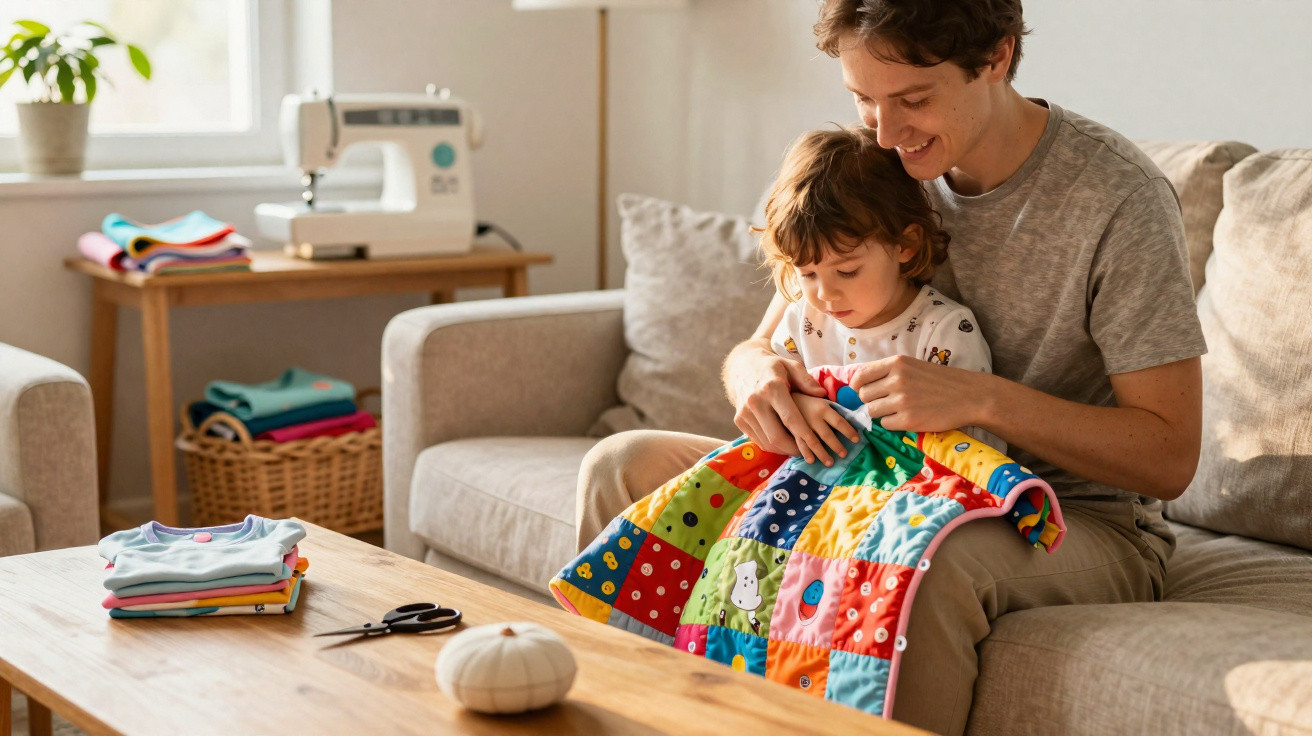
Rather than keeping dozens of individual garments, the blanket brings all those small stories together in one tangible item. Every square represents a moment: the outfit worn home from hospital, the bodysuit from a first birthday, or the sleepsuit given by a godmother.
For many families, it becomes a fabric scrapbook with a permanent place beside the photo album and birth certificate. Spread out the blanket and it can be “read” like a book, square by square. As they grow older, children enjoy running their hands over their own baby clothes and hearing the stories connected to them.
- Emotional value: Memories stay visible and within reach.
- Space-saving: Several boxes become one textile piece.
- Sustainability: Clothes are reused instead of turning yellow in storage.
- Ritual: Evenings on the sofa become a small journey into the past.
How a memory throw from baby bodysuits works
Choosing the right garments
For a standard-sized blanket, you will need around 25 to 30 items. These can be bodysuits, pyjamas, tiny T-shirts or trousers. The story behind each piece matters more than how it looks:
- the first outfit after birth
- the bodysuit from the first photograph with the grandparents
- favourite items that were worn constantly
- clothing with distinctive prints or slogans
- gifts from people especially close to the child
If enough clothes have been saved, it is even possible to create a separate area of the blanket for each stage of life, such as “newborn days”, “first Christmas” and “crawling age”.
The jersey fabric pitfall: why stabilising matters
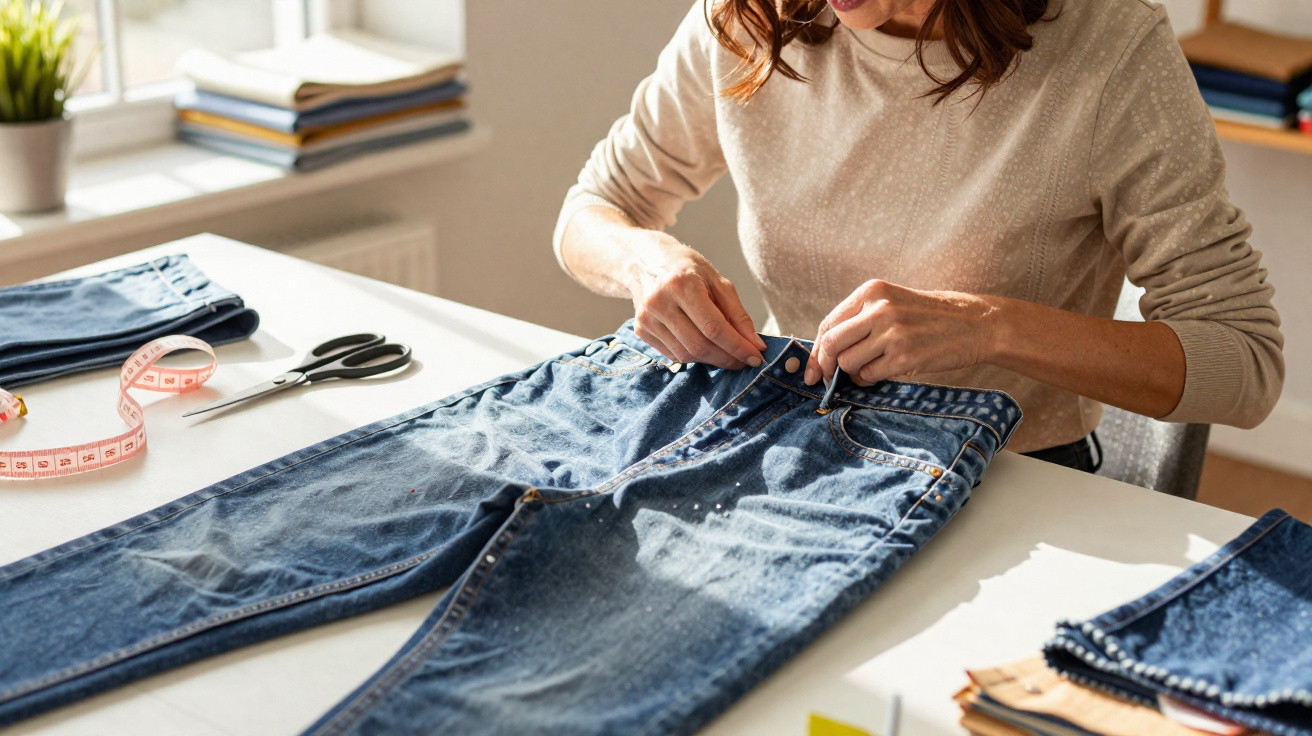
Baby clothes are generally made from jersey, a knitted and stretchy fabric. That is precisely what makes it difficult to sew. It stretches, distorts and ripples at the edges beneath the sewing machine. Without preparation, the blanket can quickly become uneven and bulge out of shape.
The essential step is therefore using an iron-on interfacing, pressed onto the reverse side of the fabric. This removes the jersey’s stretch, helps it hold its shape and makes it possible to cut it neatly.
“Anyone who fails to stabilise jersey will later be frustrated by ripples, distortion and misshapen corners.”
Step-by-step guide to making a memory blanket
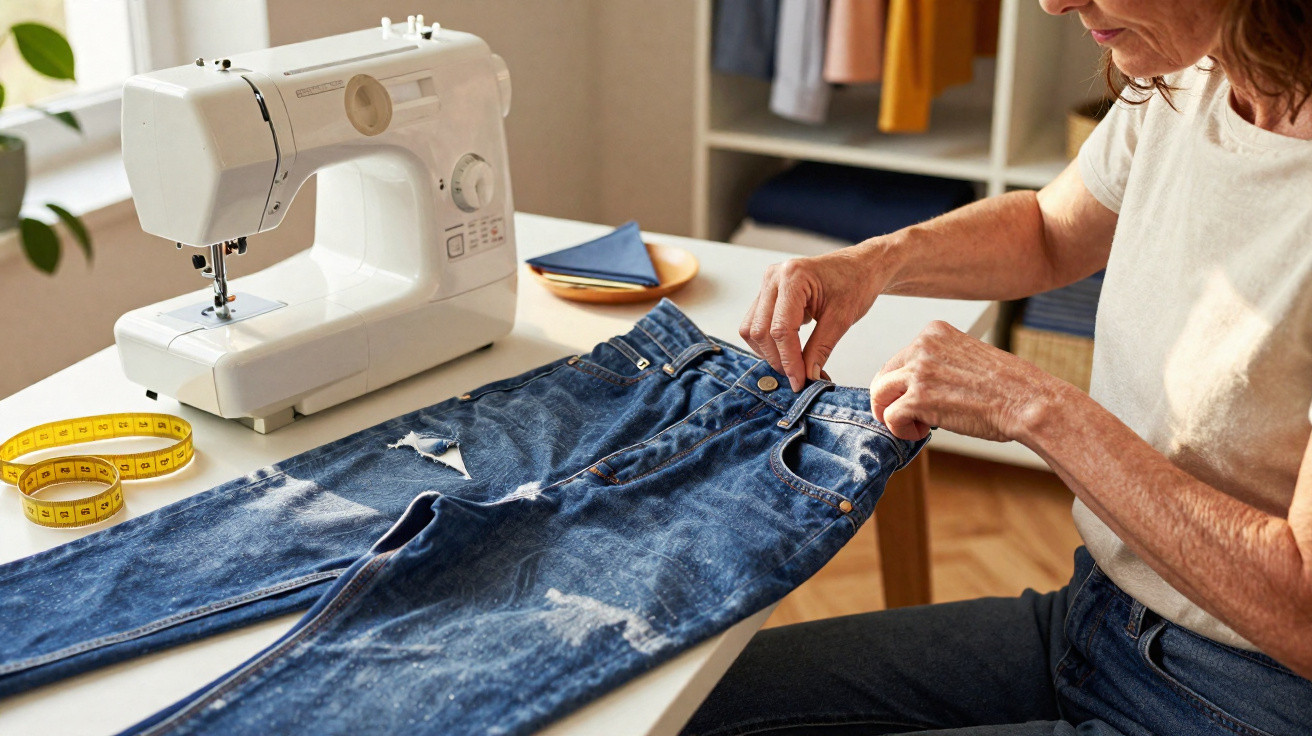
With some sewing experience and time, you can make this type of throw yourself. Here is a basic guide:
- Wash the clothing: Wash every item freshly and allow it to dry completely.
- Prepare the interfacing: Cut the iron-on interfacing to the required size.
- Stabilise the reverse sides: Iron the interfacing onto the wrong side of the bodysuits.
- Make a template: Cut a square of card measuring around 15 x 15 cm.
- Cut out the squares: Position the motifs with the template, then cut them out.
- Arrange the rows: Lay the squares on the floor until the overall design looks balanced.
- Sew them together: Stitch square to square, right sides together, using a seam allowance of around 1 cm.
- Attach the backing: Sew a soft fabric such as fleece or Minky onto the reverse.
- Finish the edges: Bind the blanket all the way around, for example with bias binding.
There is also a practical extra: the popper plackets from bodysuits do not have to go in the bin. They can be removed and sewn back onto the blanket, allowing it to be attached to a cot, pushchair or car seat.
Make it yourself or use a professional?
Not every family owns a sewing machine or wants to spend hours cutting and stitching. This is why specialist studios now focus specifically on these memory blankets. Parents send in a selection of clothing along with the desired size, and a finished throw arrives a few weeks later.
| Option | Requirements | Benefits | Challenges |
|---|---|---|---|
| DIY | Sewing machine, time, basic skills | Complete control, personal involvement with every item | Jersey can be difficult, takes considerable time |
| Professional studio | Budget, sorted clothing | Neat result, clear timetable | Waiting period, fewer spontaneous changes |
Many studios offer a range of formats, from a small cuddle cushion and a 75 x 75 cm piece to a large sofa blanket measuring 135 x 180 cm. The larger the blanket, the more clothing is required: around 20 items for a small throw, rising to 100 or more for large formats.
Waiting times are often between four and twelve weeks. Studios generally require washed, undamaged clothing and make clear how they cut it, which pieces they will use and which they will not. This reassures parents who are reluctant to have their small keepsakes cut up.
How the blanket fits into everyday life with a child
Once the memory blanket is finished, it soon becomes an everyday item: it sits on the sofa, comes along on car journeys or works as a picnic mat in the garden. Children often love snuggling into “their” past. In the evening, parents naturally reach for the blanket when telling stories about earlier days.
Many families create rituals around it. Before bedtime, Mum or Dad might point out a square: “Here, this was your first Christmas bodysuit; that was when you laughed out loud for the first time.” In this way, a very personal kind of family chronicle emerges – one that does not gather dust on a shelf, but grows and travels with the family.
Practical tips and possible pitfalls
There are a few points worth considering beforehand:
- Holes and stains: Small imperfections are part of the story; it is better to avoid large tears or conceal them creatively.
- Positioning motifs: Do not cut prints too close to the edge, or they may disappear into the seam.
- Washability: Plan the blanket so it can go into the washing machine without difficulty.
- The child’s temperament: Some children are deeply attached to particular items, so use these deliberately and prominently.
Anyone worried about parting with the original items can start by having a smaller piece made, such as a cushion or mini blanket. This gives you a sense of how the idea feels – and whether you may eventually want to try a larger blanket.
More keepsake ideas using baby clothes
The blanket is only one way to give baby clothes a continued life. Similar ideas include:
- soft toys made from old bodysuits
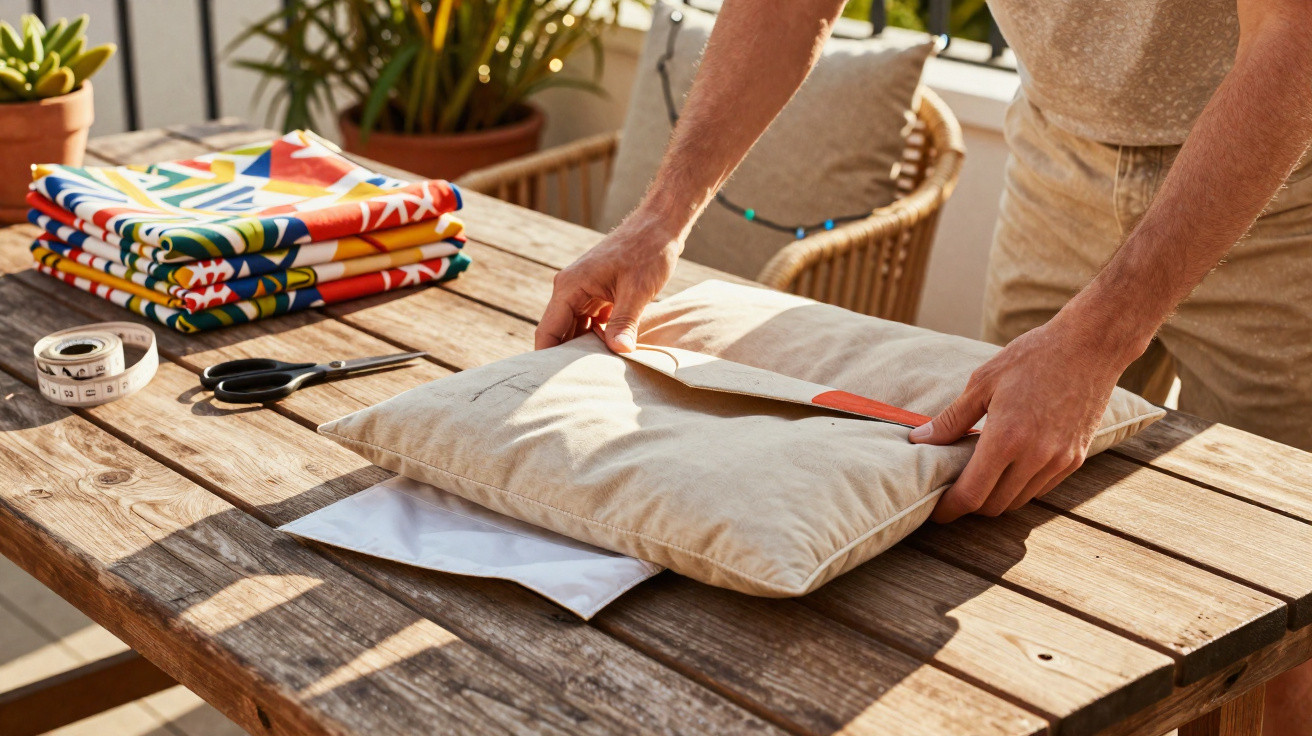
- cushion covers made from favourite T-shirts
- bunting made from sleeve or trouser-leg offcuts
- framed fabric pictures as wall decorations for a child’s bedroom
Those who are less confident with crafts can place small fabric cuttings in picture frames and label them with the date. This also keeps memories in view and requires only scissors and a little patience.
Ultimately, it is not about perfect seams, but about emotions. Whether sewn at home or made in a studio, bodysuits and tiny sleepsuits become a textile album filled with tears, laughter and plenty of “Do you remember?” – transforming a dusty box into a much-loved family heirloom.

Comments
No comments yet. Be the first to comment!
Leave a Comment