
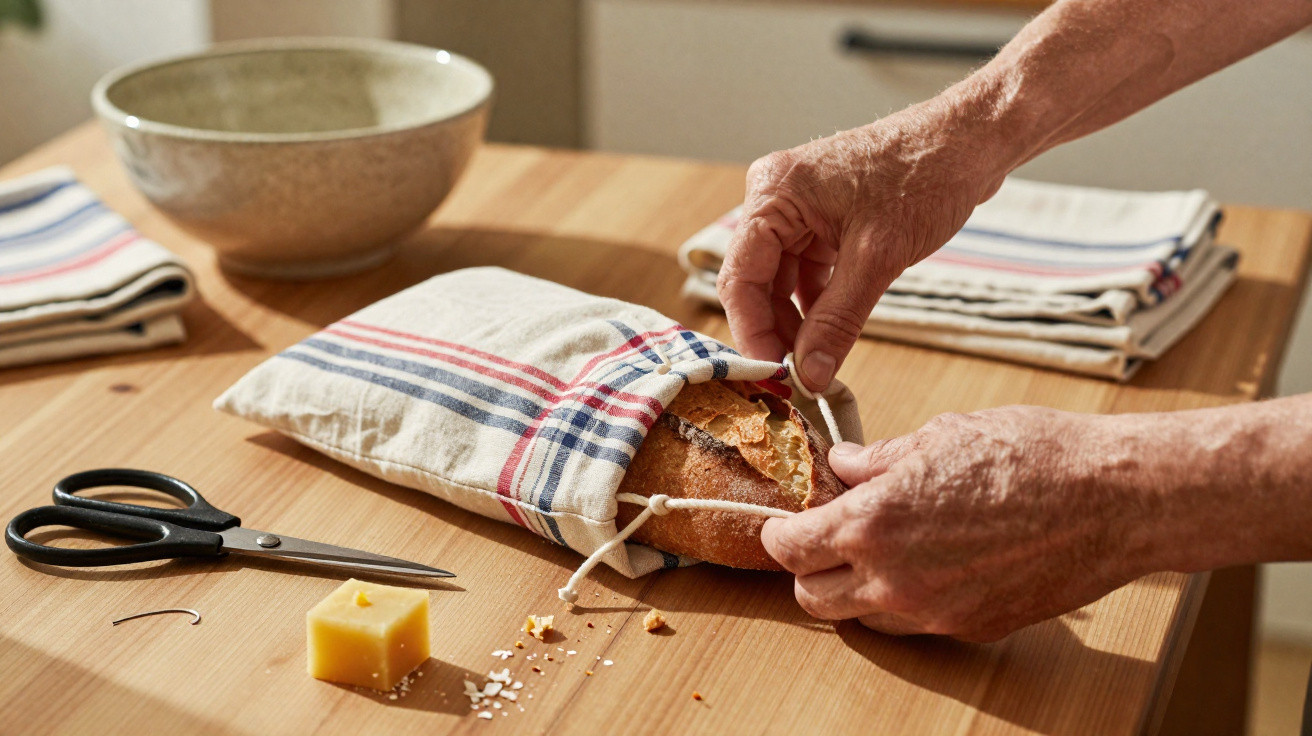
Exactly this is what turns them into a surprisingly modern favourite.
What was once simply a humble kitchen helper is now emerging as the star of a sustainable trend. Old striped tea towels can be transformed into reusable bread bags with just a few simple stitches – practical, stylish and highly suited to everyday life. Anyone who enjoys baking or visits the bakery each day can cut waste and costs while bringing a touch of nostalgia back into the kitchen.
Why old striped tea towels are worth a small fortune
The old towels tucked away in the kitchen cupboard may look somewhat worn, yet they are often superior to anything bought new today. Many of these classics are made from pure linen or so-called Métis, a traditional linen-and-cotton blend. This makes them hard-wearing, pleasantly textured and remarkably durable.
These materials are particularly well suited to reusable bags:
- They have already been softened through washing and feel pleasant to handle.
- Their fibres withstand plenty of use and are less likely to tear.
- Their characteristic coloured stripes instantly add country-kitchen charm.
- No new material needs to be produced – the fabric already exists.
“Anyone who continues to use old tea towels saves resources and brings a piece of traditional kitchen culture back into everyday life.”
Environmental bodies such as the French ADEME advocate precisely this approach: rather than throwing away textiles made from natural fibres, reuse them around the home. A bread bag made from tea towels already on hand is an ideal fit for a lower-waste lifestyle.
The trend: bread bags from old tea towels
They are appearing everywhere on Instagram, Pinterest and beyond: handmade bread bags sewn from Grandma’s striped tea towels. They replace paper and plastic packaging, look decorative hanging from a row of hooks, and work equally well in contemporary lofts and rustic country kitchens.
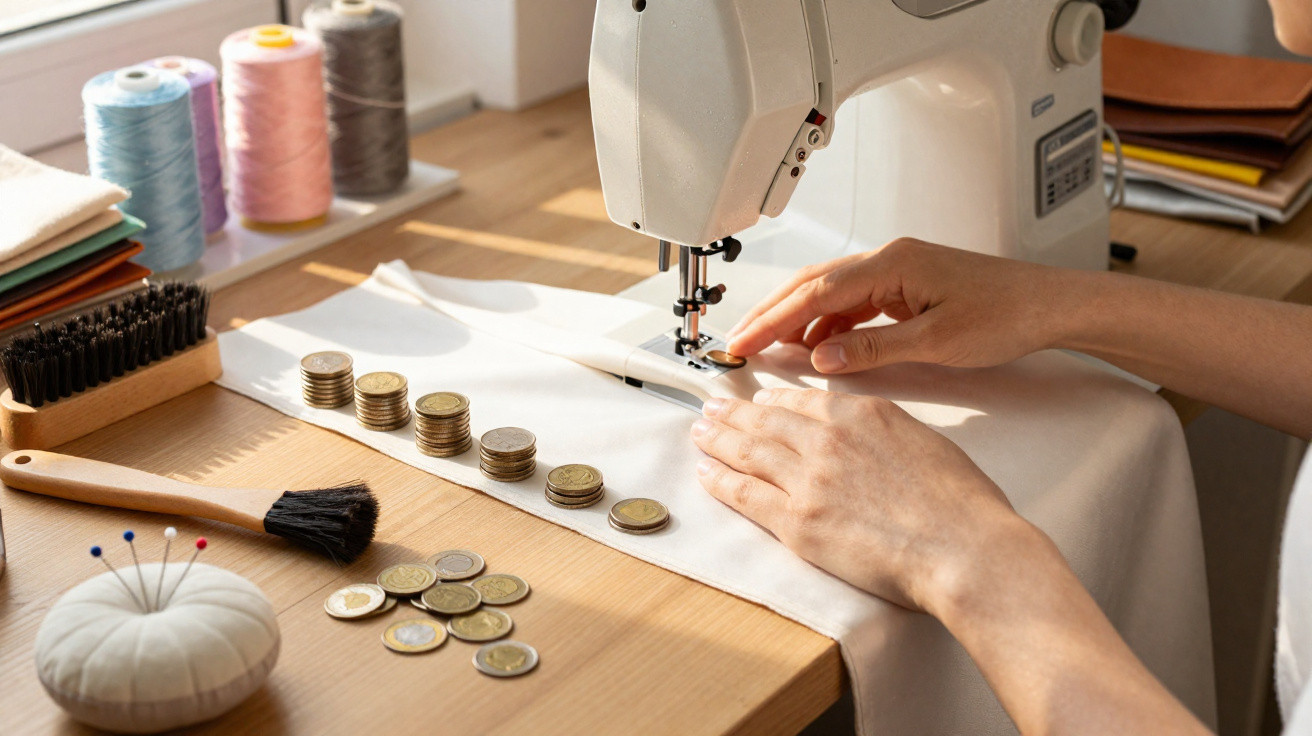
There is another benefit: making these bags yourself saves real money. Bread bags made from new handwoven linen can easily cost €15 to €20 each. When using tea towels you already own, only a few cents for thread and cord are needed.
How to make a bread bag in three easy steps
No professional sewing skills are required for a first bread bag. A straight seam, some patience and an iron are entirely sufficient.
Cutting carefully
Start by cutting away heavily worn or holed sections. Keep the sound striped parts of the fabric. Using at least one of the original hemmed edges is ideal, as it reduces the amount of work required.Creating durable seams
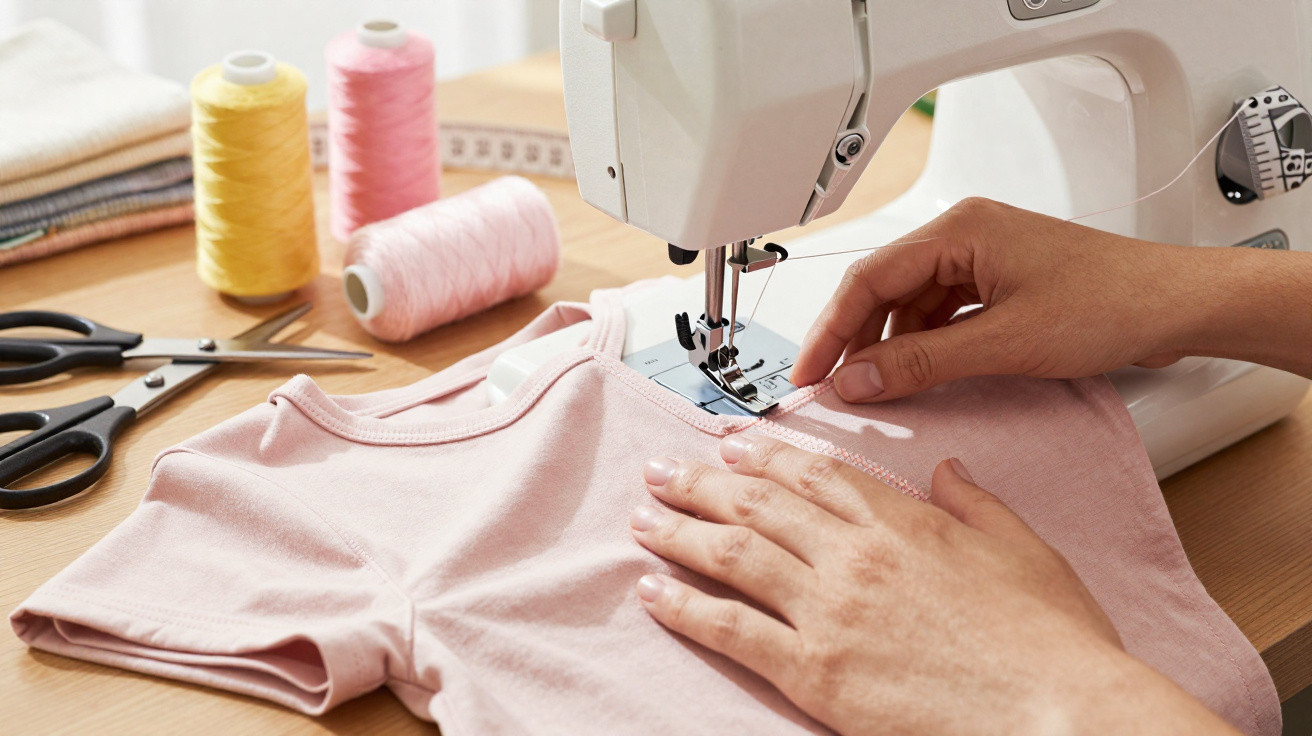
Fold the fabric lengthways with the right sides facing inwards. Sew together the long edge and the bottom edge. Turn the bag right-side out, then topstitch the same seam again close to the edge. This method, known as a French seam, encloses the raw edges and makes the bag particularly sturdy.Adding a practical fastening
At the top, fold a wide turn to the inside and stitch all the way around, leaving a small opening for a cord. Thread cotton cord through this channel seam to close the bag.
Anyone reluctant to use a sewing machine can also sew the seams by hand. It takes longer, but works surprisingly well, particularly with heavy linen fabrics.
Why linen keeps bread fresher for longer
Linen and Métis behave very differently from plastic or paper bags. The fabric is tightly woven while remaining breathable, creating a small natural microclimate inside the bread bag.
- The crust stays crisp because it is not “suffocated” by condensation.
- The crumb dries out more slowly, so the bread remains moist inside.
- Moisture can escape outwards, making mould growth more difficult.
There is a practical additional advantage: linen is not especially appealing to certain pantry pests. In a well-maintained kitchen, fabric bags therefore provide little incentive for insects.
Creating a “bee wrap” effect with beeswax
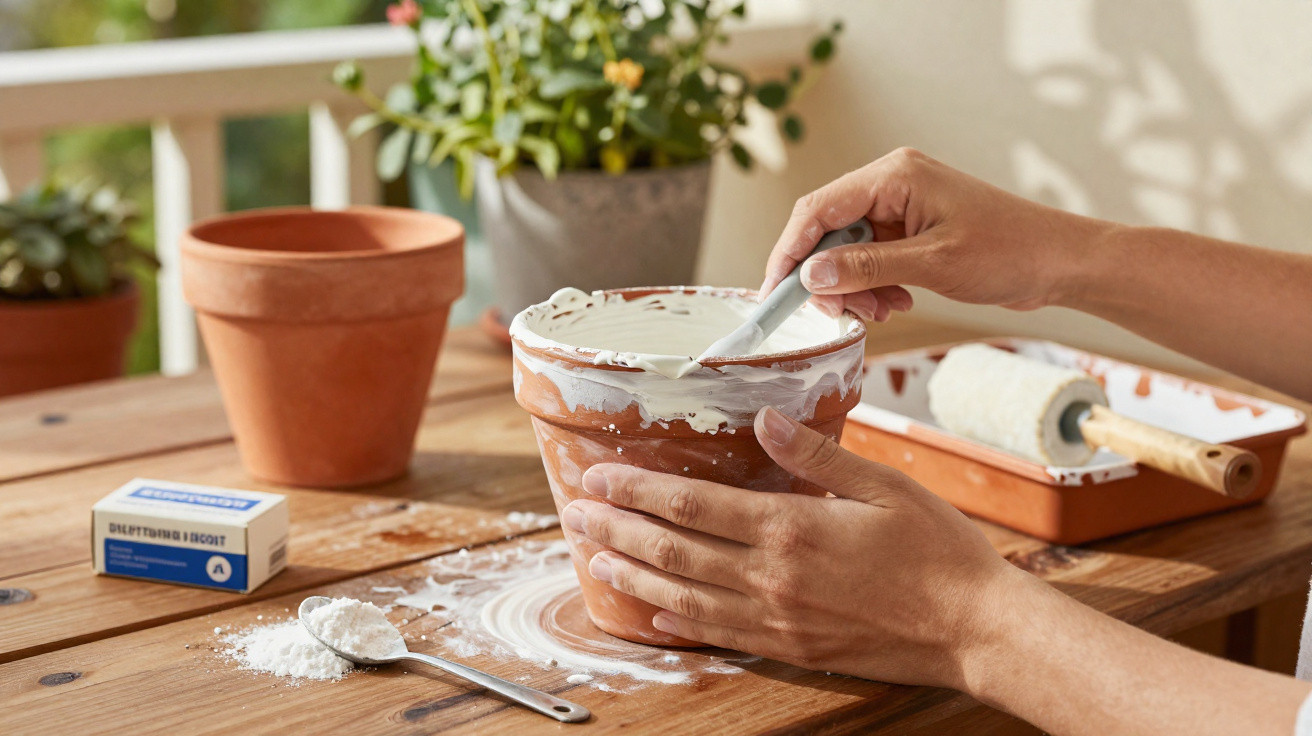
Those wishing to extend the bread’s freshness a little further can treat the inside of the bag with beeswax. Pure, untreated beeswax pellets or leftover wax from candle-making are suitable for this.
In practice, proceed as follows:
- Rub a thin layer of beeswax onto the inside of the clean, dry bag, or scatter over grated flakes.
- Place a sheet of baking paper inside the bag, then carefully warm it with an iron until the wax melts and spreads evenly.
- Leave it to cool – the result is a flexible surface with a light wax coating.
“The bag remains breathable but gains a natural protective layer that keeps bread noticeably fresh for longer.”
For cleaning, lukewarm water with a little mild washing-up liquid or a small amount of traditional household soap is enough. Hot water dissolves the wax, so rinse gently instead and leave the bag to air-dry.
Care, everyday tips and creative variations
Before using it for the first time, wash the old tea towel thoroughly in the washing machine. This removes dust, storage odours and any possible detergent residue. A light press with an iron tightens the fibres and makes sewing easier.
For daily use, always let bread cool completely before putting it into the bag. Then hang the bag on a hook or nail so that air can circulate. Those who bake frequently should wash the bag every one to two weeks, depending on use – though wax-treated bags should naturally only be washed briefly in lukewarm water.
No offcut needs to go to waste
The fabric pieces left over from cutting are ideal for other zero-waste household helpers:
- Lavender sachets: Sew narrow strips together, fill them with dried lavender and hang them in the wardrobe.
- Bowl covers: Add an elastic band to round pieces of fabric to cover bowls and dishes – an alternative to cling film.
- Bags for loose goods: Smaller versions of the bread bag are suitable for rice, pasta or pulses when shopping at a packaging-free store.
In this way, a complete set of reusable kitchen helpers gradually takes shape – all made from fabric that might otherwise have ended up in the bin.
Why the effort is genuinely worthwhile
Anyone who takes a handmade bread bag to the bakery even once quickly notices the effect. The fabric bag stands out, sparks conversation and quietly demonstrates that sustainable everyday living does not have to look like deprivation. Many bakers are now familiar with these bags and are happy to place fresh goods directly inside.
There are also tangible benefits: less waste paper, fewer thin plastic bags and a clearer view of personal consumption. Using textiles already available saves a considerable amount of packaging over the year and reduces the need for newly manufactured products. At a time of rising prices, this aspect carries even more weight.
The emotional element is equally compelling: if the towel originally came from a grandmother’s home, it holds a family story. A forgotten piece of fabric becomes an everyday companion that carries memories while still serving a modern life. This blend of nostalgia and practical sustainability is what makes the trend so powerful – and turns old striped tea towels into a truly rewarding project for a free weekend.


Comments
No comments yet. Be the first to comment!
Leave a Comment