
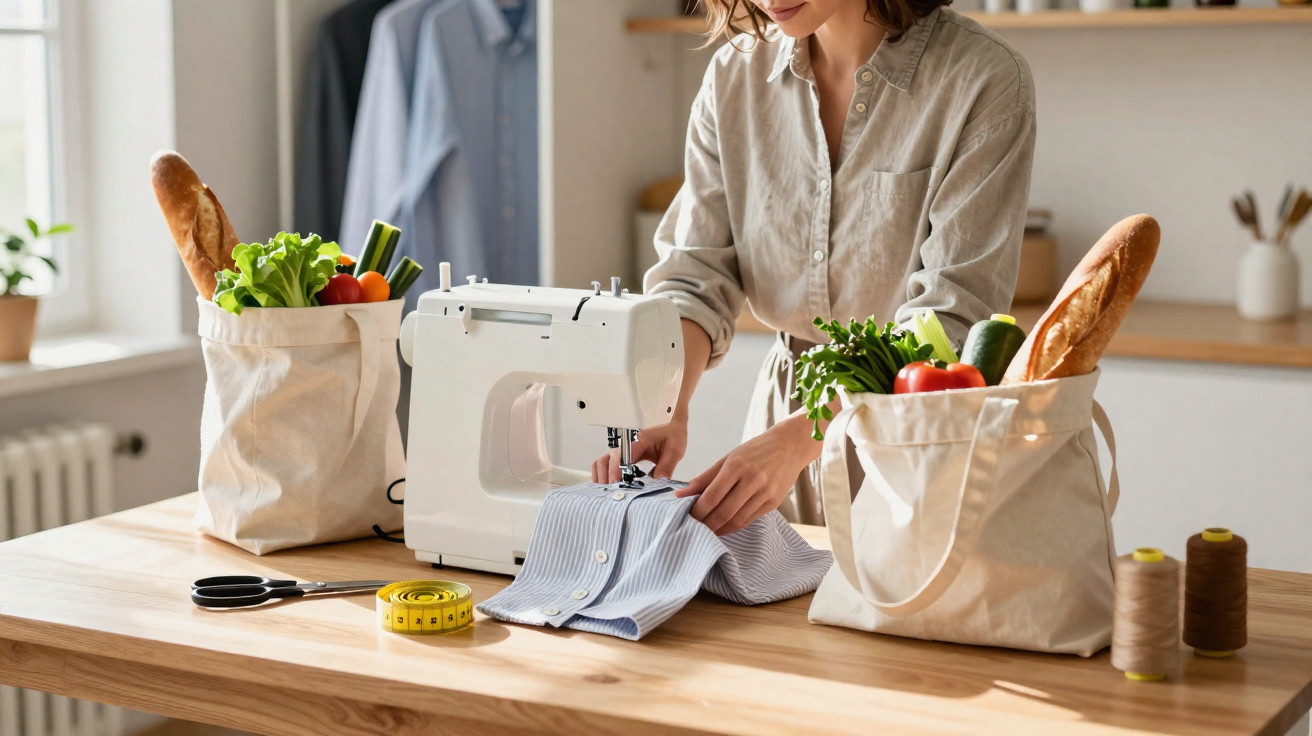
Old shirts are piling up in the wardrobe while supermarket prices keep rising – this simple sewing trick tackles both problems at once.
Many people leave stretched-out or faded men’s shirts hanging in the wardrobe for years because they are “too good to throw away”. At the same time, fresh shopping bags are bought week after week. Yet those very shirts can be turned into a surprisingly sturdy shopping bag in around an hour, saving money and cutting waste – with no professional sewing skills required.
Why an old men’s shirt is ideal for a shopping bag
At first glance, men’s shirts may not seem like suitable material for carrying heavy shopping. That is precisely where their strength lies, however: most are made from tightly woven fabrics such as poplin or so-called “fil-à-fil” (a fine, closely woven fabric). They withstand pulling and abrasion far better than many inexpensive reusable bags sold in shops.
A shirt becomes a bag that carries jars, bags of flour and bottles – without spending extra money or creating new waste.
Rather than discarding a shirt because its collar is worn or its cuffs are frayed, make use of the undamaged fabric in the middle. The result is a durable everyday helper that can replace conventional plastic carrier bags.
Textile waste and inflation: one solution for two problems
Across Europe, every person produces many kilograms of textile waste each year. Much of it consists of clothing that is barely damaged, merely out of fashion or lightly worn. At the same time, good-quality fabric shopping bags can easily cost £15 to £30 in shops.
- Material cost: virtually nothing, as the shirt is already available
- Saving per bag: around £15–£30 compared with a good fabric shopping bag
- Textile waste: at least one less garment thrown in the bin
Anyone who repurposes several shirts can equip the whole household with long-lasting shopping bags while freeing up wardrobe space at the same time.
Step by step: turn a shirt into a sturdy shopping bag
The good news is that you do not need to be an experienced sewer. A basic domestic sewing machine is sufficient, and many people can even make it with hand-sewn seams if they allow a little more time.
The best shirts to use
It is worth choosing the right shirt before starting. The best options are:
- Men’s shirts in size L, XL or larger, providing more room in the bag
- Tightly woven cotton or blended fabrics rather than thin, transparent material
- Long-sleeved shirts, as the sleeves provide fabric for strong handles
- Shirts without major tears across the front or back panels
Colourful checks, stripes and understated prints give the bag visual character. If you are using several shirts, you could make different “themed bags”: one for fruit and vegetables, one for jars, and another for bread.
Instructions: from shirt to bag in around an hour
- Prepare the shirt: Fasten every button and lay the shirt flat on a table. Position the collar at the top and keep the button placket in the centre.
- Cut off the sleeves: Cut along the shoulder seam where each sleeve joins the shirt. Keep the sleeves, as they will later become the handles.
- Shape the opening: Remove the collar just below its joining seam to create an oval or round opening. This will form the top of the bag.
- Close the bottom edge: Turn the shirt inside out, align the hem precisely and pin it securely. Sew straight across the full width, then finish the edge with a zigzag stitch to prevent fraying.
- Cut material for the handles: From each sleeve, cut one long strip roughly 10 cm wide. Depending on the shirt size, this should produce two substantial strips.
- Make the handles: Fold each strip in half lengthways with the right sides together, then sew along the open edge. Turn the strips right side out and topstitch close to the outer edge to make the handles stronger.
- Attach the handles: Turn the shirt right side out again. Position the handles evenly at the opening on the front and back, around a hand’s width from the centre. Stitch each one down in a rectangle with a cross, known as a “box-X stitch”, so it can support heavy shopping.
Finally, carry out a pull test by firmly lifting the bag by both handles. If nothing comes loose, it is ready for the market, supermarket and bakery.
Practical details that make the bag unbeatable for everyday use
One feature that is often overlooked is the breast pocket. When altering the shirt, make sure it remains on the outside. It is ideal for:
- Shopping lists or phone notes
- Coins for a supermarket trolley
- Keys or headphones
The breast pocket becomes a built-in mini organiser area – with no extra sewing required.
The button placket can also be put to use. If you are carrying delicate shopping, fasten one or two buttons at the top of the bag to stop anything slipping out.
How much weight can the bag carry?
Because men’s shirts are made from hard-wearing fabric, they can carry a surprising amount. Typical loads such as these are easily manageable:
- Several bags of flour or packets of pasta
- 2–3 glass bottles or jam jars
- Fruit and vegetables for a weekly shop
This applies as long as the seams have been sewn properly. If you often carry heavy bottles, reinforce the sides from the inside with a second seam.
Environmental and financial benefits in daily life
Every shirt converted into a shopping bag avoids ending up in general waste or a textile donation bin. It also reduces the need for new fabric bags or plastic carrier bags. Reusing the bag again and again saves a few pence on each shop, and those savings add up over a year.
| Number of altered shirts | Estimated saving at £20 per bag | New fabric bags not bought |
|---|---|---|
| 1 shirt | approx. £20 | 1 bag |
| 3 shirts | approx. £60 | 3 bags |
| 5 shirts | approx. £100 | 5 bags |
People who shop regularly at a local market or generally do a lot on foot benefit particularly. The bag simply becomes part of the standard kit kept by the coat rack.
Variations and further shirt upcycling ideas
The same principle can be adapted easily. With smaller shirts or blouses, this technique is suitable for making:
- Children’s shopping bags for family trips to the market
- Bread bags for bakery visits
- Fabric bags for toys, sportswear or laundry
If you enjoy sewing, the leftover pieces, such as the cut-off collar or cuffs, can become small accessories: keyrings, gift ties or fabric straps for bundling cables.
Care and durability
A handmade shirt bag can be washed at 40 °C without any problem, and many shirts can also be washed at 60 °C. Jeans, sharp-edged items and heavy metal objects are best carried in a separate bag so that the fabric does not suffer unnecessary wear. If wear becomes visible after a few months, simply sew in an extra reinforcement rather than making a new bag straight away.
For delicate materials, such as very fine cotton or linen, the bag is better suited to light shopping including salad, bread or clothing. Densely woven cotton shirts withstand considerably more and are ideal for heavy shopping in jars or bottles.
Getting more use from your own wardrobe
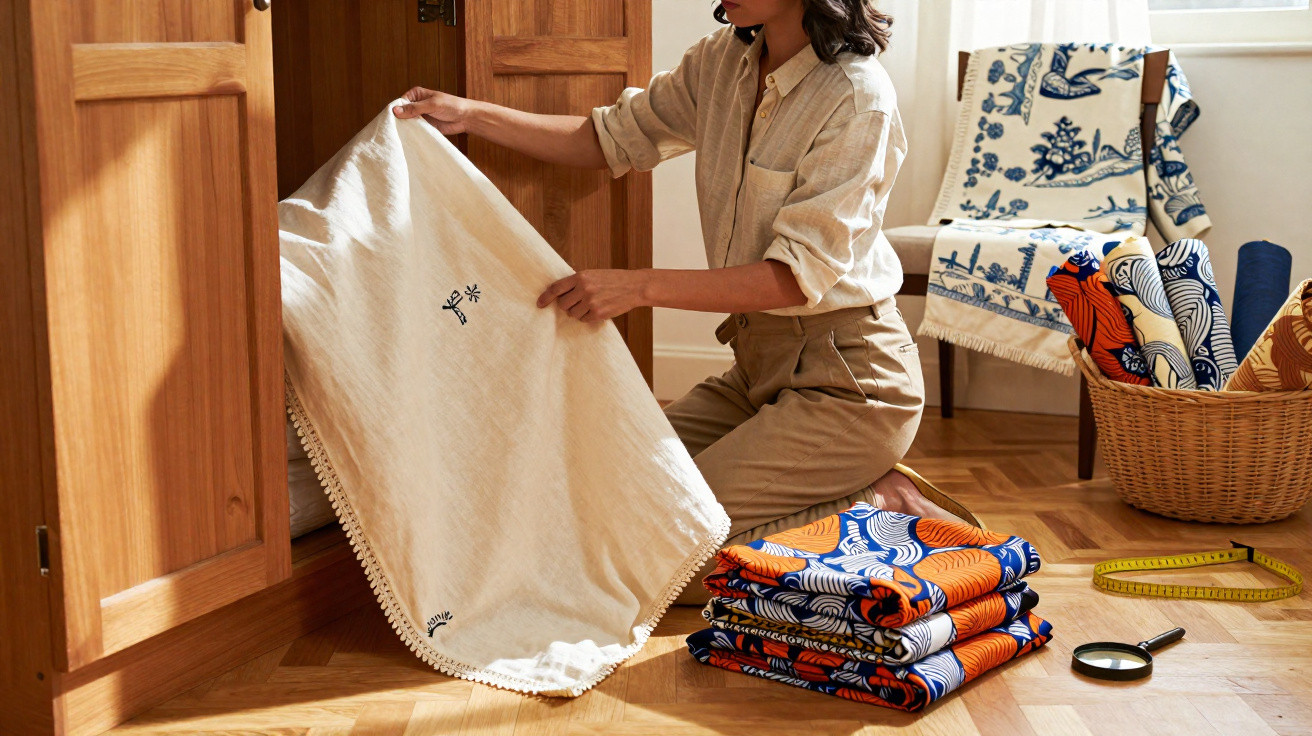
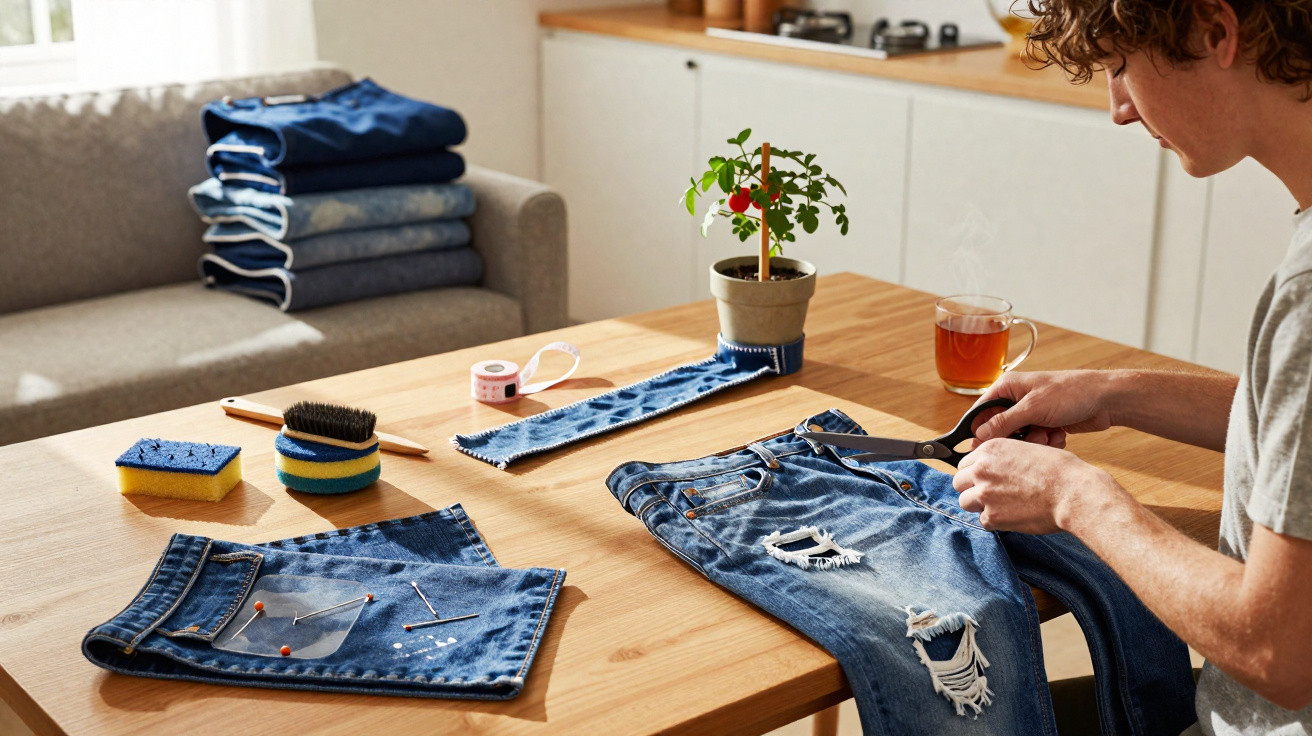
The shirt-to-bag method shows just how much potential is sitting in your wardrobe. Discarded items become useful objects without the need to buy new products. Once you have started, you may see other textiles differently too: bed linen can become a carrier bag, old curtains a vegetable bag, and jeans a robust tool bag.
At a time of rising supermarket prices and growing concern about textile waste, sewing a shopping bag from an old shirt may seem almost ordinary. Yet this ordinary step lowers costs, saves resources and brings a sense of pride: every trip to the market shows what can be achieved with a needle, thread and a forgotten shirt.




Comments
No comments yet. Be the first to comment!
Leave a Comment