
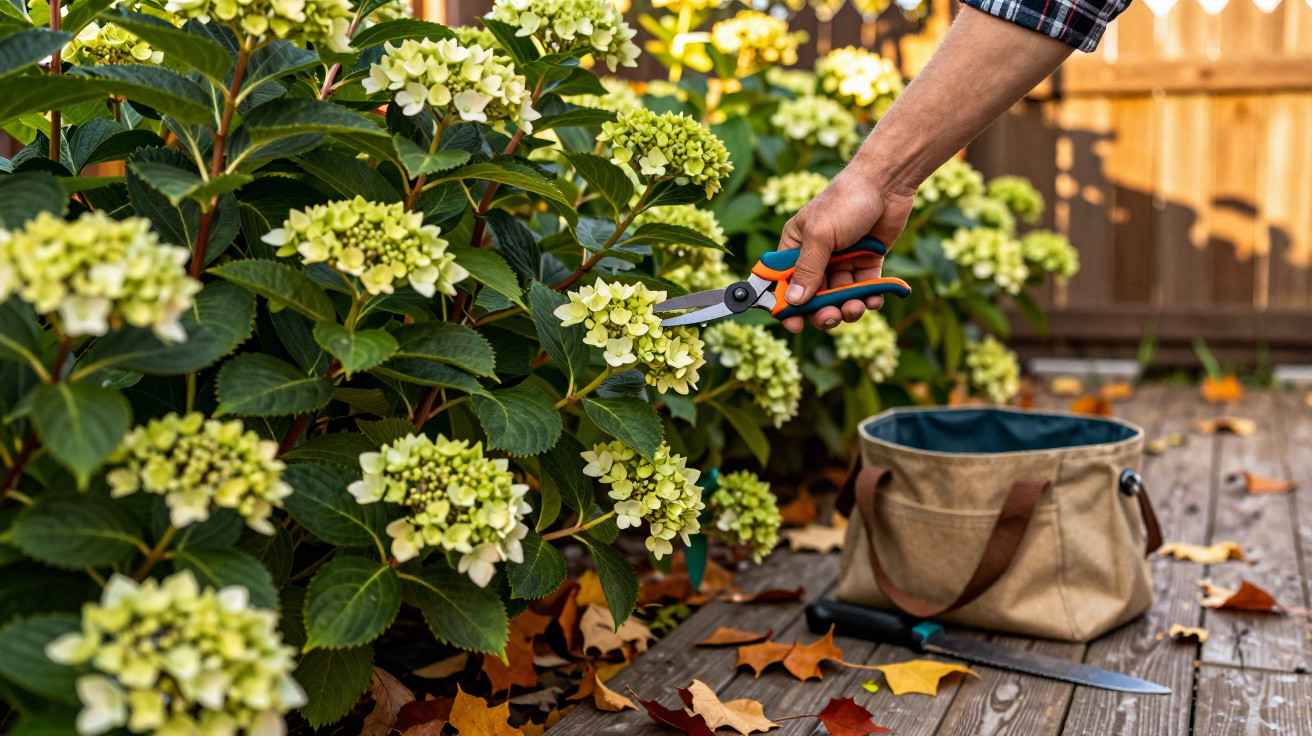
Many gardeners tidy their gardens without realising that certain species hold delicate biological secrets. Cutting branches at the wrong time can spoil the appearance of borders, leaving hydrangeas completely without their showy flowers.
Why does autumn pruning harm hydrangeas?
Severe pruning in the milder months removes vital parts of the plant. By taking away branches that appear dormant, you also remove structures the plant has already prepared, preventing colourful new shoots from emerging strongly in your garden the following season.
Incorrect cutting makes the shrub divert all its energy towards restoring damaged foliage. As a result, the stems can no longer support mature buds, leaving the plant vulnerable during winter and producing little decorative plant growth.
What is the risk of pruning in midsummer?
Removing branches during periods of intense heat can reduce their resilience and disrupt natural development… Read more
How do flower buds form on the branches?
Unlike ordinary shrubs, many varieties create their flower buds several months in advance. These buds lie dormant throughout cold spells, waiting for the right time to open, and are protected directly on the older, sturdier wood within the plant’s structure.
When a gardener trims the crown without identifying these essential points, they remove the source of future petals. The plant may remain healthy and green, yet it will not display any colourful clusters, disappointing anyone expecting abundant flowering full of natural vitality.
Below is a video from the Spagnhol Plantas YouTube channel that explores the points discussed in this topic in greater depth:
Which varieties rely on old wood?
Classic garden species, such as Hydrangea macrophylla, rely entirely on previous growth to produce their flower heads. This botanical trait requires extra care, as harsh intervention removes the ornamental potential and weakens the healthy development of the cultivated shrub.
Other similar varieties, including Hydrangea serrata, share this same biological pattern on their woody branches. Understanding the characteristics of each cultivated type prevents unnecessary intervention, ensuring the cultivation cycle remains intact and delivers an excellent visual result.
Essential Pruning Kit
Recommended materials
Keep suitable tools to hand to protect the health of the shrub:
- Sterilised, sharp pruning shears for clean cuts;
- Wound sealant or ground cinnamon to protect pruned branches;
- Comfortable gardening gloves for handling foliage safely.
How can you maintain the plant without harming it?
Rather than pruning heavily, limit your work to removing dry material or parts visibly damaged by the weather. This targeted tidying retains productive wood, allowing shoots to stay intact while improving air circulation between the stems.
Faded flower heads should be cut off close to the bloom, leaving the lower buds completely untouched for the next cycle. With this straightforward approach, the shrub keeps an orderly appearance without any negative impact on spring growth.
A few practical measures help ensure safe maintenance of the shrub:
- Remove only dead, diseased or broken branches;
- Cut off spent flowers just above the first pair of leaves;
- Keep all healthy woody growth intact for flowering.
When is the right time for more extensive intervention?
The best time for rejuvenation pruning is immediately after flowering has finished, at the end of summer. At that particular point, the plant still has enough time to produce vigorous new growth before intense cold stops plant development.
Following the plants’ natural timetable keeps borders flowering, healthy and lush throughout the following year. By avoiding severe cuts in the milder months, you protect your plants and secure a beautiful ornamental landscape filled with life and colour.




Comments
No comments yet. Be the first to comment!
Leave a Comment