
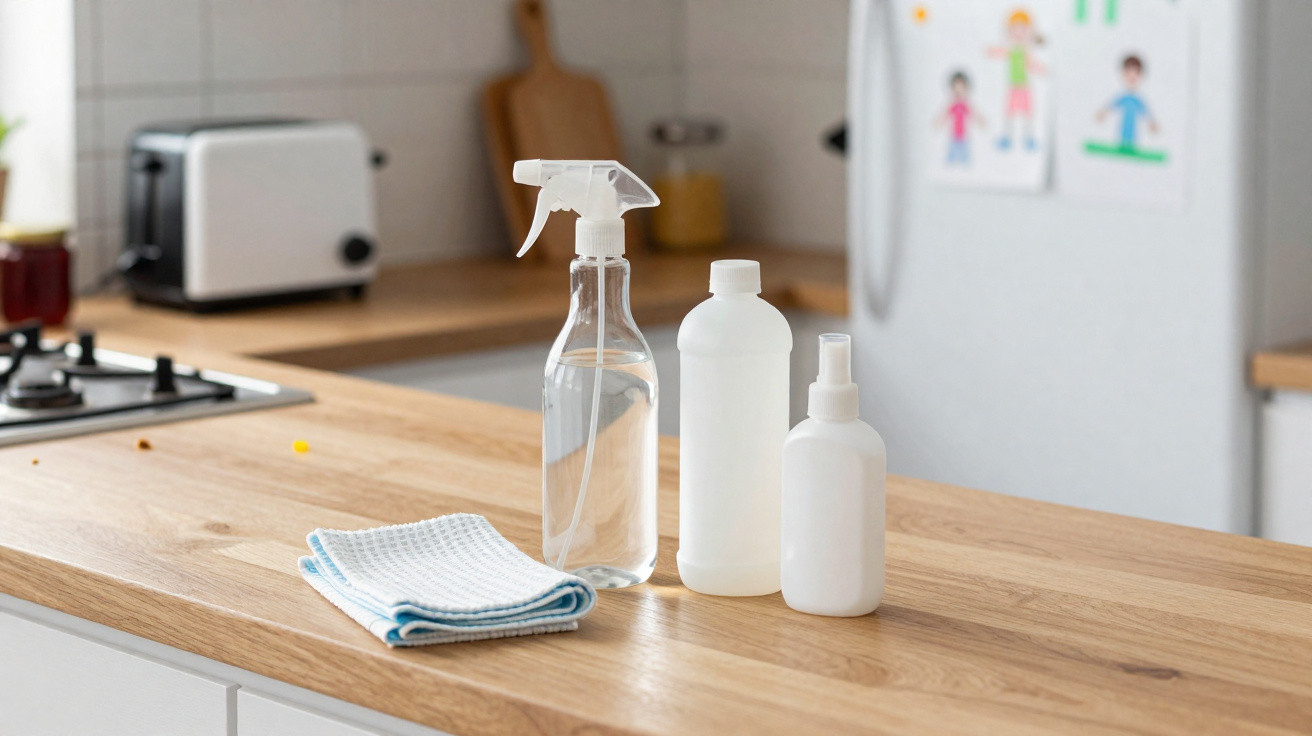
There is a tacky circle where the jam jar stood, a trail of fingerprints across the fridge, and crumbs quietly staging a takeover beneath the toaster. Then I open the cupboard below the sink and face a garish row of bottles, each claiming to transform one particular surface. We have all reached the point where the products seem more overwhelming than the dirt. Instead, I pause and pick out three unassuming staples: white vinegar, water and a squeeze of washing-up liquid. There is no flashy label or grand claim, only a modest bit of household defiance that smells slightly of chips for five minutes or so. Surely there is a simpler way. It has been there all along.
Why a three-ingredient cleaner works so well
Returning to the essentials brings a particular sense of relief: it clears your mind as effectively as it clears the worktops. When I made my first bottle in an old spray container, I actually cleaned more often because all the faffing about had disappeared. A cupboard packed with chemical concoctions is not necessary. What you need is a cleaner you will genuinely grab when pasta sauce splashes, the dog shakes itself dry or the post leaves a grey mark on the hall table.
A friend once sent me a photo showing one hand resting on a highchair tray and the other indicating splatters on the hob. She used the same spray for both jobs and had the same relaxed expression in each shot. It had cost her pennies to make, she explained, and she kept it beside the kettle because that is where everyday mess really occurs. Her last bottle of shop-bought multi-surface cleaner had been nearly £3; this one cost little more than the loose coins you would retrieve from a car cup holder. Those modest savings soon mount up.
The gentle acidity of vinegar tackles mineral residue and greasy film. Washing-up liquid deals with oils because, as a surfactant, it lowers surface tension and helps lift away dirt. Water acts as both the carrier and buffer, diluting the blend sufficiently for regular use while allowing it to spread and wipe away easily. It is not elaborate science; it is straightforward kitchen-table chemistry that performs consistently, which is exactly what matters when you are handling normal life rather than attempting a TikTok stunt.
The 3-ingredient cleaner recipe and method
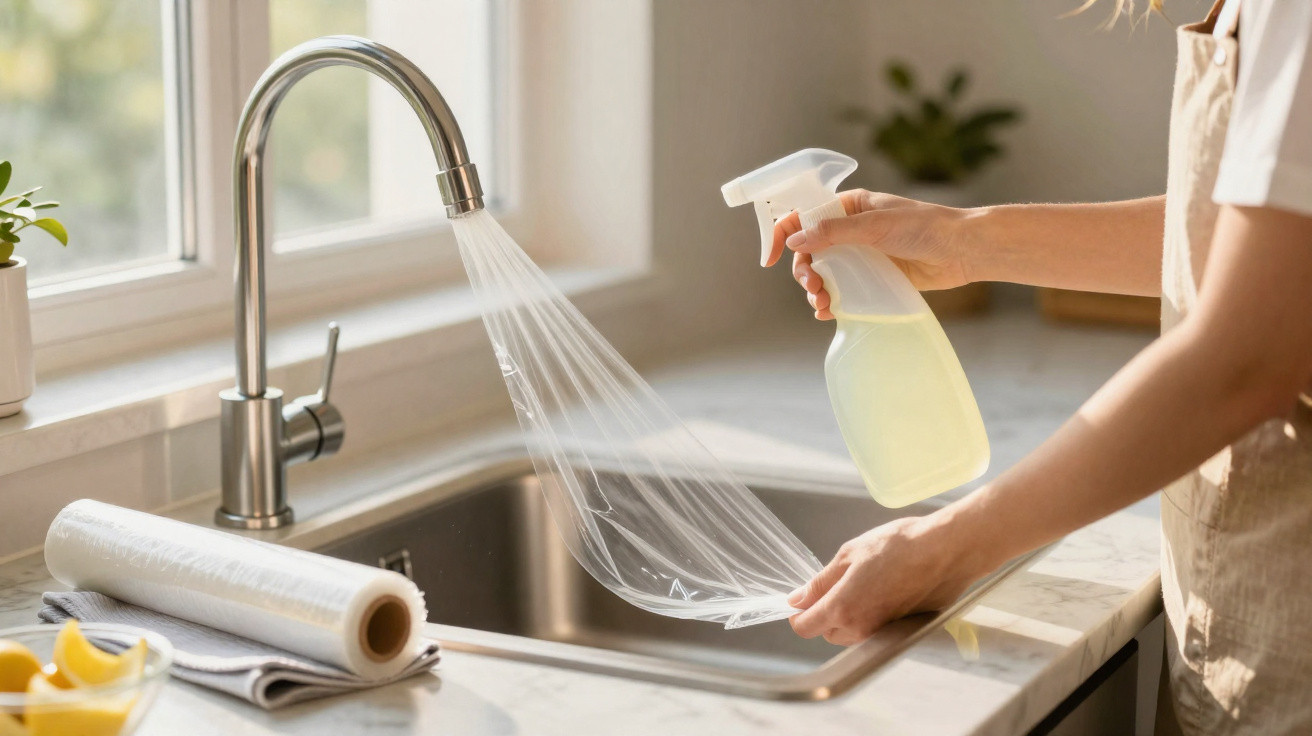
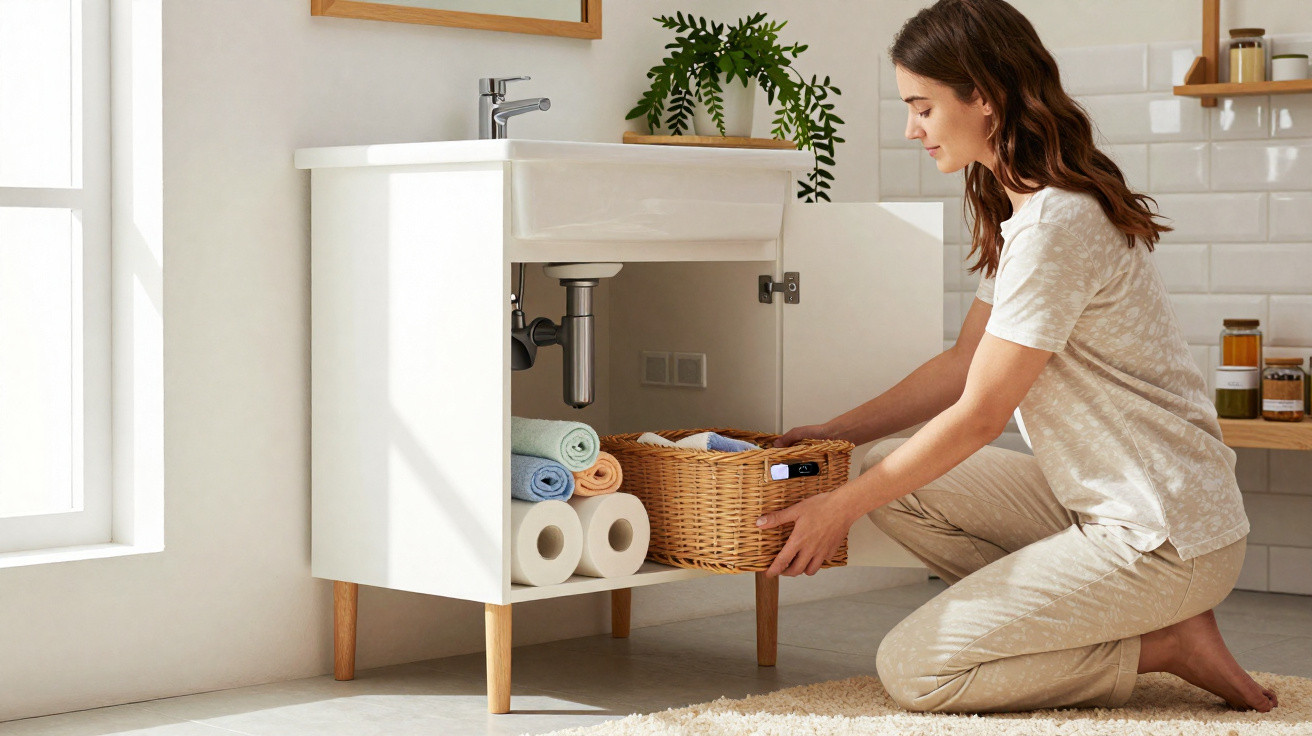
Take a clean 500 ml HDPE or glass spray bottle. Pour in 330 ml of cool distilled water, or water that has been boiled and allowed to cool, followed by 160 ml white vinegar and ½ to 1 teaspoon of washing-up liquid. Gently tip and swirl the bottle rather than shaking it, so it does not turn into a foam-filled bubble bath. Add a label stating the date and contents, store it somewhere visible and give it a brief roll before use to remix it evenly.
Apply it with a microfibre cloth and use the trigger sparingly: two sprays will usually go further than expected and create fewer streaks. Avoid using it on marble, granite, limestone and other natural stone. Keep it away from screens, unsealed timber and waxed finishes too, since soap and acidity may dull or strip these surfaces. Never mix vinegar with bleach, full stop. First test it on an inconspicuous area, work across small sections and dry glossy surfaces afterwards. Realistically, nobody buffs their toaster every day.
To keep the smell manageable, maintain the approximate 2:1 water-to-vinegar balance. Wipe food-contact areas once more with plain water, and prepare a new bottle every couple of weeks when using tap water.
“Simple wins because simple gets used,” says Jess, a professional housekeeper who switched to a three-ingredient routine after years of lugging a caddy. “If a product makes you hesitate, mess will win.”
- For mirrors and glass, use half as much washing-up liquid to reduce streaking.
- When cleaning stainless steel, apply the spray to the cloth rather than directly to the metal.
- On stone, use a stone-safe trio instead: water, isopropyl alcohol and a drop of washing-up liquid.
- For tacky handles, leave the spray in place for 30 seconds before wiping it away.
Create small routines: spray after making the kettle boil, then give a surface a quick wipe before sitting down.
A small bottle with a big effect
I had not expected a homemade cleaner to alter how the kitchen felt, but it did. With the bottle close at hand, cleaning becomes instinctive, followed by that peaceful exhale when the final crumb has disappeared from the counter. The best cleaner is the one you actually use. This is neither about achieving perfection nor claiming moral purity. It is about reducing the noise and choosing something effective on a hungry, tiring Tuesday afternoon, when you simply want your home to feel like yours again. Pass the idea on to a neighbour, keep an extra label in the drawer and see what happens when ordinary mess meets a kinder approach. Your future self will nod, spray and get on with the day.
| Key point | Detail | Benefit for the reader |
|---|---|---|
| Three-ingredient formula | Water + white vinegar + washing-up liquid in a 2:1:tiny-squeeze ratio | Easy to remember, fast to prepare and no specialist shopping required |
| Smart use | Microfibre cloth, light sprays, patch test, and avoidance of stone and screens | Better results, with fewer streaks and fewer errors |
| Safety and savings | Never mix with bleach; costs pennies to make and should be refreshed fortnightly | Helps protect health while lowering cleaning costs |
FAQ:
- Can I use this on granite or marble? Do not use vinegar on natural stone. Choose a stone-safe trio instead: 240 ml water, 240 ml isopropyl alcohol (70%), and ½ teaspoon washing-up liquid. Spray it onto a cloth, wipe the surface, then buff it dry.
- Does this disinfect? Vinegar is not a registered disinfectant. For genuine disinfection, use 70% alcohol on surfaces that have already been cleaned and allow the correct contact time, or use a product that makes germ-control claims. Never mix vinegar with bleach.
- How long does a batch last? It will keep for around 2–3 weeks when made with distilled water, or boiled-and-cooled water, and stored at room temperature away from sunlight. Pour it away and make a fresh batch if it develops an unusual smell or separates strangely.
- Can I add essential oils for scent? Yes, although this creates a fourth ingredient and does not improve cleaning performance. If you would like a light fragrance, use 5–10 drops of lemon or lavender; shake before use and avoid plastics that could soften.
- Will it streak on glass and stainless steel? For glass, reduce the washing-up liquid to one tiny drop and polish with a dry microfibre cloth. For stainless steel, spray the cloth instead of the surface and finish with a dry wipe to restore the shine.



Comments
No comments yet. Be the first to comment!
Leave a Comment