
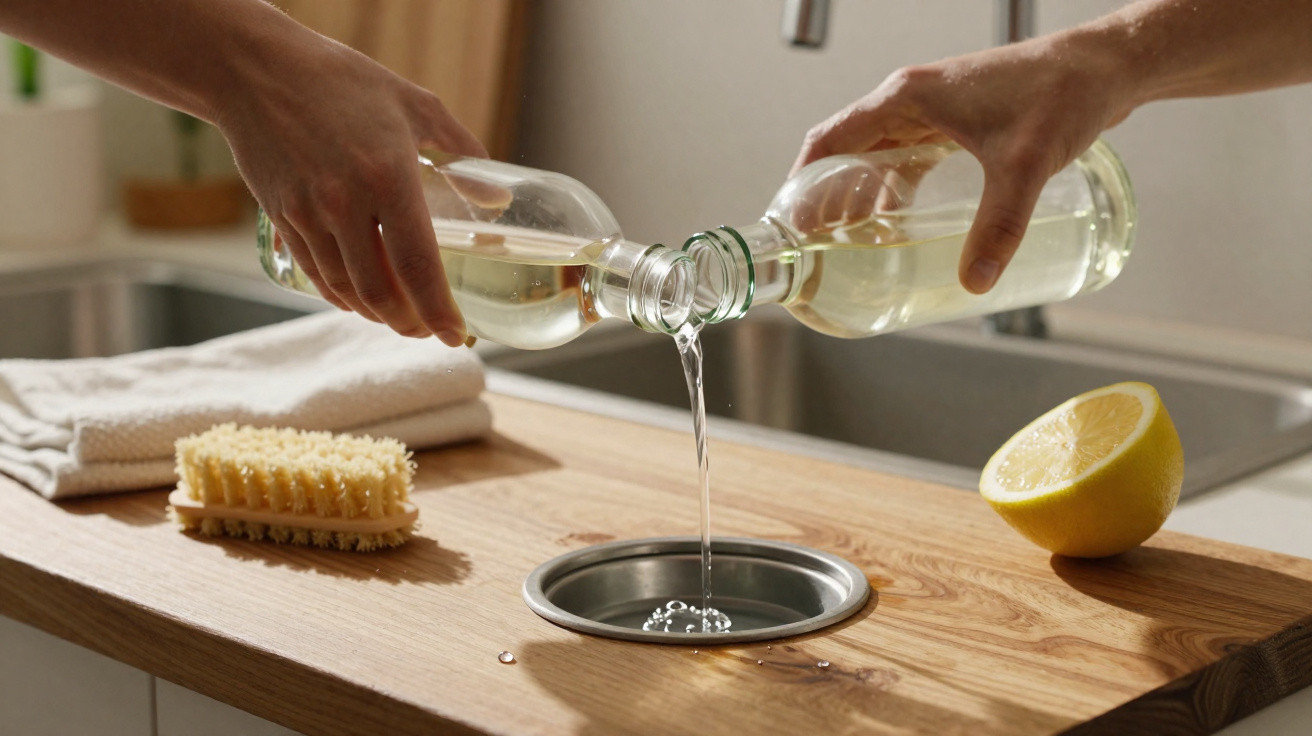
White vinegar has returned to the limelight as an understated household-care essential, particularly for the home’s less appealing areas.
From shower drains to kitchen vents, easily overlooked metal grates can gradually become breeding grounds for bacteria, mould and unpleasant odours. Cleaning specialists say a straightforward pour of white vinegar can make a practical difference to this regular task.
Why white vinegar works so effectively on grates
White vinegar gets its cleaning ability from acetic acid. Although it is a mild acid, it is sufficiently effective to interfere with many common household microbes. A number of environmental-health and food-safety studies indicate that acetic acid can lower levels of everyday bacteria, including E. coli and Salmonella, on non-porous surfaces when it remains in contact for long enough.
The principle for drains and grates is uncomplicated. Food debris, body oils, limescale and soap residue collect between the bars and immediately beneath them. This tacky build-up nourishes bacteria and fungi, which release volatile compounds with sewer-like or damp-cloth smells. Vinegar works on both the mineral scale and the organic coating.
White vinegar does three jobs at once on grates: it softens limescale, thins grease and shifts the balance of microbes that cause odours.
As a water-based, relatively runny liquid, vinegar can pass through slim openings and into the pipe’s first bends, where dirt commonly settles. Its ability to reach these areas is more important than it may seem: odours seldom originate from the visible, polished section, but from sludge sitting just beyond view.
Main benefits for household grates
- Odour control: cuts down the bacteria and mould responsible for musty or sewer-like odours.
- Limescale removal: assists in loosening mineral deposits in kitchens and bathrooms.
- Mould prevention: acidic conditions are less hospitable to fungal spores in humid spaces.
- Less reliance on harsh chemicals: reduces the need for chlorine-based products and strong degreasers.
- Budget friendly: ordinary distilled white vinegar costs considerably less than many specialist cleaning products.
How often should you pour vinegar down your grates?
Cleaning professionals generally see vinegar as a maintenance product, not a miracle solution. The right schedule varies according to the amount of moisture and organic material moving through each grate.
| Type of grate | Typical problems | Suggested vinegar routine |
|---|---|---|
| Shower or bath drain | Hair, soap scum, limescale, mildew odour | Once a week |
| Kitchen sink or floor drain | Grease, food particles, sour smells | Once a week |
| Laundry room drain | Detergent residue, fabric fibres, damp smell | Every 10–15 days |
| Ventilation or air-brick grates | Dust, surface grime, occasional mould spots | Once a month, mainly as a wipe-down |
Regular, small doses of vinegar keep problems manageable; waiting for a serious blockage usually calls for mechanical cleaning or a plumber.
Step-by-step: cleaning grates with white vinegar
There is no need for an elaborate process or several different products. A jug, a brush and a little patience are usually enough.
Basic method for drains and floor grates
- Slowly pour roughly one cup of white vinegar over and through the grate.
- Allow it to work for 15 to 30 minutes, giving the acid time to loosen deposits.
- Clean the exposed sections with an old toothbrush or a small scrubbing brush.
- Flush away released residue into the pipe using hot water.
- Wipe the area surrounding the grate dry with a clean cloth to help prevent fresh mould growth.
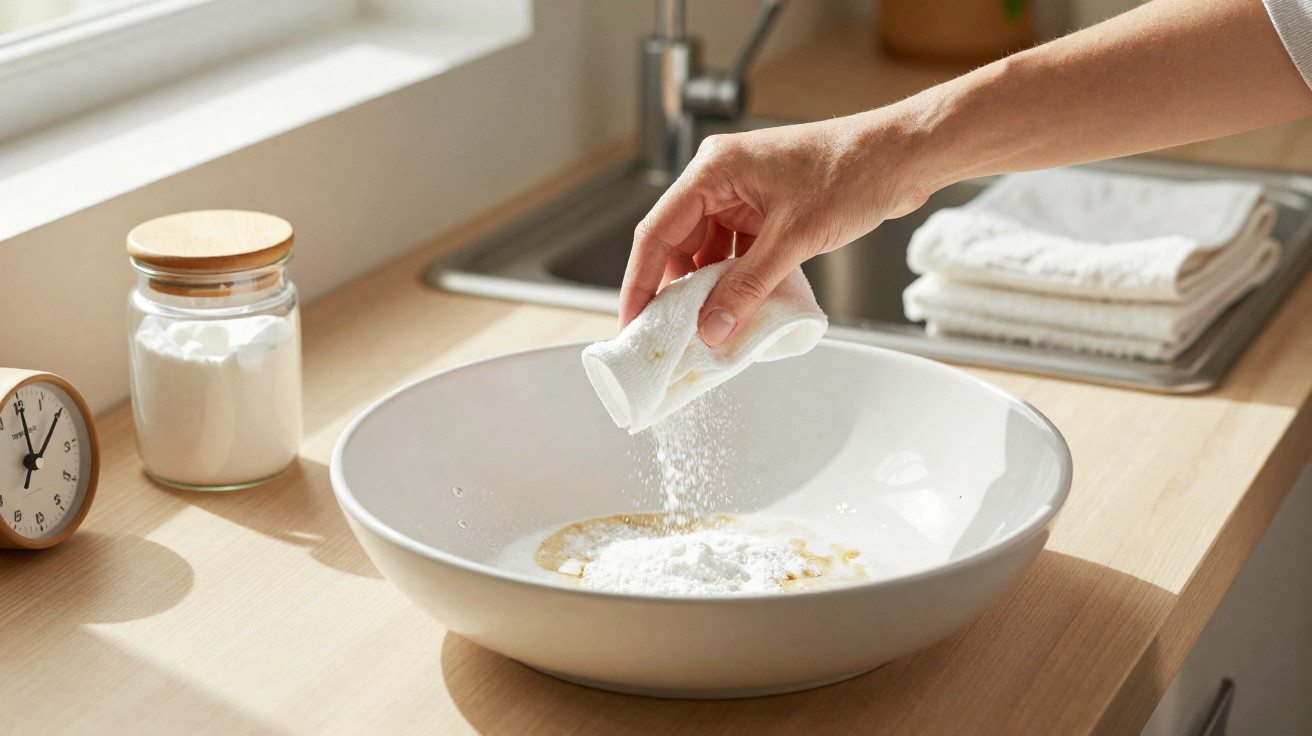
Where a grate is removable, as with certain shower and floor covers, a more complete clean is possible. Take out the grate and leave it in a bowl of warm water and vinegar for half an hour before scrubbing and rinsing it. As it soaks, pour additional vinegar into the open drain and brush any accessible sides.
Kitchen specifics: dealing with grease
Kitchen grates and sink strainers have to cope with fats, starches and proteins. Vinegar can help, but it is not particularly effective by itself against thick, cold grease. Many professional cleaners advise a basic two-stage approach.
- Start by running hot water over the grate with a small amount of washing-up liquid to break up the layer of fat.
- Follow this with vinegar, let it sit, then rinse once more with hot water.
This order relies on the surfactants in the washing-up liquid to release oils, while the vinegar addresses mineral deposits and films that cause odours. Together, they lower the chance of sticky residue collecting food particles and causing blockages more quickly.
Where vinegar falls short
White vinegar is not suitable for every situation. Where limescale is especially severe, or drains have been neglected long enough for thick sludge to form, the acid may only loosen the outer layer. Mechanical equipment, including drain snakes and hair catchers, or professional cleaning may then be required.
Vinegar can also react with certain surfaces. It should not be repeatedly poured over natural stone, including marble and limestone, because the acid may etch it. For grates installed within these materials, professionals recommend using a cloth or a precisely aimed squeeze bottle, while preventing contact with the surrounding stone.
Vinegar supports a maintenance routine; it does not replace proper plumbing work when pipes are already narrowed or damaged.
Is vinegar safe to mix with other products?
This requires care. Never combine vinegar with bleach or chlorine-containing products. Such a reaction can produce chlorine gas, which irritates the eyes and lungs and may be dangerous in enclosed areas. As many multi-purpose bathroom sprays contain bleach, check the label before using products together.
- Never mix vinegar with bleach-based cleaning products.
- Do not mix it directly with strong ammonia-based products.
- When changing from one cleaner to another, rinse the area thoroughly with plenty of water first.
When used alone, however, distilled white vinegar remains one of the lower-risk cleaning liquids found in the cupboard, particularly alongside powerful drain unblockers made to dissolve organic material.
Why public interest in “low-tech” cleaning hacks is rising
UK and US search data indicates continuing interest in household tips using everyday cupboard staples instead of branded chemicals. Vinegar, bicarbonate of soda and lemon juice are central to this trend, fuelled in part by cost-of-living pressures and in part by worries about indoor air quality.
Indoor spaces already contain volatile organic compounds from sources such as furniture, paint, candles and heating systems. Frequent use of scented cleaning products adds to this mixture. Vinegar has a strong odour, yet it fades fairly quickly and adds no synthetic fragrance, which can be difficult for some people with asthma or allergies.
Extra tips for keeping grates cleaner for longer
Vinegar is most useful as part of a wider cleaning routine. Several easy practices can reduce how frequently grates require attention.
- Fit hair catchers in showers to stop strands entering the drain.
- Scrape plates into the bin before rinsing them, reducing the amount of food debris.
- Open bathroom windows or use extractor fans to reduce humidity around floor grates.
- Vacuum or dust ventilation grates often, preventing dust from sticking to damp areas.
For households seeking a more structured routine, some plumbers suggest alternating vinegar flushes with plain hot-water flushes over the month. This helps keep fatty deposits softer and easier to shift before they set into stubborn rings inside the pipe.
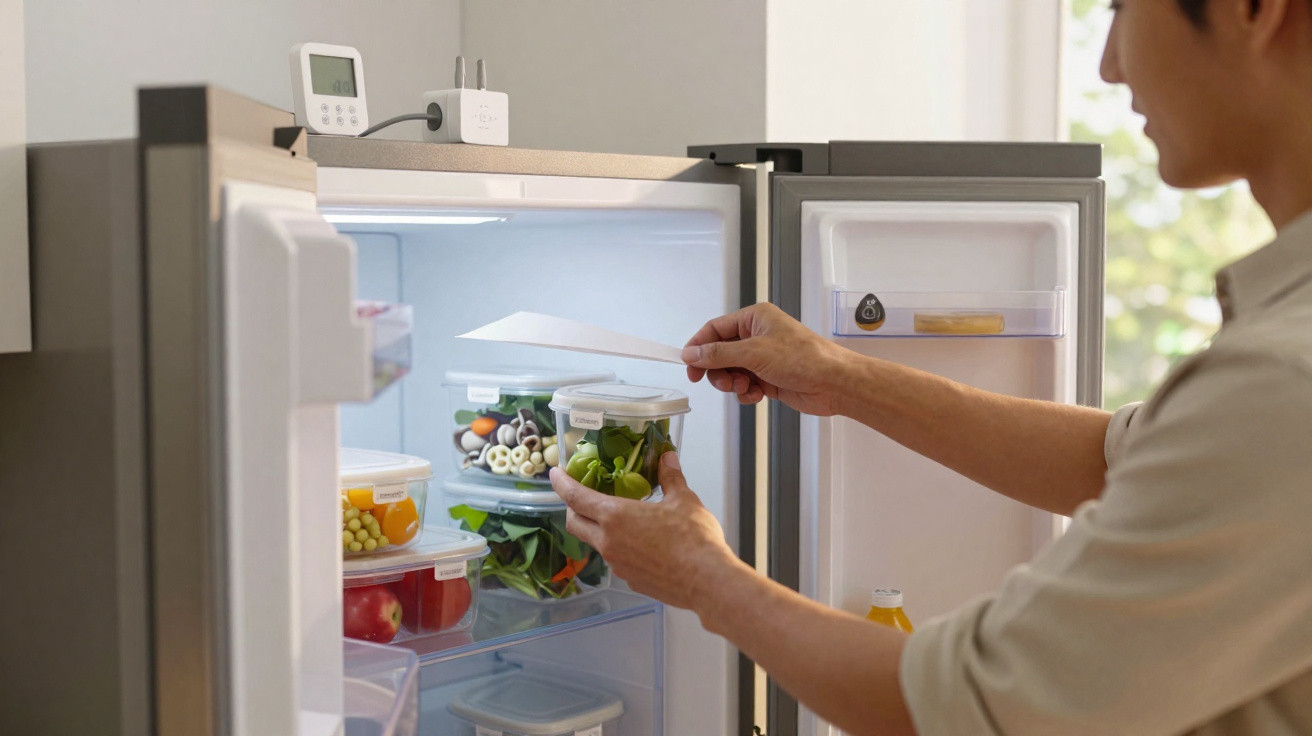
The same bottle of white vinegar can also be used for an unexpectedly wide range of small jobs beyond grates: descaling kettles, cleaning tiled splashbacks, freshening fridge interiors and lifting soap marks from glass shower screens. The underlying principle remains the same for every task, with contact time and dilution adjusted as needed. Applied with sensible judgement, it becomes less a folk remedy than a discreet, dependable aid to modern home maintenance.

Comments
No comments yet. Be the first to comment!
Leave a Comment