
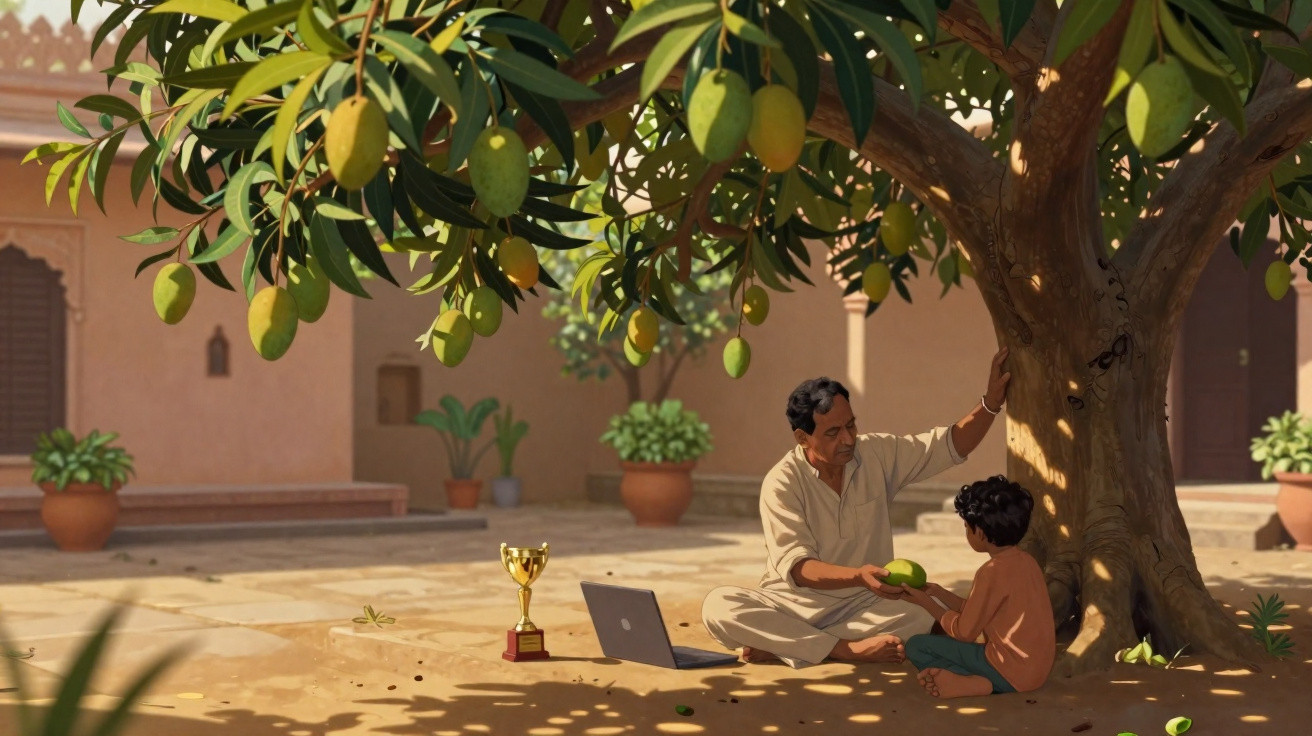
The pursuit of success can often distract us from the value of mutual respect. The Indian proverb about the fruit-bearing tree teaches that major achievements require humility, showing that genuine wisdom lies in bowing one’s own ego before life.
What is the metaphor behind the fruit-bearing tree?
When a tree bears plentiful fruit, its branches become heavy and naturally bend towards the ground. This picture represents the maturity of a person who, despite gaining virtues and knowledge, chooses to retain an attitude of respect towards society.
On reaching high positions, people are often inclined towards pride and needless display. Yet this ancient teaching highlights the virtue of those who choose to welcome others, making recognition a generous means of learning.
Why do even experts make unpredictable mistakes?
This well-known Eastern saying reminds us that no one is infallible and that true wisdom lies in the fact that… Read more
Why does modesty strengthen personal growth?
True greatness does not need constant fanfare to be recognised in everyday life. Those with authentic wisdom understand that life involves continual learning, keeping an open mind and avoiding the arrogance that ruins lasting relationships.
Truly mature people can listen to differing views without showing superiority or excessive vanity. Acting simply helps to build deeper interpersonal connections, ensuring balance in everyday conduct and fostering an atmosphere of shared co-operation among everyone.
Below is a video from the Corvo Seco YouTube channel that explores the points discussed in this topic in greater depth:
How can you overcome the ego traps that come with success?
Social applause and material achievements can inflate the ego, causing a person to lose sight of their limitations. Humility serves as essential protection, safeguarding serenity and reminding us that no victory lasts for ever.
Avoiding ostentatious displays of power helps people stay grounded and appreciate every stage of their journey. The pursuit of personal elevation takes on real meaning when it is accompanied by detachment from appearances and excessive concern over other people’s judgement.
Pillars of True Humility
Attitudes of Wisdom
Developing a mature outlook requires consistent practice and daily inner reflection:
- Recognise that personal knowledge is always limited in comparison with the universe.
- Practise attentive listening without trying to overshadow the experiences of others.
- Share achievements with modesty and gratitude for the opportunities received.
Which attitudes reflect wisdom in daily life?
Humble conduct appears in small everyday actions, such as listening carefully without interrupting the speaker. This attitude of patience supports ongoing learning, allowing people to absorb new ideas and act with great good sense during challenging everyday moments.
Acknowledging that knowledge is never complete encourages more effective skill development. Having awareness of one’s own weaknesses makes a person genuinely strong, while also nurturing a spirit of generosity in relationships with family and colleagues.
Some daily actions put this principle into practice:
- Listen attentively without trying to stand out in conversations.
- Recognise the value of collective work in achievements.
- Remain modest when receiving praise and awards.
Why does simplicity attract genuine respect?
Sincere regard from others is earned through consistency between words and actions, rather than impressive titles. Those who cultivate modesty naturally inspire trust because they show that personal worth does not depend on the status accumulated throughout a professional career.
Ultimately, bowing the soul like a fruit-bearing tree means recognising abundance without losing one’s essence. Nurturing moral nobility strengthens character, leaving a lasting legacy shaped by inner peace and mutual respect.






Comments
No comments yet. Be the first to comment!
Leave a Comment