
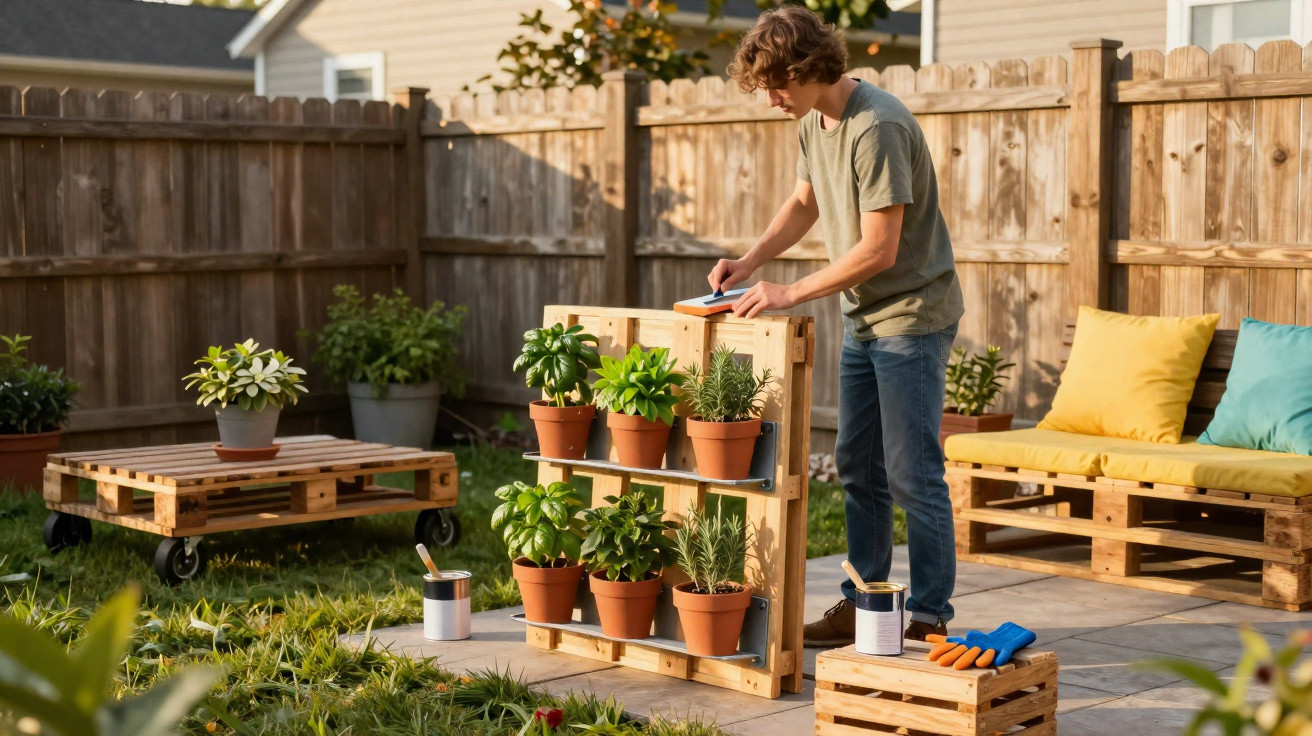
Before throwing away an old pallet, many people overlook how much potential this material has for reuse. Rather than sending it straight to landfill or recycling, a wooden pallet can take on new roles in the home, a shop or even a small business, helping to save money, cut waste and encourage creative “do it yourself” projects.
What does reusing pallets involve, and what are its main benefits?
Reusing pallets means finding a new purpose for wooden structures that would otherwise be discarded after transporting goods. Instead of being thrown away immediately, the material can be turned into furniture, stands, wall panels, partitions and other inventive solutions, whether through simple alterations or more detailed projects.
Its key benefits include less timber waste, lower furniture-buying costs and the freedom to personalise every item. In urban settings, pallets make it easier to create practical spaces in compact homes, providing modular, stackable structures that can often be obtained free from local businesses.
How can old pallets be turned into useful and decorative furniture?
One of the most frequent uses is making furniture, including sofa bases, coffee tables, beds, sideboards and shelving units. On balconies and in gardens, pallets can serve as low benches, cushion bases or frames for occasional tables, often paired with castors and a glass or additional timber top.
Anyone planning to give a pallet this purpose will usually need to follow several basic steps to ensure that home-made items are safe, comfortable and long-lasting:
- Inspect the timber: check for broken sections, loose nails and excessive dampness.
- Sand it down: remove splinters and smooth the surface to prevent injuries.
- Treat the wood: use a wood sealer, varnish or suitable paint to protect it.
- Assemble the piece: connect pallets with screws and metal brackets, strengthening load-bearing areas.
How can old pallets be used for vertical herb gardens and creative gardening?
An old pallet is also widely used in gardening projects, especially where space is limited. A vertical herb garden makes it possible to arrange pots, herbs and small plants on one structure fixed against a wall or suspended from it, a common feature on flat balconies and in outdoor kitchens.
When converting a pallet into a vertical herb garden, certain precautions help preserve the timber and keep plants healthy. The back should be reinforced with fabric, sheeting or thin wood, the frame needs protection from direct moisture, and suitable plants should be selected, such as easy-care herbs, seasonings and small flowering plants.
What precautions and creative uses should be considered when reusing old pallets?
Beyond furniture and herb gardens, a pallet can become a television panel, bed headboard, holder for pictures and lamps, or an organiser for tools and craft supplies. At temporary events, it can be used for display stands, worktops and demountable backdrops, reducing reliance on disposable structures.
Before starting any project, it is essential to assess the wood’s origin and condition. Avoid pallets that carried chemicals or show mould, heavy staining or a strong smell. Exposed nails and loose or cracked boards must be repaired, while items designed to carry weight, such as beds and sofas, need additional reinforcement to provide stability and safely extend the material’s lifespan.





Comments
No comments yet. Be the first to comment!
Leave a Comment