
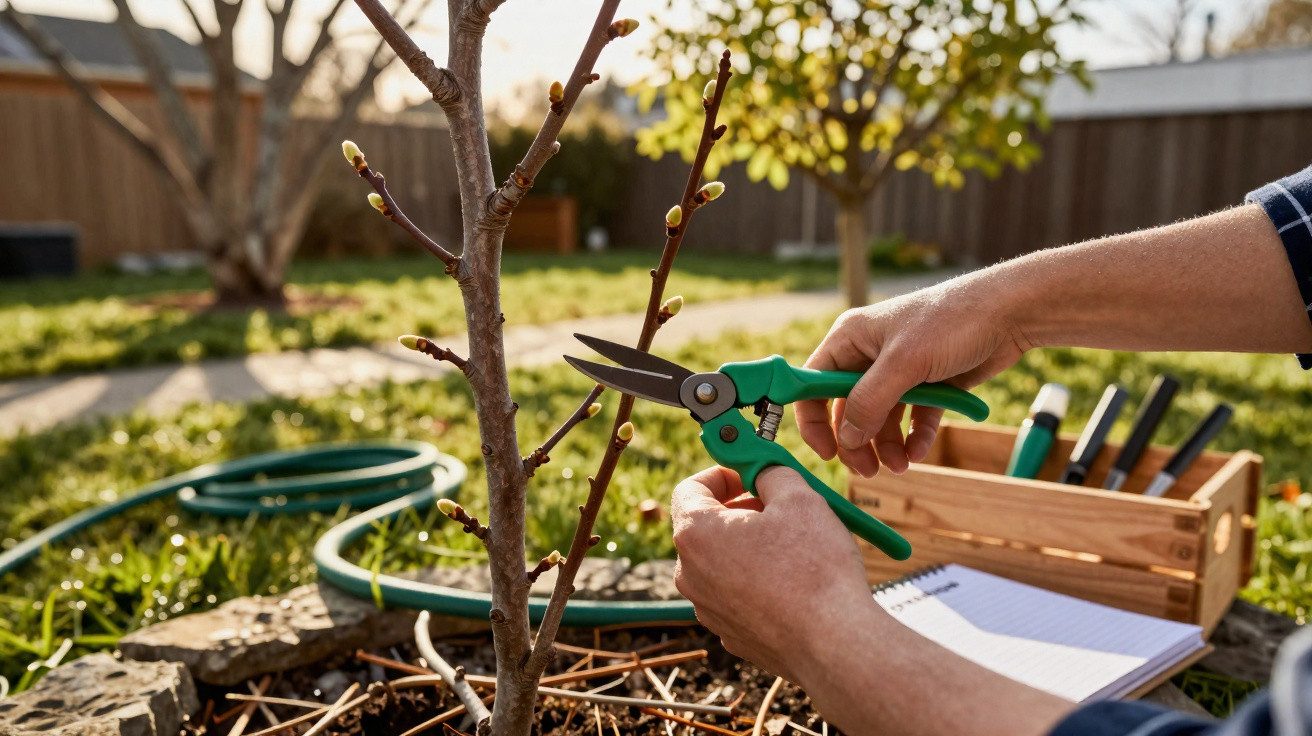
Pruning a tree is not simply a matter of cutting branches that appear excessive. The timing, species, climate and purpose of the cut all directly affect the outcome. Pruning at an unsuitable time can remove important structures, disrupt flowering or leave wounds exposed for longer.
Why does pruning time differ between trees?
Every species has its own growth cycle. Some produce flowers on branches formed during the previous season, whereas others flower on new shoots. Removing these branches at the wrong point may eliminate the very structures that would have produced flowers and fruit.
Climate is another important factor. Temperature, humidity and rainfall periods can affect how quickly pruning wounds heal and the activity of certain organisms associated with wood. Consequently, there is no single month that is suitable for pruning every type of tree.
When is pruning more suitable?
For many deciduous trees, structural pruning is often carried out during dormancy, when the tree has no leaves. This makes the branch framework easier to see and may reduce some management difficulties.
However, this is not a universal rule. Trees that flower in spring, for instance, may require a different approach to retain the branches that carry the following season’s flowers. The best time must take account of the particular behaviour of the species.
What happens when trees are pruned at the wrong time?
One of the most frequent mistakes is removing productive branches shortly before flowering. According to the species, this can reduce the number of flowers and fruits produced during that cycle.
Poorly planned cuts may also encourage vigorous, irregular new growth. If too many branches are removed at once, the tree may react by producing rapid shoots in certain areas, changing the intended structure of the canopy.
Does all pruning need to wait for the ideal time?
No. Broken, dead or hazardous branches may need to be removed regardless of the season, particularly where they could fall or cause damage to people or property.
Even so, larger cuts or work on large trees requires greater care. Where the job involves working at height, cutting equipment or branches close to electrical lines, the safest option is to hire a qualified professional.
How can you tell when to prune a tree?
Before making a cut, identify the species and find out when it flowers, which branches bear its flowers and what the purpose of the work is. Pruning to remove dead wood is different from pruning intended to limit size or encourage a particular shape.
Therefore, the right time to prune trees cannot be determined by the calendar alone. Considering the plant’s cycle, weather conditions and the reason for cutting helps to avoid unnecessary intervention and prevents important branches from being removed just as the tree is preparing to flower.






Comments
No comments yet. Be the first to comment!
Leave a Comment