
Discarding worn bath linens too soon is a common source of household waste. With straightforward cutting techniques, old fabrics can be turned into effective floor cloths and useful accessories, combining household savings with practical sustainability in everyday routines.
Why reuse old towels rather than throw them away?
Even after they have lost their original softness, towels retain a hard-wearing structure and an excellent ability to hold liquids. The natural wear of the fibres does not remove cotton’s high absorbency, making this material ideal for demanding household cleaning jobs.
Reusing these items at home reduces the need to buy disposable products from the supermarket. This sensible decision can considerably lower monthly costs for maintaining the home, while conserving important resources and reducing the build-up of textile waste.
Why do Portuguese people regard old cloths as a genuine treasure?
This traditional habit gives worn fibres a new purpose in surprisingly useful household solutions, avoiding unnecessary spending while keeping… Read more
How should the fabric be cut and prepared for new uses?
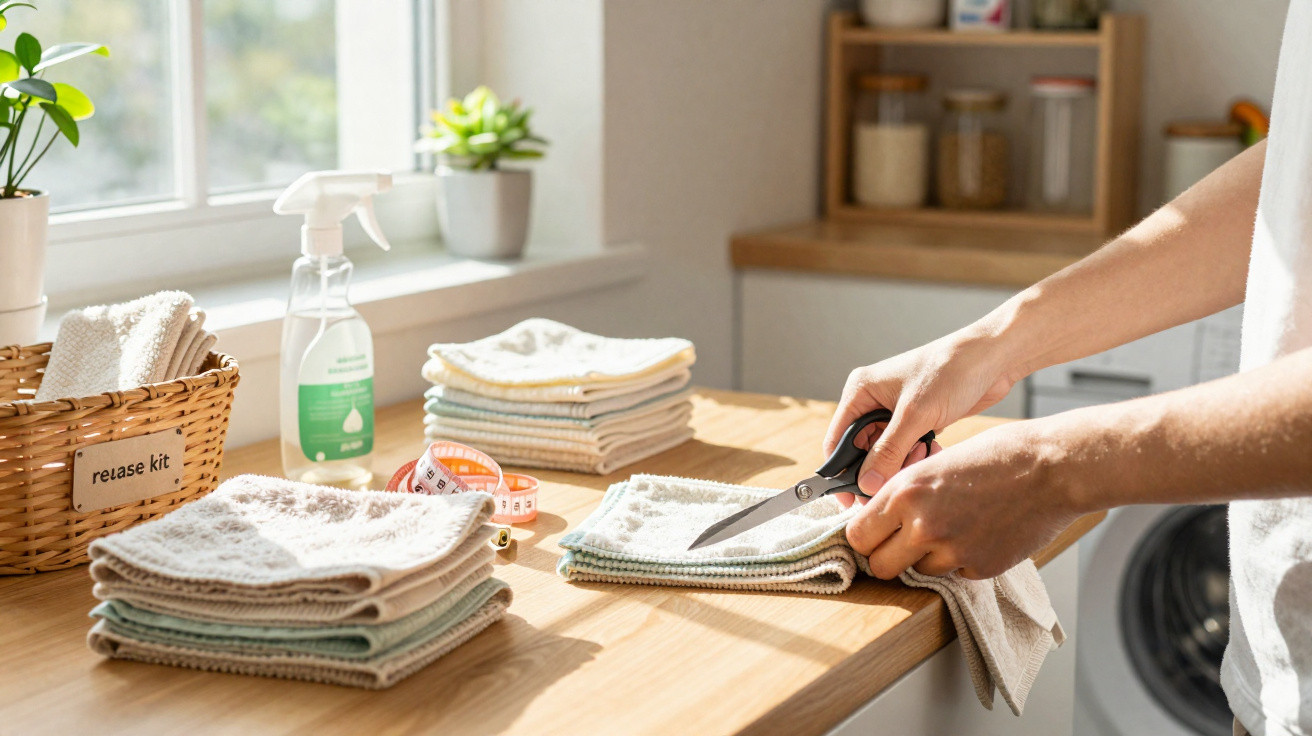
Begin by laying the item flat on a clean table so that you can plan suitable dimensions. With sharp dressmaking scissors, cut the fabric into a range of practical sizes, taking care to avoid frayed edges that could shed lint during use.
To help the newly made cloths last longer, it is advisable to sew a simple seam around the cut edges. This small side finish stops the threads from continuing to fray in the wash, ensuring excellent durability when cleaning any room in the home.
Below is a video from the Silvalina Ribeiro YouTube channel that explores the points discussed in this topic in greater depth:
Which items make reusable pieces easier to create?
Transforming old fabric does not require complicated tools or costly industrial sewing equipment. With a few accessible materials found in almost any cupboard, you can arrange the entire creation process and customise useful pieces to suit the specific needs of your daily routine.
Keeping basic tools together speeds up the making of broom covers, cleaning cloths and heat-resistant holders. Using hand needles or strong elastic makes it possible to adapt cloths into various household accessories, helping with the cleaning of floors, tiles and hard-to-reach corners.
Reuse Kit
Materials for transforming fabrics
Set aside the following items to make your new practical cloths:
- Sharp dressmaking scissors for straight cuts;
- A needle and strong thread for sewing the hems;
- Elastic or a strip of fabric to secure it to the broom.
Where can reused cloths be used for cleaning?
Terry fabric is highly effective at removing dirt from a variety of surfaces around the home. Its looped texture traps dust particles easily, allowing you to clean windows, kitchen worktops and furniture without scratching them or spreading dirt around the room.
In bathrooms and kitchens, the cut cloths help with applying disinfecting products and drying surfaces quickly. They absorb spilled liquids immediately and withstand the removal of heavy grease, replacing expensive cloths with complete effectiveness and convenience.
Here are several practical ways to use these repurposed fabrics in household routines:
- Thorough floor cleaning by fitting the cloth conveniently onto a broom.
- Effective dust removal from furniture, doors and window frames.
- Heavy-duty cleaning of tiles, sinks and kitchen or bathroom worktops.
How should cloths be cleaned and stored for reuse?
Keeping the new cloths clean involves simple care that maintains maximum durability over time. After each demanding use, wash them under running water with a little mild soap, removing dust residue trapped in the looped fibres.
Hanging the pieces in a well-ventilated place ensures quick drying and prevents unwanted odours from developing. Storing the cloths folded in dedicated drawers keeps the cupboard organised and makes them easy to reach during household tasks.



Comments
No comments yet. Be the first to comment!
Leave a Comment