
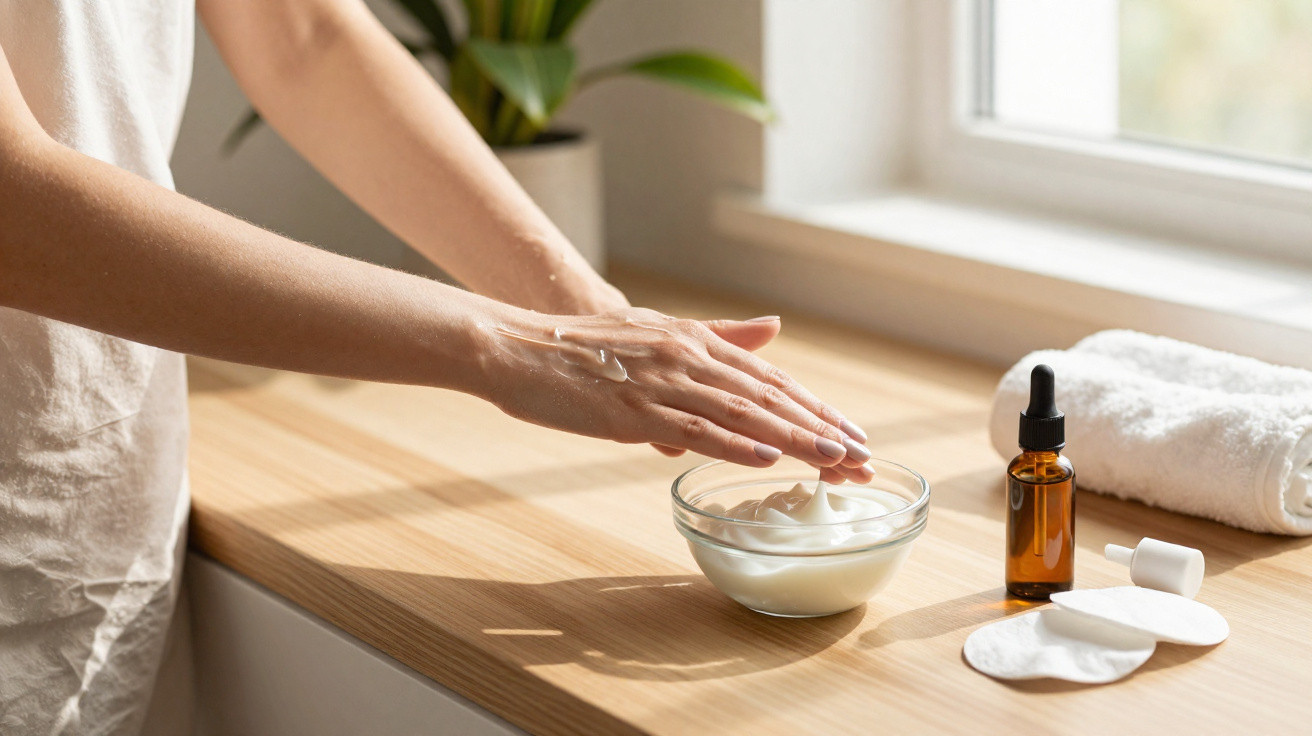
Doing your nails at home can save money, but the effects can sometimes show on your skin too: rough hands, dry cuticles and a tight feeling. Nail polish removers, repeated washing and contact with certain products may all contribute to dryness. With simple, quick mixtures, you can make your routine more comfortable without making it complicated.
Why do hands become drier after a manicure?
Acetone and other removers are effective at taking off nail polish, but they can also strip away some of the natural oils on the skin’s surface. When these products repeatedly touch the fingers and cuticles, it is common for skin to feel drier soon afterwards.
Frequent washing during a manicure may also play a part, particularly when soap is used repeatedly or the water is very hot. It is best to avoid overdoing it and moisturise your hands after using remover, especially if your skin tends to become rough easily.
Which simple mixtures can help your routine?
There is no need to make complex recipes or keep tubs of homemade mixtures in the bathroom. Each of these three options can be prepared in only the amount needed at the time, using straightforward products and adjusting the consistency to suit the manicure stage or time of day.
- After using remover, combine a small amount of cream with a few drops of glycerine.
- Use warm water and mild soap to remove residue before beginning your manicure.
- Mix cream with a few drops of water directly in your hand for a lighter daytime application.
Consistency matters more than quantity. Overly thick layers can make hands unnecessarily sticky, whereas small amounts spread well are generally more practical for fitting care into your routine, including between tasks during the day.
How should cream and glycerine be used after remover?
Once you have fully removed the nail polish and cleaned your hands, place a small amount of cream in your palm and add a few drops of glycerine. Blend them just before applying, then spread the mixture over your hands and cuticles, paying particular attention to areas that feel rougher.
Glycerine is a humectant ingredient that can help retain water in the skin’s outermost layer when it is used in a suitable formula. Adding a small amount to cream can therefore make application feel more comfortable after using acetone or nail polish remover.
Watch the video shared by the YouTube channel Dra. Marina Hayashida, which offers tips on caring for dry, dehydrated hands.
Can warm water and mild soap help before a manicure?
Before applying nail polish, basic cleansing can remove dust, product residue and oil from the hands. Choose warm rather than very hot water with a mild soap. Then dry thoroughly, particularly around the nails, before moving on to the next steps.
There is no need to wash your hands several times throughout the process. The more frequently some people come into contact with water and cleansing agents, the greater the feeling of dryness may be. One careful, focused cleanse is usually enough to prepare the area.
How can you moisturise hands without making them feel heavy?
During the day, anyone who avoids cream because they dislike a sticky finish can try a simple adjustment: put a small amount of moisturiser into your hand and add a few drops of water before spreading it over the skin. This creates a lighter texture and may make quick reapplications easier after washing your hands.
Care does not have to stop once the nail polish has dried. Notice how your skin responds to acetone, washing and the products used during your manicure, and moisturise before dryness becomes severe. The next time you do your nails at home, keep your cream nearby and make a few seconds of care part of your routine.



Comments
No comments yet. Be the first to comment!
Leave a Comment