
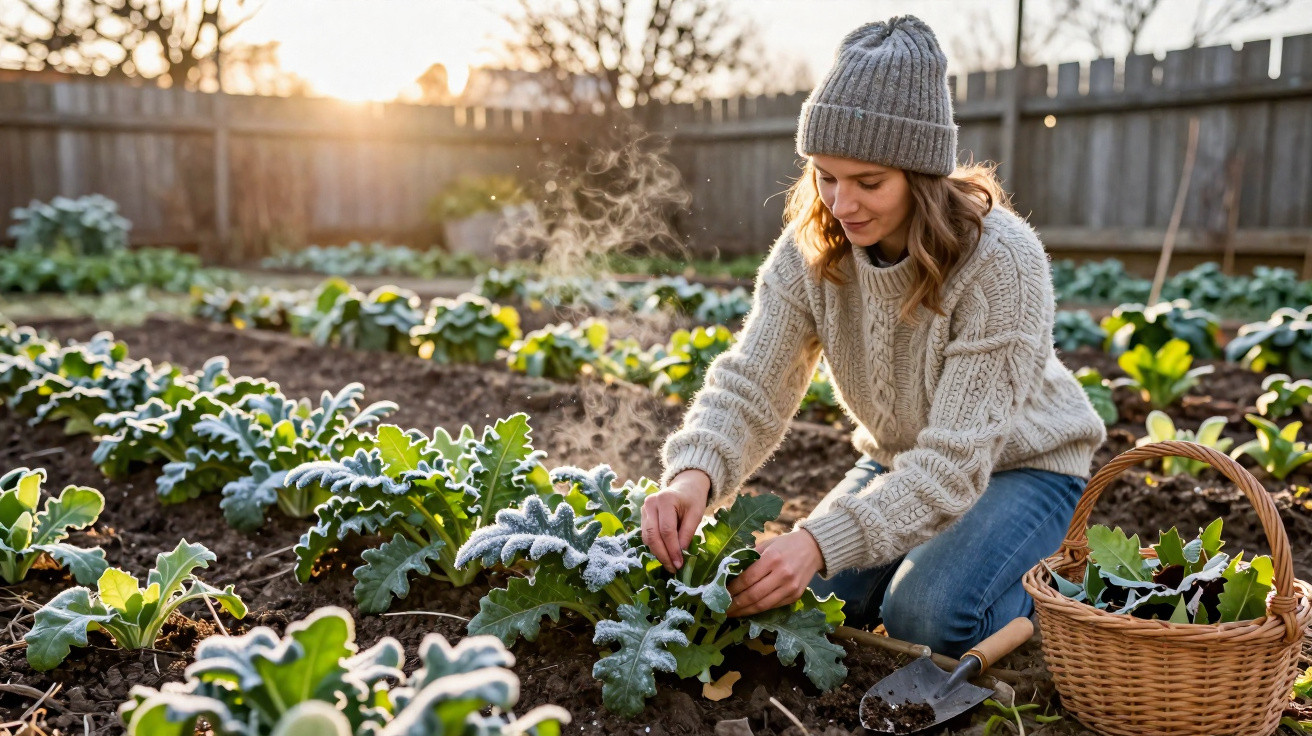
Many amateur gardeners leave their beds bare in late winter, patiently waiting for the “official” start in March or April. In doing so, they quietly give away valuable potential. Right now, a simple method can turn the soil into a nutrient-rich, loose and far more productive base for every upcoming sowing – requiring almost no effort and no expensive equipment.
Why bare soil in winter is a genuine mistake
Although uncovered soil may look tidy, it creates problems in a vegetable garden. Rain beats down on it without restraint, wind dries it out, and changing temperatures put soil life under stress. At the same time, weeds take every opportunity to establish themselves.
Late winter can instead be used to protect the ground while enriching it with nutrients at no cost. The best option is a fast-growing green manure crop that starts growing even in cool conditions and covers the soil like a living blanket.
“Sow in February and you will have fertile beds in April – without a marathon of digging.”
White mustard’s key role: germination begins at 5 degrees
Tomatoes, peppers and courgettes need warmer conditions, but one plant becomes active while the thermometer is still hesitant: white mustard, commonly sold simply as “mustard-based green manure”.
It has one particular advantage: its seeds begin to germinate once the soil reaches around 5 degrees. This makes it ideal for sowing from mid-February, or slightly earlier or later depending on the region.
While other crops rot in cold conditions or fail to get going at all, this plant benefits from cool, moist soil. It uses the period when nothing else is happening in the bed to form roots and rapidly produce green growth.
How to identify the right time in late winter
- The ground is no longer continuously frozen.
- Daytime temperatures are generally well above 0 degrees.
- The soil can be lightly raked without becoming smeared or sticky.
In many areas, these conditions arrive between the middle and end of February. If you are unsure, use a simple soil thermometer – once it reaches 5 degrees, you have the green light.
After just ten days: a green carpet instead of weed chaos
The greatest benefit of this plant is its speed. Once the seed has been scattered by hand over lightly loosened soil, the first dense lines of seedlings are usually visible after only about ten days.
This rapid start leaves weeds with very little opportunity. The plant occupies the bed and takes the light, nutrients and space that unwanted species would otherwise use.
“A dense green manure carpet acts as a natural weed barrier and protects the soil from erosion.”
At the same time, the plant cover works as a protective shield. Heavy rain no longer washes away the top layer of soil as easily, the ground is less prone to capping, and moisture is retained for longer. This is especially valuable after a wet winter.
The six-week rule: the ideal time to cut it down
Timing is essential if this green manure is to deliver its full potential. The crucial action is to cut it down early enough, before it produces seed.
Around six weeks after sowing – usually shortly before flowering or as the characteristic yellow flower clusters begin to appear – the plant contains its greatest nutrient reserve. This is exactly when to use a scythe or shears.
Why allowing seed formation can become a trap in the bed
- The stems become woody and break down much more slowly.
- The plant draws nutrients from the soil to develop seeds.
- There is a risk that it will self-seed uncontrollably.
If you cut the plant while it is still soft and succulent, then work the material shallowly into the upper soil layers, decomposition happens quickly. Microorganisms break down the green material and release nutrients, especially nitrogen.
“The bed receives a natural nitrogen boost, perfectly suited to the vegetable crops planned for spring.”
More air in the soil: roots do the work instead of the spade
Alongside its nutrient effect, mustard offers a second benefit that is often underestimated: its strong taproot. It grows deep into the earth and branches extensively, creating fine channels that loosen the soil.
Once these roots die back, they leave spaces through which air and water can circulate more effectively. Rainwater can penetrate the ground but is less likely to pool. The soil later feels crumbly, loose and much more pleasant to work.
Anyone planting lettuce, spinach, early carrots or radishes in March will notice the difference immediately: plants are easier to set out or sow, roots penetrate more deeply, and waterlogging occurs far less often.
Measurable results: up to 18 per cent higher yields
The benefit is not merely visible. Long-term trials in vegetable growing show clear yield increases when mustard-based green manure is used before main crops and incorporated before flowering.
On average, yields from the following crops increased by around 18 per cent. In a home garden, this can quickly mean:
- more tomatoes per plant,
- larger kohlrabi or lettuce heads,
- denser carrot rows with fewer losses.
This is based on three combined effects:
- Looser, better-aerated soil that roots can penetrate more easily.
- A natural nitrogen reserve that becomes available promptly.
- Less competition from weeds thanks to dense winter ground cover.
Practical guide: how to use mustard plants effectively in the garden
Step by step towards a fertile bed
- Prepare the soil: Remove coarse plant debris and lightly roughen the surface with a rake.
- Sow: Scatter the seed evenly, avoiding excessive density while covering the whole area as far as possible.
- Rake in: Lightly rake the seeds in or cover them with a thin layer of soil.
- Water: In dry weather, firm the surface or moisten it with a watering-can rose.
- Let it grow: Allow it to grow undisturbed for about six weeks.
- Cut down: Cut it close to the ground shortly before full flowering.
- Incorporate: Work the green material in shallowly rather than burying it deeply.
After a resting period of one to two weeks, the bed can be planted or sown as usual. If you intend to grow particularly sensitive crops, wait slightly longer until most of the plant material has rotted down.
Important points: when this green manure is unsuitable
Effective as it is, this plant does not suit every bed. The same plant family includes brassicas such as white cabbage, Brussels sprouts, broccoli, cauliflower and radishes. Where these crops are, or have been, heavily grown, choose an alternative to avoid encouraging diseases and pests from the same group.
For beds devoted solely to brassicas, other green manure crops are more suitable, including mixes of clover species, phacelia or certain cereals. They retain the beneficial effects on the soil without extending disease cycles.
Benefits for soil life, climate and your wallet
Using this winter technique regularly does more than increase yields: it strengthens soil fertility over the long term. Soil life – earthworms, fungi and bacteria – receives a continual food source in the form of roots and plant residues. The humus layer gradually builds up, while the soil’s capacity to retain water and nutrients increases.
It also reduces the need for bought-in fertiliser. A bag of green manure seed costs little, can be used across several beds and over several years, and replaces a substantial share of the nutrients that would otherwise be added to the soil as artificial fertiliser.
Anyone who has experienced how easily a bed can be worked after a well-managed green manure crop will usually not want to go without the effect again. What seems like a lifeless winter bed becomes an active nutrient and root factory with a simple scattering of seed – and the main vegetable season begins with a clear advantage.






Comments
No comments yet. Be the first to comment!
Leave a Comment