
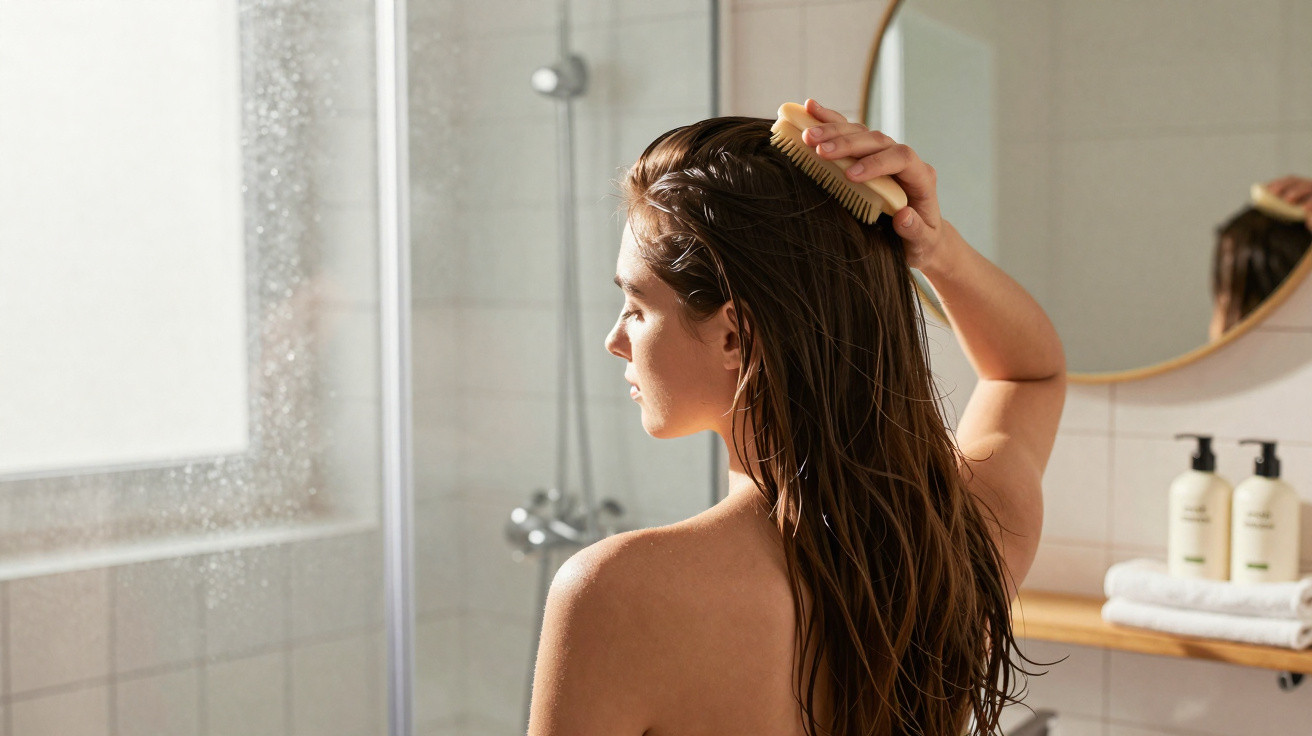
The scalp often receives less attention than the lengths of the hair, even though it is also exposed to sweat, natural oil and product residue. One straightforward step during washing can make a difference: cleanse this area properly, without treating the roots in the same way as the ends.
Why does the scalp need proper cleansing?
The skin on the scalp produces natural oil and can collect sweat, skin cells and residue from products used as part of a haircare routine. Cleansing helps clear away this build-up and keep the area clean, although the ideal frequency may differ according to oiliness, hair texture and each person's routine.
Washing too infrequently can allow residue to build up, while overly harsh cleansing may lead to dryness or irritation. The aim, therefore, is not to scrub the head vigorously, but to wash in a way that suits the scalp's characteristics.
What distinguishes the roots from the hair lengths?
The scalp is skin, whereas the lengths of the hair consist of fibres that do not have the same ability to recover from damage. As a result, the washing product and method may require a different approach for each area.
When washing, shampoo is generally applied mainly to the scalp, where cleansing is needed. The lengths are cleansed by the foam that runs through them during rinsing, while conditioner is usually applied to sections further from the roots, following the product instructions.
How can you cleanse the scalp without neglecting the hair?
Wet the hair thoroughly, then apply a suitable amount of shampoo to the roots. Massage gently using your fingertips, rather than your nails, and avoid forceful movements that could irritate the skin.
Next, rinse thoroughly to remove the product and check whether any residue still seems to be present. Conditioner should be used according to your hair type and is generally concentrated on the lengths and ends, avoiding the scalp unless the product is designed for use there.
Who should adjust this care, and in which situations?
People with an oilier, drier or more sensitive scalp may need a different routine. The same applies to those who use styling products, oils or leave-in cosmetics, as build-up can vary depending on the amount used and how often they are applied.
If there is persistent itching, severe flaking, sores, pain or more hair loss than usual, cleansing at home should not be the only attempt to address the issue. In these situations, an assessment by a dermatologist may help identify the cause and recommend the appropriate care.




Comments
No comments yet. Be the first to comment!
Leave a Comment