
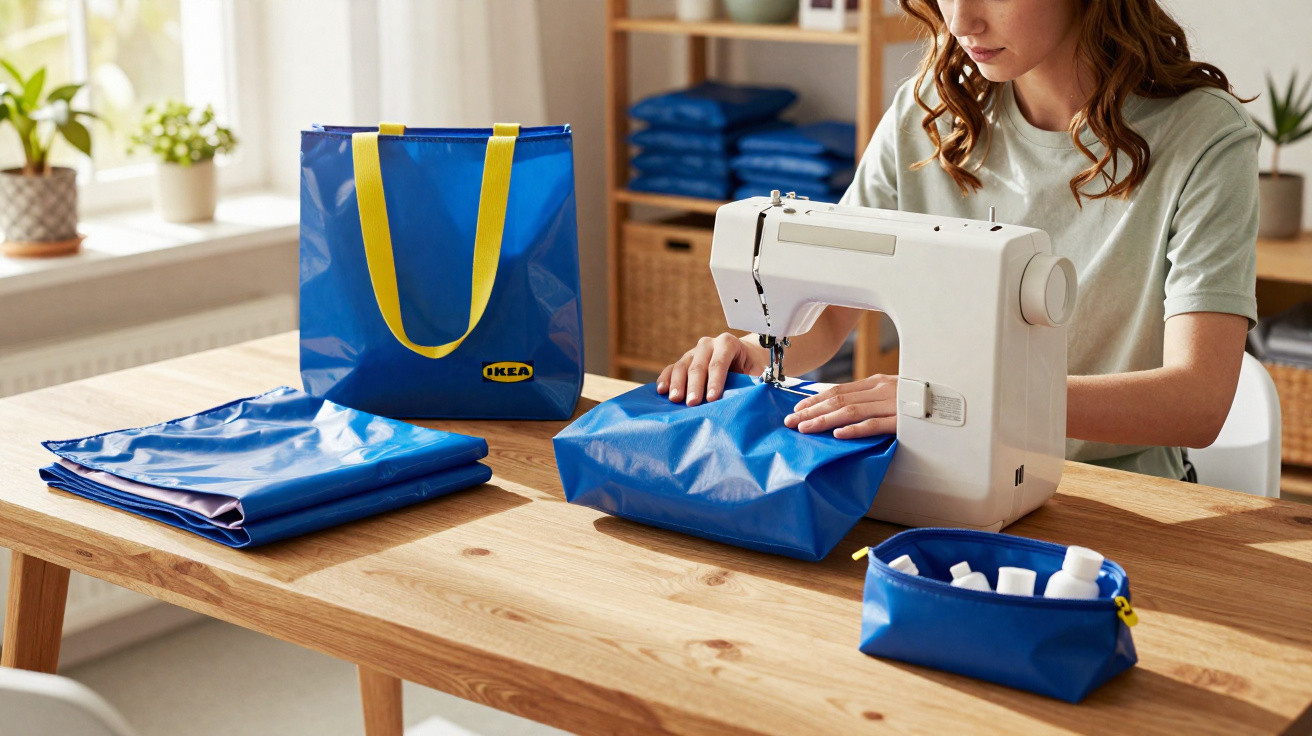
Many households have one tucked away in a hallway, car boot or at the back of a cupboard: the large blue bag from the Swedish furniture giant. Often dismissed as a simple shopping bag, it is actually a tough starting material for several surprisingly useful sewing projects – from an iconic wash bag to a picnic blanket.
Why the blue IKEA bag is ideal material for sewing
The familiar blue bag is made from 100 per cent polypropylene, an exceptionally durable non-woven synthetic fabric. It is sturdy, retains its shape and naturally repels water. Splashes, sand, dirt and friction cause it little trouble, while its surface can quickly be wiped clean with a damp cloth.
“Polypropylene is tough, easy to clean and almost perfect for durable everyday DIY projects.”
The carrier bag is designed to hold around 25 kilograms. Turning it into something new makes full use of that strength: seams are more durable, the fabric does not stretch out, and finished pieces can readily last through several summers at the beach or years of use in the bathroom.
Another advantage is that the material does not fray. That makes it far easier to work with and eliminates the need for time-consuming edge finishing. For hobby sewers with limited time or experience, this is particularly valuable.
Three surprisingly easy projects from one IKEA bag
Project 1: A wash bag that handles leaking bottles
A classic upcycling project is a wash or cosmetics bag that will not be ruined if shampoo or shower gel leaks. Making one is pleasingly straightforward.
- Carefully unpick the side seams of the carrier bag.
- Lay the largest possible flat section open.
- Mark out and cut a rectangle in the desired size.
- Sew a zip along what will become the top edge.
- Close the side seams with a straight stitch; if required, stitch the corners to create more depth.
Its water-repellent surface reliably keeps moisture inside. The rest of your luggage therefore stays clean and dry. For a neater finish, bind the exposed edges with cotton bias tape. The distinctive blue or yellow handles also make especially striking contrasting strips.
Add just a few centimetres of length and the same basic design becomes a dedicated pouch for wet swimming things. After a trip to the pool or beach, bikinis, swimming trunks or children's clothes can go straight into it, keeping the rucksack dry.
Project 2: An XXL beach bag that copes easily with sand and water
This second idea is for anyone who heads to the lake or seaside every year with towels, balls, armbands and sun cream. A single blue bag can become a huge and highly practical beach bag.
Start with the existing shopping bag. Reinforce the base by sewing on an extra layer of the same material, so it bends less under a heavy load. Topstitch close to the edges of the sides to help the bag keep its shape.
Inside, it is worth adding one large zipped pocket running across the full width. This gives a secure, sand-protected place for a phone, wallet and keys. Since the material does not absorb moisture, a brief rinse under the shower after a day by the water, followed by some air-drying, is enough.
“The beach bag made from the blue bag is lightweight, robust and ready to use again after a sandy day with just a few simple steps.”
If you tend to pull hard on the handles, reinforce them with visible rows of stitching. This not only gives a sporty appearance but also spreads the pulling force more effectively. Families with several bags can combine two to create a proper transport solution for all their beach gear.
Project 3: A picnic blanket that is not bothered by damp grass
The third project moves beyond the standard bag: a picnic or play blanket with a moisture-proof underside. Join several polypropylene panels together until they form a large rectangular mat.
Add a comfortable top fabric, such as an old sheet or unwanted bedding. If you would like a softer surface, place a thin layer of wadding or an old fleece blanket cut to size in between. Sew all layers together around the edge, as with a sandwich.
The water-repellent underside stops cold and moisture from coming through the ground, while the fabric upper side remains comfortable and kind to the skin. Wide bindings, made from fabric tape or the blue handles, protect the edges against wear.
A sewn-on carrying loop plus a hook-and-loop fastening or strap allows the blanket to be rolled up compactly. After a picnic on dusty ground or wet grass, simply wipe the underside with a damp cloth and it is ready for the next outing.
How to sew polypropylene without frustration
Before cutting, wash the bag thoroughly, for example in warm soapy water. The material then dries remarkably fast. Next, carefully unpick the seams to create the largest possible panels, which can serve as the basis for pattern pieces.
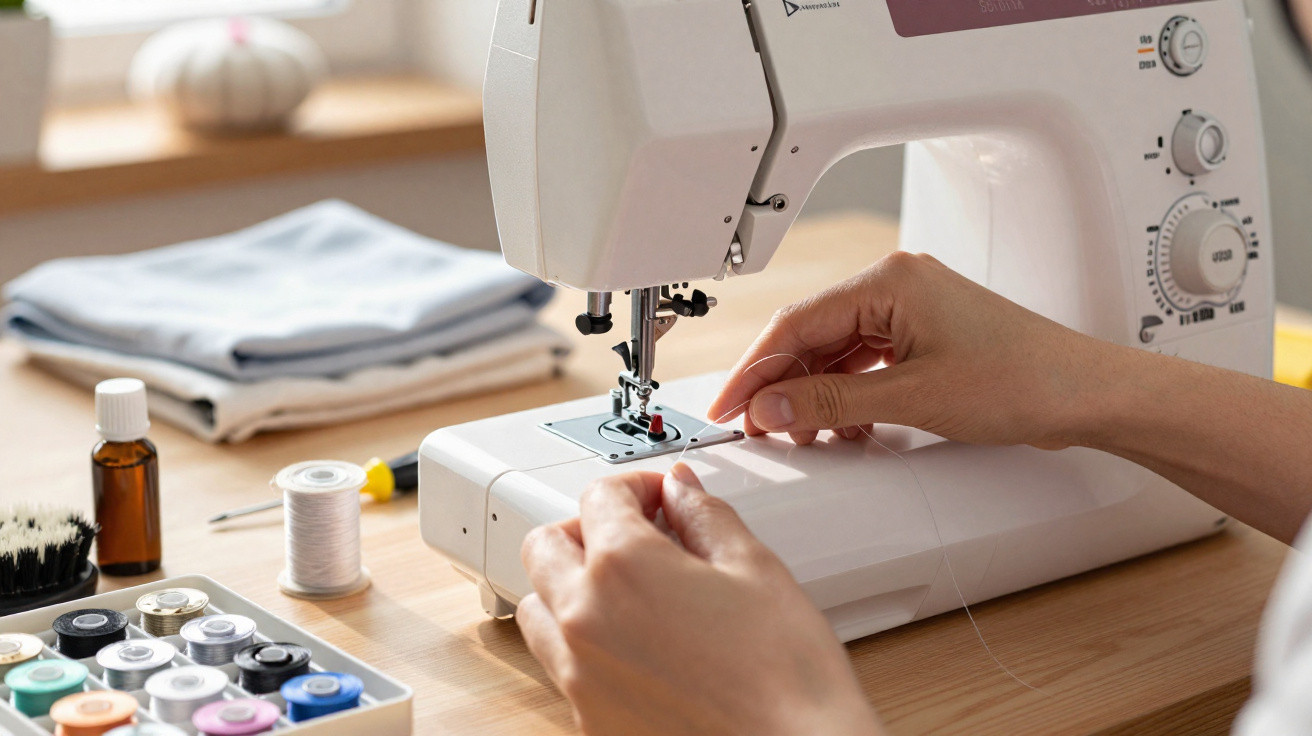
For a sewing machine, use a size 90 or 100 denim needle. A straight stitch measuring 3 to 4 millimetres in length prevents too many punctures close together from weakening the fabric. Polyester thread is sufficiently tear-resistant and works well with this synthetic material.
- Use a large needle size for the thicker material.
- Choose longer stitches to avoid lines of perforations.
- Avoid pins in visible areas; use sewing clips instead.
- Bind edges with fabric tape or strips cut from the handles.
Without a professional overlocker, leave the edges raw and cover them later with bias tape or cut handle strips. This prevents sharp edges and gives the projects a tidy, almost industrial-looking finish.
Other uses for handles and offcuts
Once a bag has been taken apart, plenty of small pieces usually remain, and they can initially seem useless. These leftovers are especially good for small organisational aids. Covers for passports, ID cards or notebooks are quick to sew and forgiving of imprecise cutting. Simple cases for sunglasses or cables can also be made in minutes.
The sturdy handles can be turned into key lanyards, hanging loops for towels or practical tabs for attaching carabiners. In drawers, rectangular offcuts act as flexible dividers that stop small items from becoming a jumbled mess.
“Anyone who uses every scrap can turn a single shopping bag into a small set of everyday helpers – from a key lanyard to drawer dividers.”
Why upcycling IKEA bags is more than a trend
The blue plastic bag represents a wider problem in consumer society: durable packaging and carrying solutions that are thrown away after only a few uses. Using it as a sewing material significantly extends its useful life, reducing the need for newly manufactured materials for bags, covers and blankets.
Polypropylene is particularly difficult to recycle when it is dirty or bonded to other materials. Every extra period of use therefore saves resources, energy and emissions that would otherwise result from making new synthetic fibres. Upcycling is more than a craft trend; it has a direct effect on your own environmental footprint.
Anyone who has worked with this material soon develops a feel for both its strengths and limitations. It is poorly suited to clothing but particularly effective for functional accessories. Typical uses include:
- Protective liners in the car for plants or pets
- Waterproof inner pockets for rucksacks
- Covers for garden chairs and equipment
- Bags for sports shoes or wet towels
Its characteristic blue shade makes a bold, almost pop-like statement in everyday use. For a more understated look, pair it with calm beige, grey or black fabrics. The result is an item that does not look like a makeshift solution, but like considered design with a playful touch.
Polypropylene also offers a useful additional benefit: its surface absorbs hardly any odours and can be cleaned repeatedly without difficulty. This makes finished projects particularly useful wherever conditions are regularly damp, sandy or dirty – in the bathroom, children's bedroom, car or on days out.
Comments
No comments yet. Be the first to comment!
Leave a Comment