
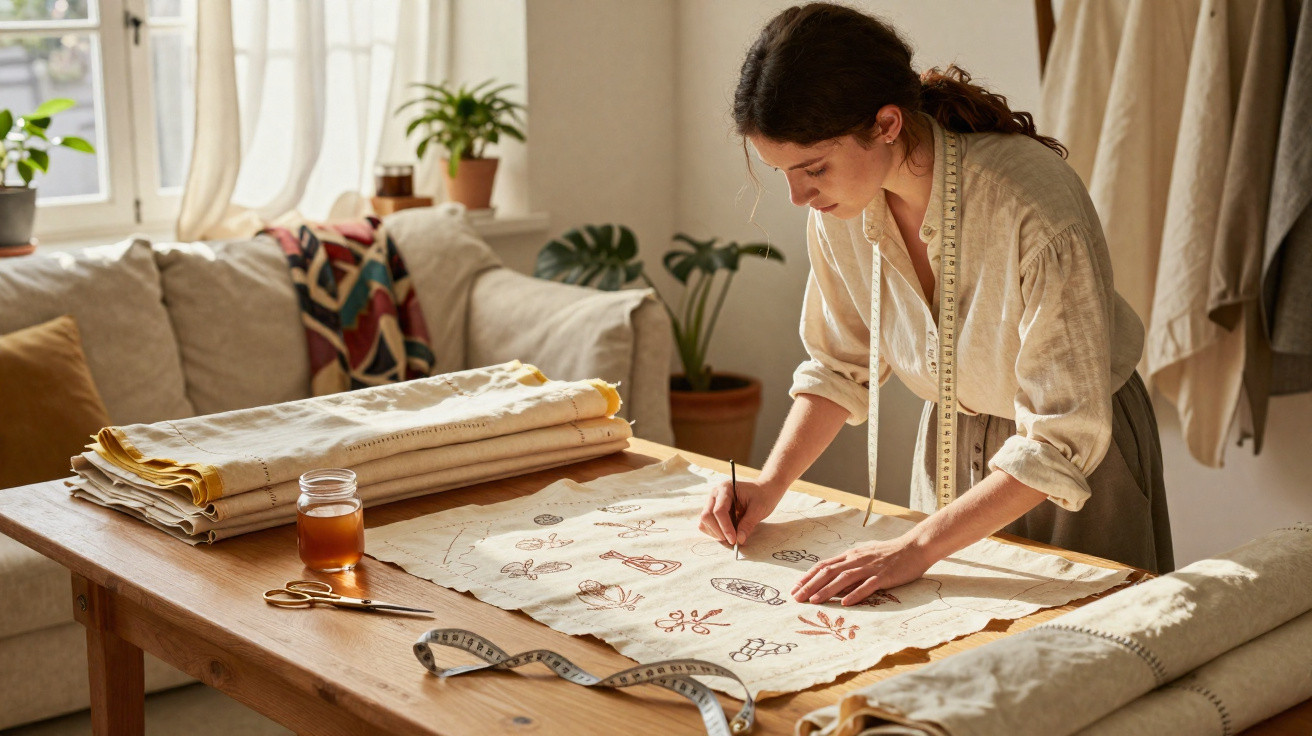
If you still have a stack of old linen sheets or tablecloths tucked away in a cupboard, you are sitting on a small treasure trove. In 2026, vintage linen has become the understated star of the slow-decor scene: it is durable, luxurious to the touch and ideally suited to sewing high-quality home accessories or even clothing. What may look like outdated fabric can become pieces that easily rival boutique products.
Why old linen is suddenly in demand
Current interiors trends are moving away from newly bought goods and towards textiles with a history. Embroidered monograms, delicate drawn-thread hems and heavyweight linen no longer feel old-fashioned; they now signal a considered, premium choice.
“Old linen sheets offer a quality that many modern fabrics can barely match at the same price – often for just a few pounds from a flea market.”
There are several practical reasons for this:
- Higher fabric weight: Linen woven before the Second World War often weighs around 150–250 g/m², whereas many mass-produced fabrics today are closer to 110 g/m².
- Long fibres: Slowly retted flax or hemp creates a dense, durable cloth with a weighty drape and excellent breathability.
- Good dye absorption: Older cotton and linen fabrics can often be dyed more successfully because their fibre structure is more porous.
- Sustainability: Every additional use of existing fabric saves resources and reduces environmental impact.
For hobby sewists and professionals alike, old sheets are especially appealing because they provide plenty of fabric, ready-made hems and decorative details. Rather than purchasing expensive fabric by the metre, you can work with existing material and often end up with one-off pieces that feel exceptionally valuable.
How to identify and prepare good old linen
Before reaching for the scissors, inspect the fabric carefully. A methodical approach helps preserve the best sections and prevents damage during washing.
Checking the quality
It is best to examine the fabric in daylight:
- Hold it up to the light: Set aside thin, nearly transparent areas in the centre of a sheet.
- Inspect the edges: Outer sections are often in better condition and are ideal for cushions, curtains or garment details.
- Feel the texture: Quality linen feels dense and slightly textured, with a comparatively heavy drape.
- Plan around embroidery and monograms: Use these areas deliberately, perhaps as a focal point on a bag or cushion.
Experienced sewists say that a complete trousseau set from the 1930s can yield up to around four square metres of high-quality linen. Compared with buying new premium linen, this can quickly save £80 to £120, depending on the project.
Gentle cleaning to remove yellowing and stains
To ensure the fabric makes a confident appearance in its new form, give it a thorough yet gentle treatment:
- Preparation: Shake out coarse dust and remove any loose threads.
- Whitening soak: Dissolve around two tablespoons of sodium percarbonate per litre in very warm water, then soak the fabric for several hours.
- Wash cycle: Choose a long programme at about 60°C and keep the spin speed fairly moderate, at roughly 800 rpm.
- Treat rust marks: Apply lemon juice directly, sprinkle with salt and place the fabric in sunlight until the marks fade.
- Iron while damp: Iron the fabric when it is still slightly damp for an especially smooth, elegant drape.
“Ironing linen while it is slightly damp creates that characteristic, subtly glossy luxury finish otherwise associated with high-end hotels.”
From bedding to designer pieces: high-value home ideas
In 2026, old linen sheets are appearing in entirely new places throughout the home. Instead of remaining in a cupboard, they can hang at windows, be draped over sofas or be worn as clothing.
Dyed sofa throws with a trend-led look
Large, loosely draped sofa throws in a Shibori style are particularly popular. The linen is folded, tied and then dyed, creating a gently irregular pattern that looks highly contemporary.
A typical process for this type of throw is as follows:
- Fold the fabric like an accordion, then fold it diagonally several times.
- Secure it firmly so the folds remain in place during dyeing.
- Soak the fabric in vinegar water beforehand to help the colour bind more effectively.
- Use fabric dye at around 40°C, with ordinary salt serving as a fixing aid.
- Allow it to dry in the shade so the colours do not fade.
Warm terracotta or muted sage green works particularly well with lightly yellowed linen. Imperfections recede and the cloth can suddenly look as though it has come straight from a design studio. Leftover pieces can become matching cushion covers with an envelope closure – simple to sew, yet highly effective.
Curtains, bed styling and small storage solutions
If you prefer a neutral finish, leave old linen in its natural state. With only a few seams, an embroidered top sheet can become an airy boho-style curtain: retain the original hems and position the monogram decoratively at the lower edge.
Popular projects include:
- Boho curtains: Sew a rod pocket at the top and let the old border remain visible at the bottom.
- Bedspreads: A large sheet trimmed only slightly gives a bedroom an instantly more premium appearance.
- Headboards and bed-frame coverings: Stretch linen tightly over a wooden board, or use it as a fabric covering around the bed frame.
- Drawstring bags and bread bags: Small monogrammed offcuts make practical, decorative everyday accessories.
Clothing from old sheets: wearable upcycling ideas
Anyone with some sewing experience can turn the material into clothing. Linen’s heavy drape looks especially current in relaxed, loose-fitting designs.
Possible projects include:
- Wrap dresses in linen: Simple, roomy cuts benefit from the fabric’s weight and hang elegantly.
- Midi skirts with a button placket: One side of the sheet, with its original selvedge, can be used directly as a finished hem.
- Cross-back aprons: Crossed straps at the back and a large front pocket work particularly well when made from an embroidered section.
- Shopper bags: Sewn in two layers, they can carry substantial weight and look far more premium than basic cotton tote bags.
“The trick is to position pattern pieces so that existing hems and embroidery are deliberately incorporated – it saves work and makes the look distinctive.”
Where to find old linen sheets – and what to look for
The search for suitable material often begins closer to home than expected: within your own family. Many households still have inherited trousseau sets that no one uses. It is often worth asking parents or grandparents.
Several other sources are also worth considering:
- Flea markets and driveway sales: Old sheets generally cost around £5 to £50 here, depending on their condition.
- Second-hand and vintage shops: Specialist retailers pre-select their stock and charge noticeably more for rare pieces, sometimes in the high tens or hundreds of pounds.
- House-clearance sales: Complete bundles can often be bought, making them ideal if you are planning several projects.
When choosing fabric, how it feels in your hand matters almost more than any label. Useful signs include:
- The fabric feels weighty and dense.
- Fine openwork embroidery and elaborate monograms suggest carefully made goods.
- Light yellowing is not a concern, but it is better to avoid severe creasing damage or holes in the middle.
First projects for beginners and what helps
If you have never sewn with old linen before, begin with straightforward pieces. Three ideas make particularly good starting points:
- Dyed sofa throw: A rectangular piece with only the sides hemmed delivers quick results and requires very little technique.
- Simple cushion covers: An envelope closure needs no zip and only three seams per cover.
- Decorative wall panel: Stitch an embroidered section onto a plain fabric backing and hang it like a picture.
As your confidence grows, you can move on to loose tops, skirts or aprons. Many pattern companies now offer designs made specifically for linen. Neat seams, even hems and careful pressing dramatically increase the perceived value – transforming an old sheet into an item that could easily hang in a concept store.
What makes linen so special – and what to bear in mind
Linen differs greatly from modern blended fabrics. It helps regulate temperature, absorbs moisture effectively and feels cooling in summer. This creates a noticeable improvement in comfort, particularly for bedding and clothing.
At the same time, linen has its own characteristics:
- It creases more readily, but this suits the casually luxurious look.
- Excessive tumble-dryer heat can weaken the fibres, so air-drying is generally preferable.
- Always dye a test piece before attempting strong colours to avoid surprises.
Once you understand these qualities, you can use them to your advantage. A gently creased curtain feels lively, while a softly pressed bedspread creates a hotel-like atmosphere. Combined with wood, ceramics and natural shades, linen creates an interior look that is both warm and contemporary.
Forgotten linen sheets from the cupboard can therefore move from inherited keepsakes to historic design fabric, turning every sewing project into a distinctive piece with character.
Comments
No comments yet. Be the first to comment!
Leave a Comment