
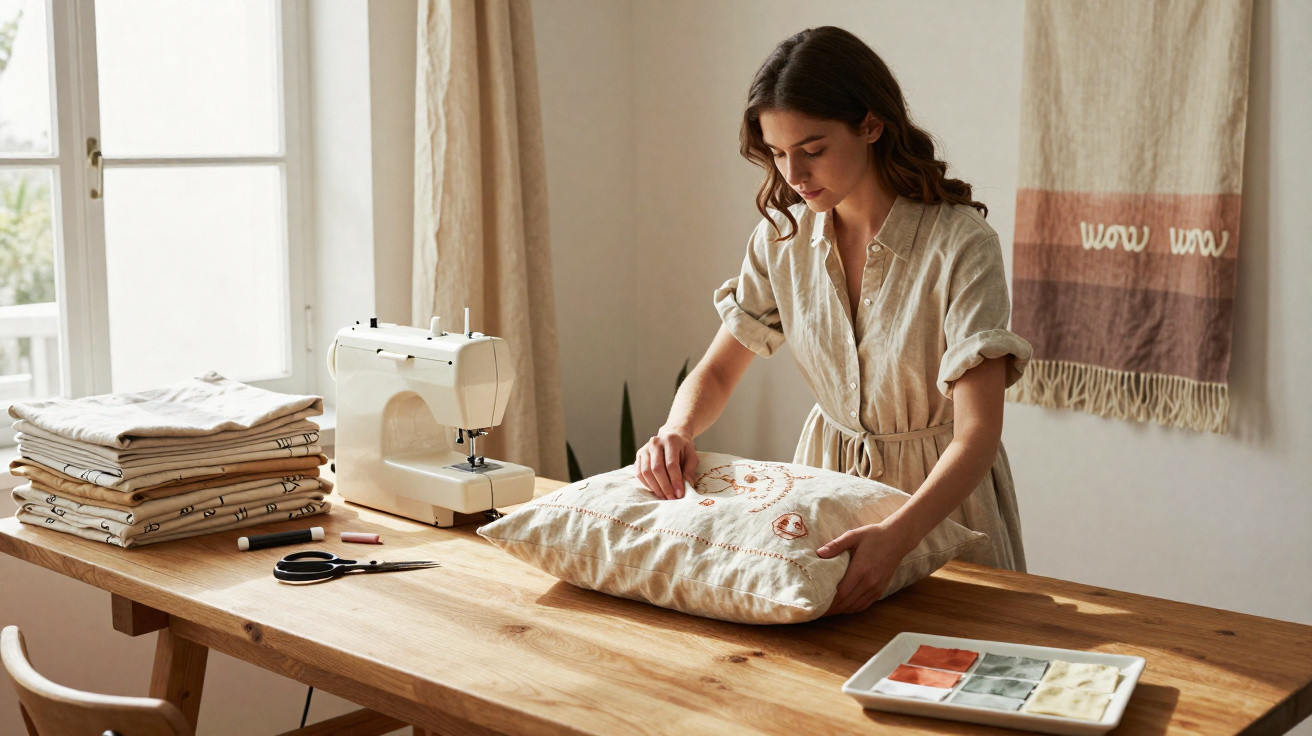
Once dismissed as a dusty inheritance from grandparents, heavy monogrammed linen sheets, old cotton cloths and finely embroidered edges are highly sought-after in 2026. Sewing enthusiasts and slow-living devotees are snapping them up at flea markets, as they can be transformed into premium home accessories and garments that can easily look designer-made.
Why Grandma’s linen sheets are suddenly in demand
Old household linen is currently reappearing on sofas, beds and dining tables in many homes. The appeal is not simply nostalgic: these textiles offer precisely what many people now want-durable materials, skilled workmanship and a visible sense of history.
Searches for lace, embroidery and vintage napkins are booming on Pinterest and sewing forums. The aesthetic known as slow décor deliberately favours natural fibres, tactile textures and subtle imperfections over pristine new products.
Old linen sheets are now regarded as a “noble raw material”: as hard-wearing as studio-quality fabric, yet full of character and patina.
For hobby sewists and professionals alike, these sheets are a fortunate find. Their seams are already in place, hems have been neatly finished, and monograms can become striking focal points. One generously sized sheet can yield an entire mini collection for the home or wardrobe.
How to identify quality old linen
The crucial distinction between vintage and modern fabrics lies in the fibre itself. Linen and linen-cotton blends made before mass consumption, in particular, were produced more slowly and woven more densely.
Typical signs of high-quality old sheets include:
- High fabric weight: often 150 to 250 g/m², considerably heavier than much current bed linen.
- Long fibres: slowly retted flax or hemp creates a smooth, strong yarn.
- Close weave: very little light passes through; the fabric feels firm while remaining breathable.
- Signs of age: yellowing without holes, an even drape and hardly any pilling.
- Details: embroidered initials, broderie anglaise, drawn-thread hems and old selvedges.
Holding a sheet up to the light quickly reveals whether the centre has become badly worn. Often, the edges remain in excellent condition while the middle has weakened after decades of use and washing. Those intact sections are exactly the areas to use for upcycling projects.
Gentle restoration: making yellowed sheets bright again
Before attempting any sewing project, clean and refresh the fabric without damaging its fibres. Many old sheets are made from linen or heavyweight cotton, both of which are resilient-but harsh bleaching agents can make them brittle.
A step-by-step routine for old linen cloths
- Check against the light: discard thin, translucent sections and retain the edges and undamaged areas.
- Pre-treat: soak in very hot water with around two tablespoons of sodium percarbonate per litre. This lifts yellowing without harming the fabric structure.
- Wash cycle: choose a long wash at around 60°C, with a gentle spin of 800 rpm so the fibres do not break.
- Rust marks: rub with lemon juice and salt, then leave to dry in the sun-the light helps to lift the marks.
- Iron while damp: iron the textile when it still has around 20 percent residual moisture. This restores linen’s characteristic weighty, elegant drape.
Many sewists report recovering several square metres of usable linen from a 1930s trousseau bundle, potentially saving between 80 and 120 euros compared with buying new fabric by the metre.
Turning old into elegant: what is especially popular now
A look across social media quickly shows which projects made from old sheets are particularly popular in 2026.
Dyed throws with real impact
Large sofa throws and bedspreads created with folding and dyeing techniques sit at the top of the list. One popular method involves folding the fabric into triangles or stripes before applying textile dye.
The process is straightforward, but the results can be impressive:
- Wash the sheet thoroughly, then pre-treat it while damp with vinegar water.
- Fold it into pleats, arranging it in triangles or concertina-style strips.
- Dye it at around 40°C with colourfast textile dye, often adding a little salt to the water so the colour fixes well.
- Let it dry in the shade to prevent uneven colour breaks.
If the sheet began slightly yellowed, warm shades such as rust red or soft greens disguise the ageing and add a homely warmth to the room. Many people also turn the leftover edge sections into matching envelope-back cushion covers-simple straight seams with a strong living-room effect.
Bohemian curtains, bed canopies and more
Another favourite is airy bohemian-style curtains. The original hem is retained, while the monogram is deliberately positioned in view at the lower edge or in one corner. Anyone who finds two matching sheets can create a complete window set with minimal effort.
Other popular options include:
- narrow bed runners with decorative lace down the sides
- padded upholstered headboards
- slatted bed bases or divan bases covered as a “textile plinth”
The weighty fabric makes even basic rectangular shapes hang elegantly. Often, little more than a neat hem and precisely pressed edges is required.
Fashion from old linen: timeless rather than costume-like
It is not only home projects that benefit from exploring the linen cupboard. Heavy linen is also ideal for clean-lined summer clothing.
For example, one large sheet can become:
- a wrap blouse or wrap dress with a tie belt
- a calf-length button-front skirt, using the old selvedge as the finished hem
- a cross-back kitchen apron with a large pocket featuring an old monogram
- a sturdy shopper or bread bag for everyday use
The generous fabric width and existing hems make cutting out easier. Many patterns can be laid out so that hardly any new hemming is needed. This saves time while preserving the material’s historical charm.
Where to find good old sheets today
Those without access to the family loft can still find them in several places. Prices vary greatly, however, depending on condition and rarity.
| Where to look | Price range | Special features |
|---|---|---|
| Flea market, house clearance sale | approx. 5–50 euros per item | often barely examined, with potential for excellent bargains |
| Second-hand and vintage shops | mid-range | pre-selected, often already washed, with minor flaws labelled |
| Antique dealers | up to several hundred euros | rare monograms, elaborate embroidery, almost flawless condition |
When buying, test the weight in your hands and inspect the edges closely. Dense, heavy fabrics with delicate embroidery are often undervalued because many shoppers see them only as “old bed linen”-yet they are worth their weight in gold for sewing projects.
Ideal beginner projects for novice sewists
Anyone using historical linen for the first time should begin with simple, straight-edged projects. This helps you understand the material and avoid frustration.
Reliable starter projects include:
- a large sofa throw with dyeing or contrasting topstitching
- two to four envelope-back cushion covers to match the throw
- a wall hanging or curtain that showcases an existing broderie anglaise edge
Once these are going well, clothing is the natural next step: loose kaftans, oversized shirts and pinafore dresses are forgiving of small inaccuracies while still allowing the fabric to shine.
What to consider when working with old linen
Despite its many advantages, working with historical fabric has a few particular considerations. Knowing them helps prevent disappointment:
- Hidden weak spots: old crease lines can eventually split. Plan your cutting layout generously around these areas.
- Slight shrinkage: wash the sheet once or twice at a high temperature before making anything, allowing the fabric to settle.
- Irregularities: small thickened sections of yarn and weaving flaws are normal, and form part of the look.
- Dye reactions: test a small corner before dyeing, especially with blended fabrics.
For anyone focused on sustainability, these projects are an especially sound choice. They extend the life of textiles already produced, avoid the need to buy new fabric by the metre and deliver something that looks noticeably more premium in everyday use than standard goods from a furniture retailer.
Alongside classic linen, similar ideas work with old table linen, cotton towels or damask bed linen. The key is always to inspect carefully: assess the quality by touch, choose natural fibres where possible and look for sturdy edges. A forgotten pile of household linen can then quickly become the quiet star of the living room-and sometimes even a piece that comfortably reaches boutique standard.
Comments
No comments yet. Be the first to comment!
Leave a Comment