
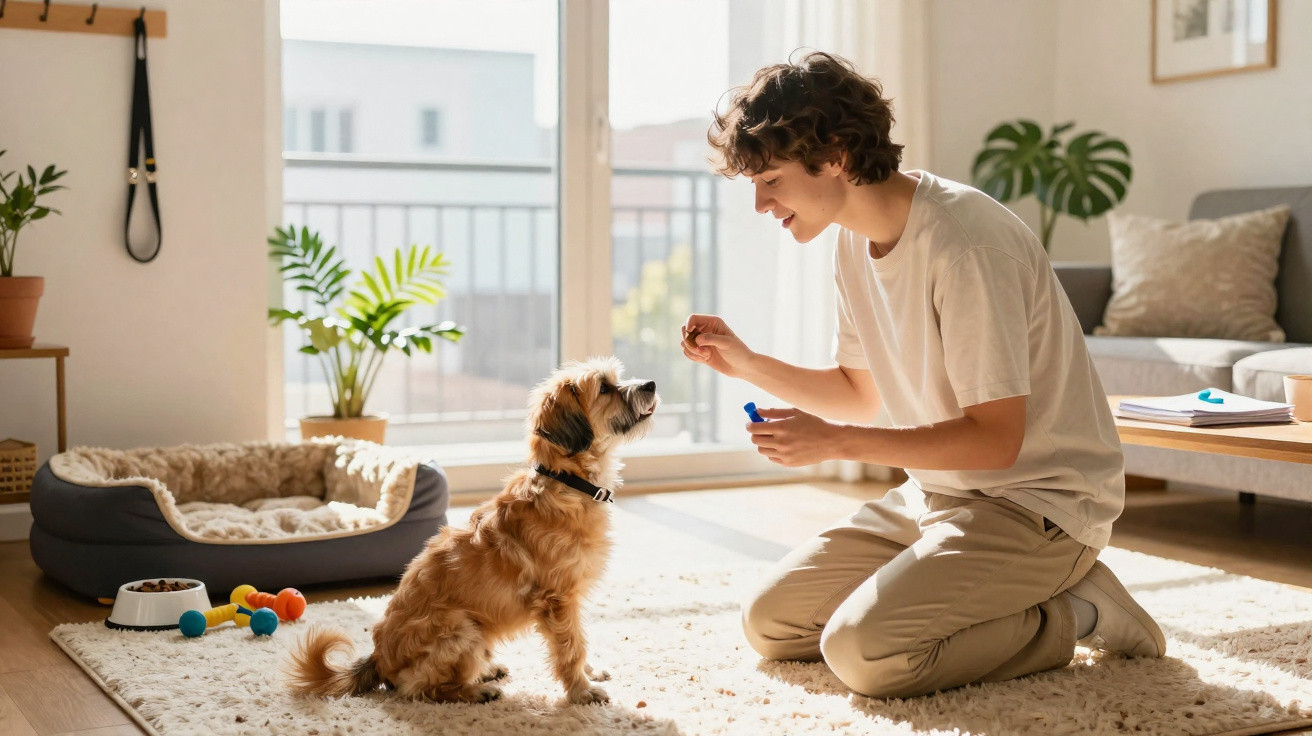
Living in a smaller home calls for careful planning before bringing a pet into the household. Selecting the right companion means considering its behaviour alongside the available room, so that life together remains harmonious. Understanding the genuine challenges helps prevent unwelcome surprises in your urban routine with your dog.
Which breeds adapt best to a flat?
Some small breeds have traits that make settling into compact homes easier. Dogs that shed less or have a quieter temperament are often the preferred choice for urban owners. Making this considered decision supports safety where space is limited.
Even so, every breed has behavioural needs that should not be overlooked before adoption. Knowing these distinctions makes it easier to match expectations to the realities of everyday life. As a result, an owner can provide an excellent quality of life for their pet.
Here are the main breeds mentioned and their defining characteristics:
- Yorkshire Terrier: Small and low-shedding, but it has guard-dog instincts and may bark frequently.
- Maltese: Very gentle and does not shed, although it needs attention because its health can be more delicate.
- Shih Tzu: Very affectionate and quiet, but susceptible to eye problems, dermatitis and genetically based coprophagia.
- Lhasa Apso: More independent and hardier because it does not have a flat muzzle, but it requires thorough socialisation from an early age.
- German Spitz: Its small size suits flat living, although it tends to bark often and shed heavily.
How can you manage a routine and barking in a small space?
Living in a block of flats requires attention to noise to prevent difficulties with neighbours. Some small breeds are prone to frequent vocalisation when left alone. Establishing a programme of activities can help the dog remain more calm and obedient.
Teaching a dog to be alone in a positive way is essential for owners who work away from home. Distress caused by unsuitable isolation can lead to issues that are hard to reverse. Investing in training can prevent the feared anxiety in your companion.
To understand the ideal choice in greater detail and see exclusive advice on canine behaviour, watch the full video on the Tudo Sobre Cachorros YouTube channel:
Which health problems are common in small dogs?
Many small dogs have a genetic predisposition to particular conditions that demand ongoing medical attention. Certain breeds experience anatomical alterations that directly affect their day-to-day health. Recognising these signs enables swift action with a doctor specialising in veterinary medicine.
Health Care
Take Care With Brachycephalic Dogs
Dogs with flat muzzles, such as the French Bulldog and Pug, are extremely sensitive to marked temperature changes. Excessive heat can seriously affect these animals' respiratory systems, creating severe risks of fainting during long walks.
In addition, substantial fur loss and chronic skin conditions require continuous, costly treatment. Regular spending on medicated shampoos and special food becomes essential to maintain the pet's clinical stability.
By contrast, animals with longer muzzles generally show greater physical resilience to extreme weather changes. However, they face other significant clinical vulnerabilities, including frequent joint dislocations. Having regular check-ups helps safeguard the health of their entire body.
Some recurring medical problems seen in these small breeds are outlined below:
- Eye problems: Prominent eyes, common in Shih Tzus and Pugs, face a greater risk of clinical injuries in old age.
- Coprophagia: The unpleasant habit of eating faeces affects a large proportion of dogs and has a strong inherited genetic component.
- Atopic dermatitis: Chronic skin inflammation requires expensive treatments and the ongoing use of costly specialist shampoos.
Why is the behaviour of small dogs often challenging?
Many owners dismiss behavioural issues in smaller animals because they seem harmless or amusing in daily life. This excessive tolerance seriously damages the dog's social development and basic obedience. Mistakes in upbringing can create serious problems that undermine harmony in the family home.
Furthermore, very small animals can view their surroundings with apprehension because of their physically fragile size. When they show discomfort, owners may ignore or make fun of their defensive body reactions. This harmful cycle increases fear, driving reactive aggression in the animal.
Learn the main physical signs of discomfort that commonly come before reactive responses:
- Early signs: Repeated yawning and licking their own muzzle indicate moderate discomfort with the current situation.
- Audible warnings: Persistent growling acts as a clear boundary expressed by the dog before it lunges.
- Defensive attack: Lunging aggressively and biting emerge as a last resort when every earlier warning has been completely ignored.
How can you ensure a pet's wellbeing in a first flat?
Encouraging proper socialisation with different people and other animals helps prevent serious future behavioural problems. Providing suitable interactive toys reduces the stress caused by an owner's prolonged absence. These measures create peaceful coexistence and support the healthy development of the puppy.
Before making a decision, it is worth assessing the needs of each species to establish whether a dog or cat is the best companion for your lifestyle. Choosing responsibly helps ensure a happy life together. This thoughtful step confirms the ideal choice for your everyday life.





Comments
No comments yet. Be the first to comment!
Leave a Comment