
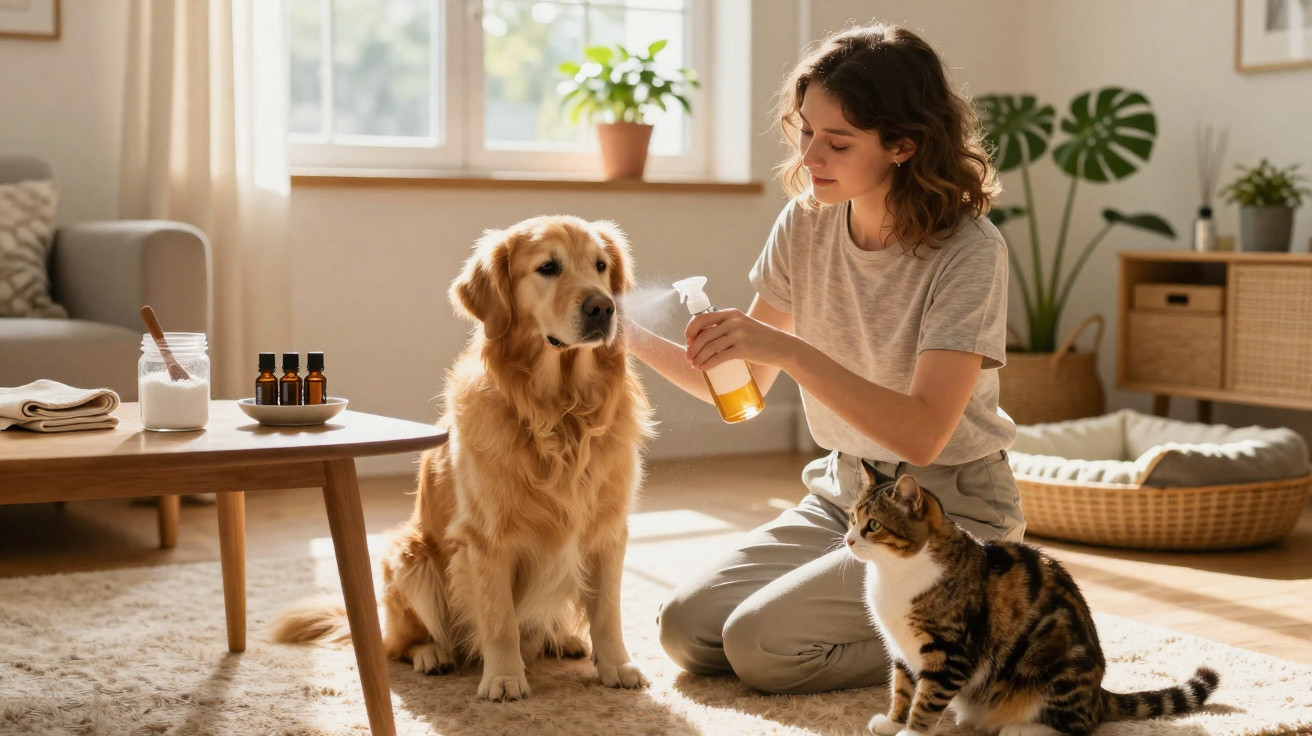
In veterinary waiting rooms and neighbourhood groups alike, a subtle change is taking place: more pet owners are looking for gentler ways to keep fleas under control. This is not about pitting nature against science. Instead, it means combining sensible prevention, low-risk care at home and prompt action when symptoms worsen.
Why natural flea control is gaining ground
Spot-on treatments and tablets suit many pets, but they are not right for every animal. Some pets have sensitive skin, while some households want fewer fragrances or a lower chemical burden indoors. Others deal with repeated infestations because eggs and larvae flourish in soft furnishings and gaps in flooring. A well-rounded approach works on two fronts: make your pet’s coat less attractive to fleas, while disrupting the life cycle in carpets, bedding and upholstery.
About 5% of a flea problem lives on the animal; the other 95% sits in the environment as eggs, larvae, and pupae.
This balance reshapes the approach. Modest but regular steps at home can gradually reduce flea numbers week after week, particularly during warmer months, when their life cycles speed up.
Apple cider vinegar: what it actually does
Apple cider vinegar (ACV) is often one of the first remedies mentioned among pet owners. It will not kill fleas directly. However, its acidity may make the coat a less inviting place for them and can help with minor skin germs around small scratches. Consider it a coat refresher with a gentle repellent quality, rather than a complete solution.
Using ACV safely and simply
- Combine equal quantities of ACV and water in a clean spray bottle.
- Lightly mist the coat, avoiding the eyes, ear canals and mouth.
- Brush the fur afterwards to distribute it evenly. Do not saturate the coat.
- Apply it a few times weekly during warm weather, reducing use if the skin becomes dry.
For sensitive skin, try it first on a small patch and use less ACV if redness develops. Your pet’s comfort must come first. The purpose is to discourage fleas, not to aggravate the skin you are trying to safeguard.
Baking soda in the home: treat the nest, not the pet
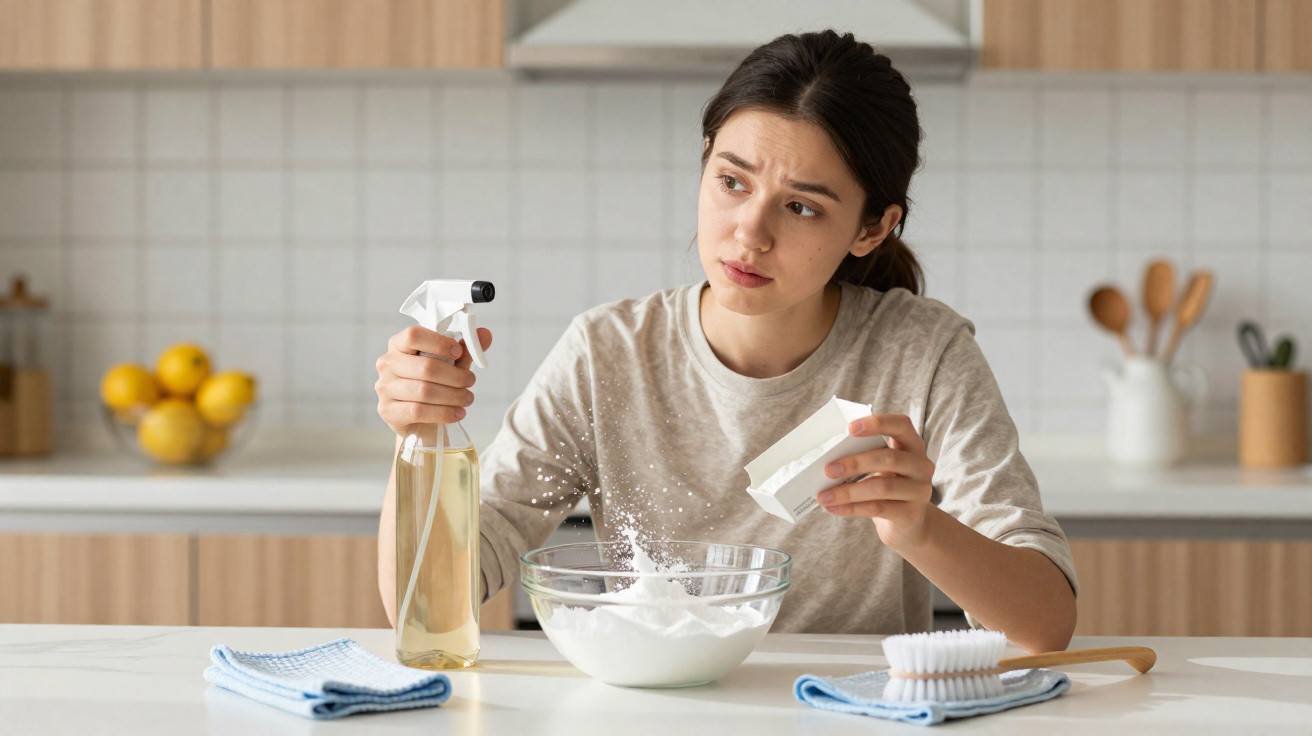
Flea eggs and larvae collect in the places where pets rest and play. Baking soda can help dry this micro-environment while reducing odours. Apply a light dusting to carpets, fabric sofas, car seats and pet bedding. Leave it in place for a few hours, then vacuum carefully and slowly to lift the powder, debris and larvae from the fibres.
Vacuum, then empty the canister or replace the bag right away so anything alive doesn’t crawl back out.
Make this deeper clean part of a regular cycle, concentrating on sleeping areas and skirting boards. Steady repetition is more valuable than an intense one-off effort. Every session takes away part of the unseen flea population.
Essential oils: firm limits and strict safety
Lavender, cedarwood, lemon and eucalyptus oils are often discussed because of their fragrances and possible flea-deterring effects. Yet the risk can increase quickly when they are used wrongly, particularly for cats, which are sensitive to many oil compounds. Take a cautious approach. If you are unsure, do not use them.
If you still intend to try them
- Never use oils neat; dilute them substantially in a neutral carrier oil.
- Keep them away from the eyes, ear canals, nose and genitals.
- Use only very small quantities, watching for licking, drooling, agitation or redness.
- Stop immediately at any sign of discomfort. Ask a vet for advice regarding kittens, senior pets, pregnant animals or pets with health conditions.
Build a flea routine that continues to work
Fleas do not disappear in a single night. They emerge in waves, especially where humidity remains at roughly 50% to 75°. A consistent routine gradually makes those waves smaller. This is a weekly pattern many households can manage:
| Method | Where it acts | How to use | Not for |
|---|---|---|---|
| ACV mist (diluted) | On-pet comfort | Mist lightly and brush through, 2–3 times a week | Broken skin, eyes, ear canals |
| Baking soda + vacuum | Environment | Dust, leave for a few hours, then vacuum slowly | Delicate fabrics that stain with moisture |
| Hot laundry cycle | Bedding and throws | Wash at high heat and dry completely | Heat-sensitive textiles |
| Garden care | Outdoor zones | Cut grass, clear debris and keep shaded nesting areas tidy | Sprays while pets are present |
| Targeted sprays (very diluted ACV or neem on surfaces) | Entry points and resting spots | Test a small patch first; keep pets away until dry | Direct application on animals; porous wood without testing |
Short, repeated actions beat one big clean. Each pass chips away at eggs, larvae, and pupae before they mature.
Garden habits that reduce flea pressure
When your pet spends time relaxing outdoors, pay particular attention to shaded places where fleas prosper. Keep grass cut, rake up piles of leaves and wash outdoor bedding on hot cycles. To spot-treat patios or kennel runs, some owners use highly diluted ACV or diluted neem on hard surfaces, allowing everything to dry fully before pets return. Check a small area first to prevent staining, and keep sprays away from pollinators.
Signs your flea plan needs more support
Fleas may transmit tapeworms and can cause anaemia in small or vulnerable pets. Contact a vet if you notice:
- Ongoing scratching or chewing despite regular care
- Red, oozing skin or hot spots
- Lethargy, pale gums or weight loss
- Black flea dirt that rapidly reappears after cleaning
- Any decline in kittens or senior pets
Combine methods for stronger results
Layering small improvements can make a difference. A light ACV coat mist may encourage fleas away from the pet. Baking soda and slow, thorough vacuuming remove hidden life stages from fabrics. Hot laundry interrupts the cycle in bedding. Outside, cutting back grass and clearing debris makes resting spots less comfortable for pests. Monitor your pet’s skin and behaviour each week. Reduced scratching and more settled sleep generally indicate improvement.
What a two-week reset may involve
- Day 1: Mist the pet with ACV; apply baking soda to carpets and the sofa; vacuum slowly; hot-wash bedding.
- Day 3: Vacuum again and give a quick ACV mist.
- Day 5: Vacuum skirting boards and beneath furniture; wash throws.
- Day 7: Apply an ACV mist, then repeat the baking soda and vacuum cycle.
- Day 10: Tidy the garden, inspect resting areas and spot-spray tested surfaces.
- Day 14: Review skin signs and behaviour; continue with light weekly maintenance.
Extra points many owners overlook
The timing of the flea life cycle is important. Eggs may hatch within a few days in warm conditions, while pupae can wait for vibration before emerging. This is why a fresh vacuum can prompt new adults to appear. Continue the routine, as it catches each new group. If you are considering diatomaceous earth, use food-grade products only, apply it very sparingly to carpets, wear a dust mask and keep pets away while applying and cleaning it up. Never rub it onto animals, as it can dry the skin and irritate airways.
Some households combine gentler measures with a targeted veterinary product during the busiest season, then go back to lighter prevention for the rest of the year. This mixed approach may reduce overall exposure while maintaining a safety net for homes dealing with significant pressure from nearby wildlife or shared corridors. Speak to your veterinary practice about suitable timing, particularly if you have several pets or a history of rapid reinfestation.
Comments
No comments yet. Be the first to comment!
Leave a Comment