
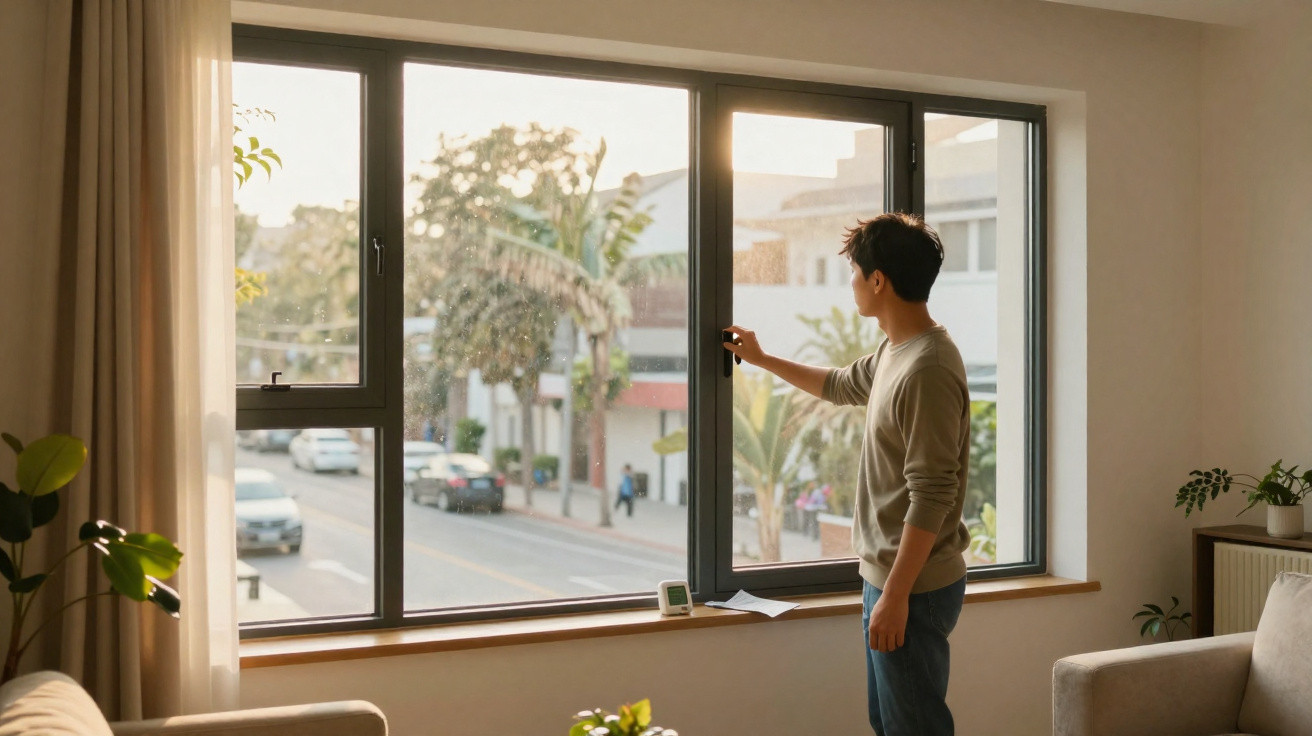
Friends described it as bold, my dad said “finally,” and my banking app reacted with a gulp. Ever since the first day, one question has lingered around the glass: was the upgrade worth it?
On the first morning after installation, the house had a different sound. Brake squeals and conversation from the street had become a muted wash, as if somebody had turned down the treble of everyday life. In the kitchen, I put my hand by the old chilly patch beside the sink and felt… nothing. There was no phantom draught slipping through the frame and no faint whistling. Coffee in hand, I looked at the new low-E panes and felt the room hold warmth like a decent coat keeps your shoulders settled. I wanted figures rather than feelings, but the difference was undeniable. Winter would reveal the answer. Briefly and honestly.
What changed after the window replacement
The air no longer had that sharpness. Previously, on windy evenings, the curtains would quiver like tiny flags signalling a draught you could never quite locate. With double-glazed units (U-factor 0.27 on the sticker), the living room maintained a consistent 20°C without the radiators sounding as though they were in a race. We all know that moment when you reach for a blanket not because you are cold, but because the room itself feels insubstantial. That sensation disappeared. Rather than feeling like a battle, warmth became a quiet arrangement between the walls and the weather. It was a minor change with a major effect.
Because I am that sort of person, I logged kWh and gas consumption over three winters. In year one, with the original single-pane sash windows, average winter gas use was 1,020 therms. In year two, after adding storm windows, it was 910 therms. By year three, following full replacement, it had fallen to 760 therms. That represents a 25% reduction against the original baseline, or about $540 saved at last winter’s prices. At an outdoor temperature of −3°C, interior glass surface temperatures rose from 9°C to 16°C, measured using a $30 infrared thermometer. It was not laboratory-standard equipment, but the result was persuasive. The house became an estimated 8–10 dB quieter too; the 6 a.m. bus is still there, but now it seems much farther away.
The cost was harder to take. The installed price for 15 openings, including two sliding doors, was $18,700. Local utility rebates reduced that by $900. Assuming annual savings remain around $500–$650, the simple payback period lands between 27 and 35 years. On a spreadsheet, that looks punishing; windows are not an upgrade that will make you rich. Yet spreadsheets struggle to value fewer cold spots, less condensation on blinds, reduced HVAC cycling and a level of comfort that changes how you live in the house. There is resilience as well: during a 6-hour power cut in January, the indoor temperature dropped by only 2.8°C. That would not have happened before.
How to choose windows that genuinely pay off
Begin with orientation. South- and west-facing glazing shapes both your winter comfort and the way summer temperatures escalate. In cold climates, seek low-E coatings that permit worthwhile solar heat gain on south-facing windows (SHGC 0.35–0.45), while choosing slightly lower SHGC values for east- and west-facing units to limit intense afternoon heat. Aim for a U-factor of 0.28 or lower; if you experience serious winters or constant road noise, consider triple glazing around bedrooms. Request the U-factor and SHGC in writing, rather than relying on marketing language. Those figures tell you more than any polished brochure ever will.
Do not allow the frames to undermine the glass. An excellent IGU (insulated glass unit) in a poorly sealed installation is like wearing a parka with the zip open. Give priority to correct flashing, backer rod and high-quality sealants. If your home is unusual-and plenty are-ask the installer to carry out blower-door-guided air sealing around the new frames. Honestly, it is not something people do every day. But when you do, you can watch the thermostat stay where you set it instead of drifting. Also check delivery times: a promised “four-week” lead time that turns into ten can run straight into the first frost.
The same mistakes catch people out repeatedly: pursuing triple glazing where it offers little benefit, overlooking storm windows where they would help, and neglecting shading. In mixed climates, a carefully positioned external shade or deciduous tree can reduce summer energy bills as effectively as an expensive coating. Air sealing around rough openings beats any mystery add-on. One professional gave me advice that stayed with me:
“You’re not buying windows. You’re buying a boundary. Make it continuous.”
- Check rebate portals before shopping; eligible models and U-factors can affect qualification.
- Store receipts, serial numbers and warranty PDFs together in one cloud folder.
- Take thermal images after installation. It is satisfying, and it helps you spot gaps early.
- If you own an older façade, ask about matching sightlines to preserve kerb appeal.
So… was the double-glazed window upgrade worth it?
The truthful answer sits in two places: on the bill and in your bones. My monthly costs have fallen, certainly, but what I notice most is the mornings. The kitchen no longer forces me into socks, and the office no longer lingers at “almost comfortable”. Summer heat takes longer to make itself felt. The air conditioning switches on fewer times each hour. There is a lightness in quiet that is difficult to describe until the city recedes by a notch and phone calls sound as though they are indoors once more. Comfort became part of every day instead of something wished for at the weekend. The ROI takes a long time; the relief arrives immediately.
| Key point | Detail | Why it matters to the reader |
|---|---|---|
| Energy savings | 25% winter gas drop vs. original baseline; $500–$650/year | Sets realistic expectations before spending |
| Comfort & noise | Warmer glass surfaces, fewer draughts, ~8–10 dB quieter | Explains the day-to-day upgrade you will feel |
| Payback maths | $18.7k cost, partial rebates, 27–35 year simple payback | Frames the investment as comfort + resilience, not just cents |
FAQ:
- Are triple-pane windows always better? Not always. They excel in cold areas, on noisy streets and in bedrooms, but their additional cost and weight may outweigh the benefits in mild climates. Use them where they will have the greatest effect.
- Can I DIY window replacement to save money? You can, but there is a risk of water ingress and concealed air leaks. If you take the DIY route, learn the flashing details, use backer rod and test with a smoke pencil on a windy day.
- What numbers should I look for on the label? U-factor ≤ 0.28 for cold or mixed climates, SHGC suited to the orientation, and a strong air-leakage rating. Focus on verified ratings, not adjectives.
- Will new windows stop condensation? They can help by keeping the inside surface of the glass warmer. If moisture remains, lower indoor humidity, run bathroom and kitchen extractor fans, and inspect sills for hidden air leaks.
- Is replacing the sash enough, or do I need full-frame? Sash kits can be suitable where the frames are sound and square. Full-frame replacement is safer where there is rot, insulation concerns or a need for proper flashing, and it often provides stronger long-term performance.





Comments
No comments yet. Be the first to comment!
Leave a Comment