
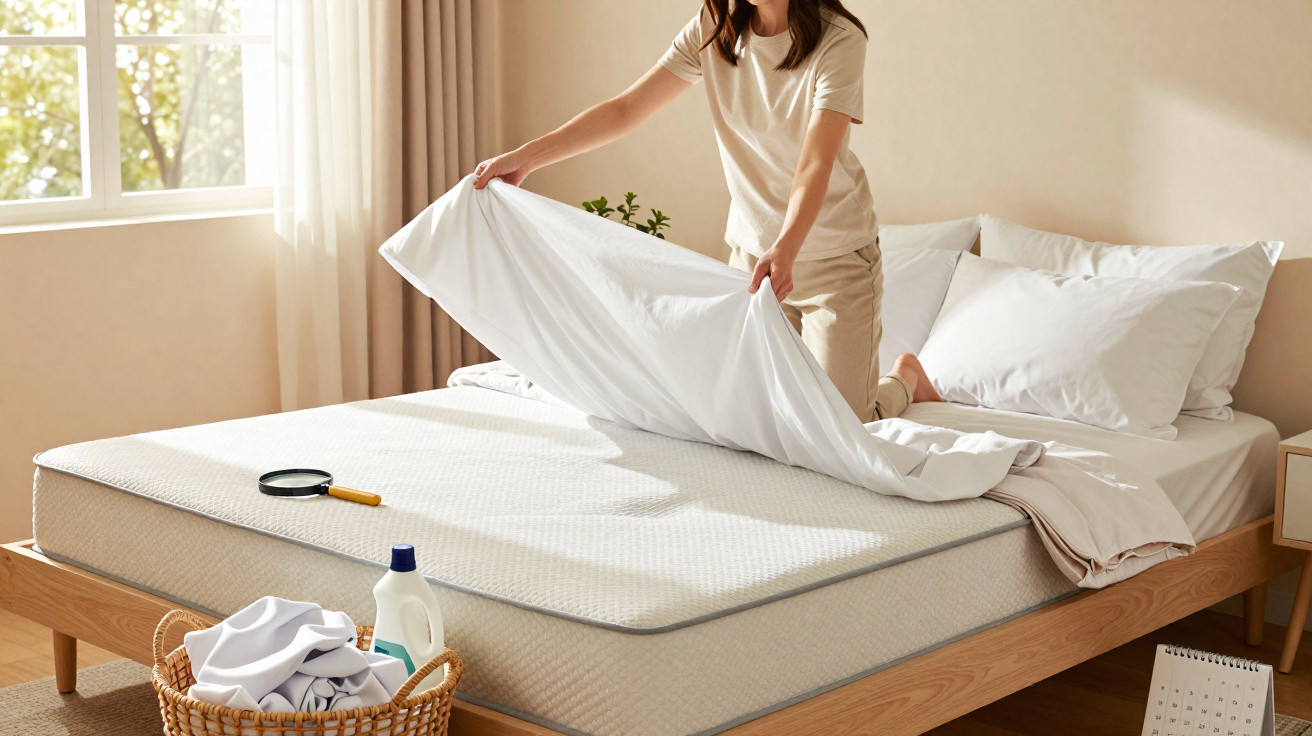
Most people spend roughly a third of their lives in bed. Sleep is far more than time spent inactive: it is vital to healthy brain function and general wellbeing. Although we commonly concentrate on the number of hours we sleep, the standard of our sleep surroundings is important too.
A tidy, inviting bed made with clean sheets, smooth pillowcases and freshly washed blankets feels pleasant and can help promote more restorative sleep.
Yet how frequently do bed linens genuinely need washing?
A 2022 YouGov survey found that only 28 percent of Brits wash their sheets weekly. Many respondents said they waited considerably longer, with some going eight weeks or more before laundering them.
Why washing bedding regularly matters
What does the evidence-based advice say?
Here is what accumulates in your bed night after night - and why routine laundering involves more than simply keeping it looking clean.
While we sleep, we lose hundreds of thousands of skin cells, release oils from the sebaceous glands, and perspire up to half a pint of fluid, even when we have showered immediately before going to bed. Human skin is home to millions of bacteria and fungi, many of which transfer to sheets, pillows and duvets as we shift around during the night.
New sweat may not have a smell, but bacteria living on the skin - especially staphylococci - break it down into odorous substances. This often explains why you can wake with body odour despite having gone to bed clean.
Microbes are not the only issue. Over the course of the day, our hair and bodies pick up pollution, dust, pollen and allergens, all of which may end up in bedding. They can provoke allergies, interfere with breathing and worsen bedroom air quality.
Dust mites, fungi and other unseen bedfellows
The skin flakes shed overnight provide food for dust mites, tiny creatures that flourish in warm, moist mattresses and bedding. Although the mites are not harmful in themselves, their faecal droppings are powerful allergens that may worsen eczema, asthma and allergic rhinitis.
Beds are also attractive to fungi. Certain types, including aspergillus fumigatus, have been found in used pillows and may lead to severe lung infections, especially in people whose immune systems are weakened.
Sharing a bed with pets makes this microbial gathering busier still. Pets bring additional fur, dander, dirt and, at times, traces of faeces into sheets and blankets, meaning these should be washed more frequently.
So, how often should you wash your bedding?
Sheets and pillowcases
- When: Once a week, or every three to four days if you have been unwell, perspire heavily or share your bed with pets.
- Why: To get rid of sweat, oils, microbes, allergens and dead skin cells.
- How: Launder at 60°C or above with detergent to destroy bacteria and dust mites. For more thorough sanitisation, tumble-dry or iron them. To tackle dust mites within pillows, freeze them for at least 8 hours.
Mattresses
- When: Vacuum no less than weekly and air the mattress every few days.
- Why: Perspiration raises moisture levels, producing an environment in which mites can breed.
- Tips: Fit a plastic or allergen-proof mattress protector, and replace the mattress every seven years to preserve hygiene and support.
Pillow interiors
- When: Every four to six months, after checking the care label.
- Why: The inner filling may harbour bacteria and mould.
- How: Wash it properly and ensure it is fully dry to prevent fungal growth.
Blankets and duvet covers
- When: Every two weeks, or more regularly when pets sleep on them.
- Why: They collect skin cells, sweat and allergens.
- How: Wash at 60°C, or at the highest temperature permitted by the care label. Some advice suggests treating them as you would towels: frequent, hot washes keep them hygienic.
Duvets
- When: Every three to four months, according to how much they are used and whether pets or children share the bed.
- Why: Despite a cover, body oils and mites will eventually penetrate the filling.
- How: Consult the label: many duvets can be machine-washed, while others need professional cleaning.
Your bed might appear spotless, yet microbes, allergens, mites and irritants can rapidly build up within it. Cleaning bedding is not only about freshness; it is also a health matter.
Frequent laundering clears away the biological mixture of sweat, skin, dust and microbes, helping to limit allergic responses, avoid infections and control odours. Research continues to demonstrate sleep's substantial influence on everything from cardiovascular health to mental clarity, so a hygienic place to sleep is a modest but valuable investment in your wellbeing.
So, strip the bed, wash the sheets and freeze the pillows. Your microbes - and your sinuses - will appreciate it.
Sweet dreams - and happy laundering.
Primrose Freestone, Senior Lecturer in Clinical Microbiology, University of Leicester
This article is republished from The Conversation under a Creative Commons licence. Read the original article.





Comments
No comments yet. Be the first to comment!
Leave a Comment