
The solution is quicker than you might expect.
With energy bills continuing to climb and food costs mounting, a freezer packed with frost helps neither. Fortunately, a few sensible practices will let you remove ice fast, safeguard the appliance, and prevent frost from returning.
Why frost forms and why it costs you
Frost develops when warm, moisture-filled air enters the freezer and freezes against its cold interior surfaces. Opening the door often, putting away hot leftovers, poorly sealed packaging and a worn door seal can all make matters worse. Placement also plays a part: a freezer positioned too close to a radiator or without enough ventilation must work harder, increasing condensation inside.
Even 3–5 mm of frost can push electricity use noticeably higher and reduce cooling consistency across shelves.
Ice takes up valuable room and restricts air circulation. Fans have to work harder, while the compressor runs through more cycles. Greater temperature fluctuations can affect food quality and reduce storage life. As frost builds around the frame, the door may no longer shut properly. If ignored, this leads to more noise, increased wear and a higher bill for exactly the same cooling performance.
The quick, safe defrost method
First, switch the freezer off at the wall. Transfer the food to a cool box or insulated bags, then place towels around the bottom of the appliance to absorb melting water. Do not use knives or metal scrapers: puncturing the liner can render the freezer unusable.
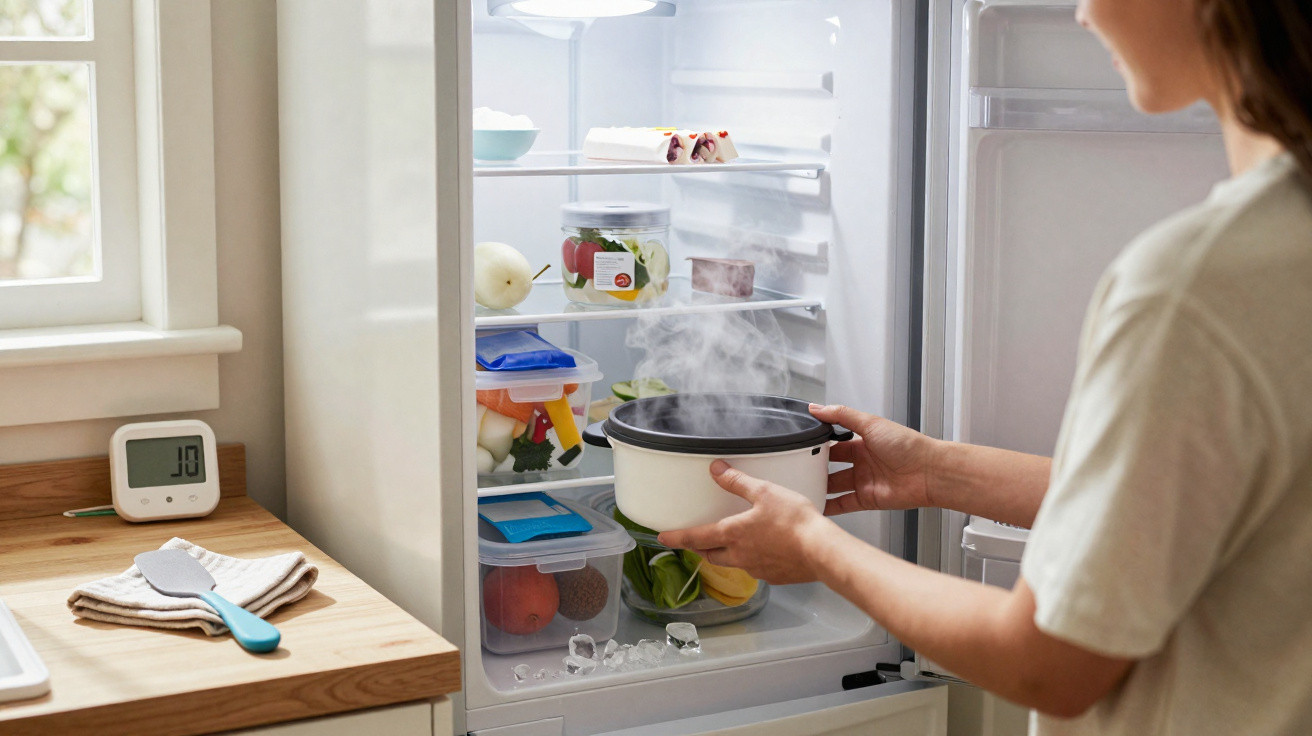
Steam is the quickest option. Set a heatproof bowl or sturdy saucepan filled with very hot water on a shelf, shut the door and allow the steam to loosen the frost. After roughly 15 minutes, sheets of ice should begin to come away. Wipe up water as you work, and replace the water with fresh hot water if the room is cold or the frost is particularly thick.
A hair dryer set to low or medium can also be useful. Hold it well away from plastic panels and metal parts, and keep it moving so the heat is distributed evenly. Do not concentrate heat in one area, and make sure both the appliance and plug remain clear of water.
After all the ice has been removed, clean the inside using warm water with either a small drop of mild washing-up liquid or one teaspoon of bicarbonate of soda per litre. Rinse afterwards, then dry every surface completely with a clean cloth. Any remaining moisture can trigger another frost cycle. Switch the freezer on again and allow it to settle at about -18 °C (0 °F) before putting food back.
- Do not chip at ice with knives, screwdrivers or chisels.
- Do not tip boiling water directly onto plastic liners.
- Keep leads and plugs clear of standing water.
- Handle hot water with heatproof gloves and use cookware that will not tip over.
| Check | Target |
|---|---|
| Freezer temperature | -18 °C (0 °F) |
| Frost thickness before defrost | 3–5 mm |
| Routine defrost interval | Every 6–12 months |
| Door-seal test | Paper sheet pinched firmly all around |
Keep frost from coming back
Let cold air move
Consistent airflow helps maintain even temperatures. Leave space between food items, particularly around vents, and avoid filling the cabinet right to the top. Organise and label foods so they can be found quickly without prolonged searching. Smaller portions freeze faster and give off less moisture than large, loosely wrapped packages.
Limit moisture at the door
Allow leftovers to reach room temperature before packaging them. Choose solid containers or robust freezer bags with as much air pressed out as possible. Dry damp lids and rinsed produce before freezing. Decide what you need before opening the door, then close it without delay. On humid days, each brief door opening introduces considerably more condensation.
Watch the door seal
The gasket is your first line of defence. Wash its grooves with warm soapy water and a soft cloth, then dry it thoroughly so the rubber can grip properly. Test it by closing a sheet of paper in different places around the frame; if the paper slips out easily, the seal could be worn or out of position. Also make sure shelves and containers are not preventing the door from closing, and level the appliance so that the door closes smoothly by itself.
Pick the right spot and climate class
Position the freezer away from cookers, radiators and sun-facing windows. Allow a few centimetres of clearance at the back and sides to let air circulate. Clean dust from the rear coil or condenser grille twice yearly, as lint holds heat and makes the compressor run for longer. Keep the thermostat at -18 °C, which offers an established balance between food safety and efficiency.
Look at the climate class shown on the rating label. Typical ranges are: SN (10–32 °C), N (16–32 °C), ST (16–38 °C), T (16–43 °C). In a garage that falls below its stated lower limit, a freezer may struggle, short-cycle and produce unusual frost build-up. When exposed to temperatures above its upper limit, it runs hot and becomes more prone to condensation.
Cold food, dry packaging, short openings, and a tight gasket: that combo keeps frost at bay and bills in check.
The five-minute steam trick, step by step
Boil the kettle, then fill a wide heatproof bowl. Put it on the middle shelf, close the door and leave it for 10–15 minutes. Open the freezer and remove loosened sheets of ice by hand or using a plastic spatula. Change the hot water once if required, dry the entire interior, and restart the appliance. Put the food back when the thermometer reaches -18 °C.
What to do with the food while you work
Pack frozen foods together in a single insulated bag or cool box to slow thawing. If available, add gel packs or a bag of ice, and keep the container closed. Most foods can remain above freezing for 60–90 minutes without a loss of quality, provided they stay chilled. Foods that are still icy at their centre can be refrozen, while noticeably softened items should be cooked soon.
When to repair and when to upgrade
Replacing a door gasket can cost less than a large food shop and may pay for itself within a season. Arrange a service visit if the liner has cracked, the thermostat behaves inconsistently, or frost reappears within days despite following good habits. Older manual-defrost freezers may be inexpensive to operate when kept free from ice. No-frost models minimise icing, but they can dry food out more quickly, making good packaging even more important.
Real-world savings and small add-ons that help
Removing a few millimetres of frost can noticeably reduce annual electricity use in a medium-sized freezer, especially in humid homes. Maintaining the right temperature makes a difference as well: every degree below -18 °C adds demand without improving safety for most foods. A £10 freezer thermometer takes away the uncertainty. A basic door-open alarm or smart plug that tracks energy use can reveal habits that need changing.
The simplest win: a bowl of very hot water, a closed door, and 15 calm minutes. No force. No damage.
Extra tips for longer food quality
Freezer burn results from dehydration and oxidation. Effective packaging needs to block air as well as cold. Squeeze air from freezer bags, wrap meat twice and store soups or sauces in rigid containers. Adding dates prevents forgotten food from sitting too long, cutting both waste and time spent with the door open. Move older items to the front once a month.
Safety notes you will want to keep
Always unplug the freezer before defrosting it. Keep all cables dry, and place hot containers on a stable shelf rather than on drawers. Do not use chemical de-icers that are unsuitable for food-storage areas. If you use a hair dryer, connect it through a residual-current device and keep it well away from puddles. Should you smell refrigerant or notice oil marks inside the freezer, stop immediately and contact a technician.




Comments
No comments yet. Be the first to comment!
Leave a Comment