
March brings back brighter days, lawns begin growing again, and flowerbeds can suddenly seem sparse and worn after winter.
It is tempting to buy costly bedding plants or reach for chemical fertilisers, but one modest packet of seeds can transform an uninspiring patch into a vibrant, humming display by early summer.
A delicate annual that turns bare soil into a soft, colourful haze
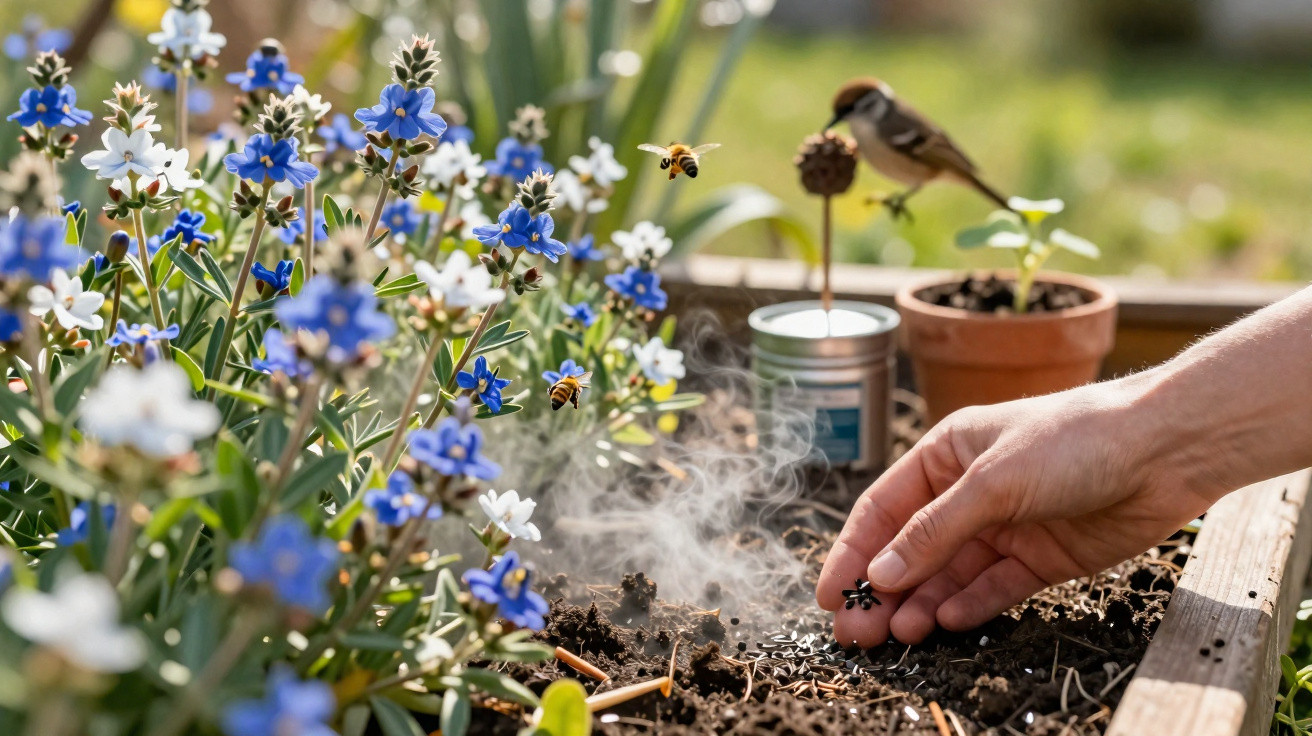
The highlight of this early-spring tale is love-in-a-mist, known botanically as Nigella damascena. This traditional cottage-garden plant has somehow fallen out of favour, although it offers almost everything today’s gardener might seek: it is simple to grow, inexpensive, good for wildlife and remarkably resilient.
Scatter it in March, forget about it for a few weeks, and you’ll be rewarded with clouds of feathery foliage and intricate, starry flowers.
Love-in-a-mist produces an airy, finely textured clump of leaves, rather like a haze of green smoke surrounding a border. Flowering stems emerge from this foliage, each carrying an unusual bloom in clear white, pale pink or sky blue. Delicate, thread-like leaves surround the petals, creating the plant’s distinctive “misty” effect.
Why this flower suits busy gardeners
While many ornamental plants require regular feeding, pinching out or careful staking, love-in-a-mist asks for none of this. After germination, it largely looks after itself.
- It quickly grows into inconvenient spaces between shrubs.
- By covering exposed soil, it helps to suppress certain weeds.
- It tolerates fairly poor ground, provided the soil is not waterlogged.
- It blooms freely for weeks, particularly when sown in successive small batches throughout spring.
These qualities make it well suited to low-maintenance borders, communal gardens at rented homes and compact urban plots with limited budgets and time.
How to get it right from March: sun, drainage and simple sowing
Across the UK and in much of North America, March is an excellent time to sow love-in-a-mist outside. The ground remains cool but can be worked, providing exactly the gentle beginning these seeds enjoy.
Give this plant sun and drainage, and you’ve already done most of the work.
Choosing the best spot
Choose a position that receives full sun for most of the day. Although the plant will cope with light shade, it produces the greatest number of flowers in bright conditions. Average or poor soil is suitable, but free drainage is essential. Fine taproots can rot in heavy clay that remains wet.
Where soil is heavy, use a fork to loosen it and work a small amount of coarse sand or fine gravel into the upper 10–15 cm. Rich compost is unnecessary; the aim is simply to create a loose, crumbly soil structure through which water can drain freely.
Sowing directly in the ground
Love-in-a-mist does not respond well to being disturbed. It develops one taproot, and transplanting after that root has formed often fails. Sowing directly where it will grow is therefore the simplest approach.
- Gently rake over the soil, removing stones and breaking apart large clumps.
- Scatter seeds sparingly over the chosen area. They can be sown in informal lines, patches or swirls.
- Rake very lightly again, covering the seeds with only a fine layer of soil.
- Lightly firm the surface with your hands or the back of a rake.
- Use a watering can with a fine rose so that the seeds are not washed away.
In cool spring weather, germination generally takes two to three weeks. Until the first fine shoots appear, keep the soil surface slightly moist.
Using young plants if you want a head start
Some garden centres offer nigella as small plug plants. They can advance the display by a few weeks, although careful handling is important.
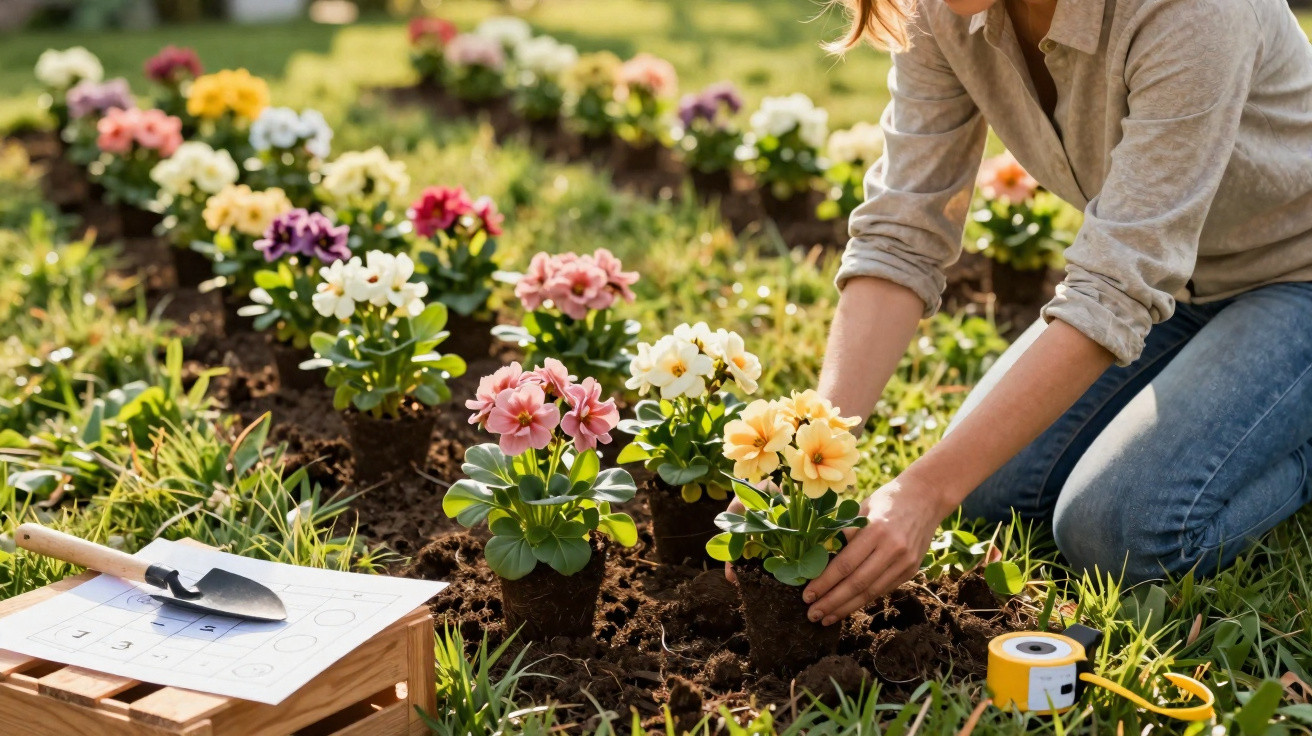
Ease each plant from its cell without breaking the root ball, then set it into prepared soil at the same depth as it was in the tray. In heavy ground, refill around it with garden soil blended with a little sand, then water gently at the base.
A flower that feeds bees in spring and birds in winter
As well as having an attractive, gently nostalgic appearance, love-in-a-mist fulfils a useful role in a wildlife-friendly garden.
Each flower is a small service station for pollinators, and each dried seed head becomes a winter snack bar for birds.
Nectar and pollen for early pollinators
When the weather warms, bees and other insects emerge from winter in need of food. Nigella flowers contain plentiful nectar and offer readily available pollen. Their star-shaped flowers also provide bees, bumblebees and hoverflies with a practical landing platform while feeding.
Growing this annual close to fruit trees, soft-fruit bushes or a vegetable plot can make a genuine difference. Pollinators attracted to your nigella are more likely to visit nearby apple blossom, raspberry canes or courgette flowers a few metres away.
Architectural seed pods birds will thank you for
After the petals have dropped, love-in-a-mist develops sizeable balloon-like seed pods decorated with delicate markings. As they dry on the plant, they become small lanterns containing hard black seeds.
Try not to clear every pod away. Those left on the plant offer two advantages: they bring visual interest and structure in late autumn, while providing finches and other small birds with an important food source during colder weather.
| Why gardeners leave the seed heads standing | Benefit |
|---|---|
| Winter food | Seeds help sustain birds when insects and berries are scarce. |
| Self-seeding | Falling seeds create next year’s plants for free. |
| Structure | Dried pods add height and interest when other plants die back. |
Turning one sowing into a self-sustaining display
Once established, love-in-a-mist often behaves like an easy-going, well-mannered visitor, returning year after year without demanding anything in return.
Allow a few plants to go fully to seed, and you often never need to buy a packet again.
When the pods open, their seeds drop onto the ground, settling naturally into small crevices and crumbs of soil. Many make it through winter before germinating the following spring. In time, drifts of nigella may shift slightly from year to year, threading their way among vegetables and other perennials.
If the planting begins to seem too dense, thin the seedlings during early spring. Gently pull out or transplant some while they remain small. This quick five-minute task gives you control over spacing and rhythm without creating further work.
Combining nigella with other plants for a vibrant, living garden
In design terms, love-in-a-mist is highly adaptable. Its light, airy growth works equally well in formal borders and relaxed, naturalistic planting schemes.
Consider combining it with stronger forms, including salvias, foxgloves or alliums. The contrast in texture helps every plant show more clearly. In vegetable gardens, nigella works well around taller crops such as beans or tomatoes, drawing pollinators without overwhelming the main stems.
Some gardeners use nigella as a “signal” plant within pollinator corridors. Repeating it beside a fence or along a path can lead insects from one section of the garden to another, increasing bee and butterfly activity throughout the site.
Practical tips, small risks and simple checks
Seed packets often use a few terms that may sound unclear. “Well-drained soil” means that water should not remain on the surface for longer than a few hours after heavy rain. Where puddles persist, try raising the nigella bed a little or incorporating grit.
A “hardy annual” completes its whole life cycle within one year, but its seedlings can tolerate a light frost. This explains why sowing in March is safe in many areas, despite chilly nights.
There are a few small considerations. Love-in-a-mist can self-seed generously, so in very compact gardens you may prefer to remove some seed heads before they become fully ripe. The plant is also mildly toxic when consumed in quantity. It should therefore not be used as fodder for livestock or pets, although touching it casually presents no problem.
For households with children, the seed pods can provide a straightforward nature activity. Cut a few for dried displays, shake them to hear the seeds rattling, or open a pod to see the orderly rows within. At the same time, point out the pods still standing and explain how they support local birds throughout the colder months.



Comments
No comments yet. Be the first to comment!
Leave a Comment