
It’s Sunday evening. You’re in front of the fridge with its door wide open and light humming, looking at a partly eaten pot of hummus, one solitary pepper, and a sorry-looking Tupperware box of last week’s “leftovers” that you’re not entirely brave enough to inspect. Once again, you promise yourself this will be the week you do better. You’ll buy the good salad, avoid the £7 meal deal, and stop eating beige food hunched over your laptop at 3pm. Then Monday arrives: you oversleep, your train is delayed, and the only preparation you manage is drafting an apology for another Deliveroo order.
We all recognise the cycle: the guilt, the food waste, the dubious experiments growing in the fridge. Somewhere between “I’ll batch cook” and “I’ll just grab something later”, good intentions vanish, taking your energy and cash with them. But imagine having the entire week covered in 45 minutes on Sunday, without making your kitchen feel like a MasterChef set. Better still, imagine it feeling less like housework and more like a quiet little act of defiance for yourself.
The tiny Sunday decision that changes your whole week
There is a particular kind of Monday smugness reserved for people with lunch already packed. At 12:45, colleagues begin wandering towards the lift while scrolling through Deliveroo, and you open your own container to find colour, crunch, and something that smells like real food rather than heated plastic. It will not solve your inbox, but it creates a gentler feeling underneath it all. It tells your weary brain: you took care of me yesterday.
We have all watched a “quick” sandwich trip turn into a £12 expense because hunger struck and that cookie abruptly seemed vital for survival. Doing that once is no problem; doing it five days a week is another matter. You notice the impact not only in your banking app, but also in the hazy afternoon slump that makes straightforward jobs feel like climbing stairs in soaking jeans.
Honestly, nobody spends every weekday morning grilling chicken and slicing vegetables like a productivity influencer. Most of us are simply hoping not to leave the house wearing our shirt inside out. The real secret is accepting that weekday-you is exhausted and chaotic, while Sunday-you is the only version with any realistic chance of helping. That is the small decision: spend 45 minutes helping future-you once, or keep paying the price five times over.
The 45-minute promise (and why it’s not a lie)
Before you begin, “meal prep” can sound completely draining. It brings to mind 14 matching containers arranged like a military parade, tasteless chicken, fiercely steamed broccoli, and your enthusiasm quietly leaving the building. It is hardly surprising that people give up after one excessively ambitious attempt. The answer is smart prep, not saintly prep.
Treat it as a collection of building blocks rather than completed masterpieces. You are not making five individual gourmet meals; you are preparing several flexible elements to combine in different ways, so every day feels a little different without requiring you to begin again. Viewed that way, 45 minutes on a Sunday seems not merely achievable, but almost ridiculously generous.
Put a 45-minute timer on your phone and approach it as a game rather than a punishment. That minor mental adjustment makes a difference. A firm finish time helps you act decisively, avoid faffing around, and resist the “oh, since I’m here I may as well bake muffins” trap, which ends with you resenting your own kitchen. Perfection is not the aim. The aim is “good enough that Tuesday-you doesn’t order chips again.”
First, pick your ‘base’ for the week
Every successful 45-minute prep begins with a base. It is the element sitting quietly beneath most of your lunches, keeping you satisfied and preventing a 4pm raid on the biscuit tin. It should be affordable, fridge-friendly, and forgiving if it becomes slightly overcooked. Think grains rather than gourmet.
Choose one: grains that don’t get sad in the fridge
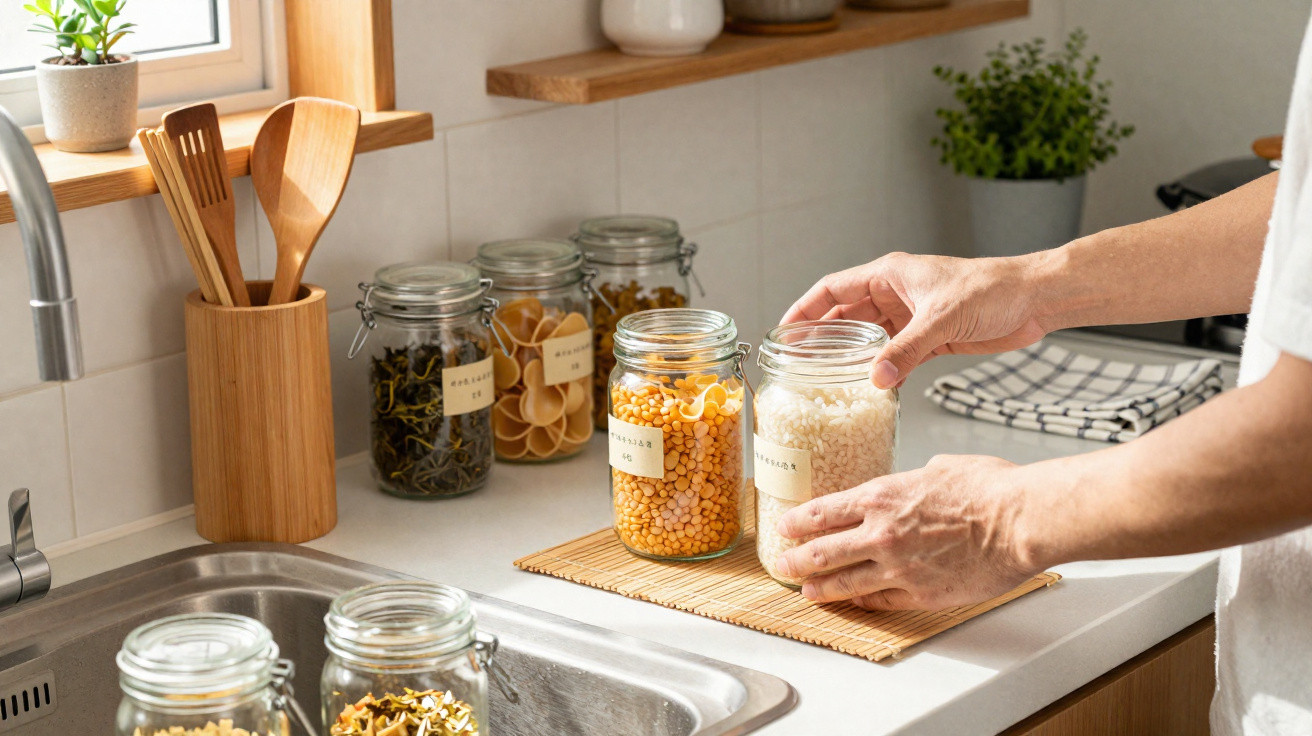
Brown rice, quinoa, couscous, bulgur wheat and even ready-cooked lentils all serve the same purpose: they add bulk and texture. Choose one for the week and make 4–5 portions in one batch. As the pot gently simmers, you are already reclaiming time. Steam fills the air, the kitchen gets a little warmer, and technically your lunches are under way before it even feels as though you have started.
Quinoa takes roughly 15 minutes, couscous takes 5, and brown rice needs 25–30, so let your Sunday energy levels guide the choice. If patience is in short supply, couscous made with kettle water and a stirred-in stock cube is ideal. Tip it into a large bowl, separate it with a fork, then leave it to cool as you get on with the rest. This is your unshowy base: you will barely think about it during the week, yet you will appreciate it when your stomach starts rumbling between meetings.
Then sort your vegetables in one colourful hit
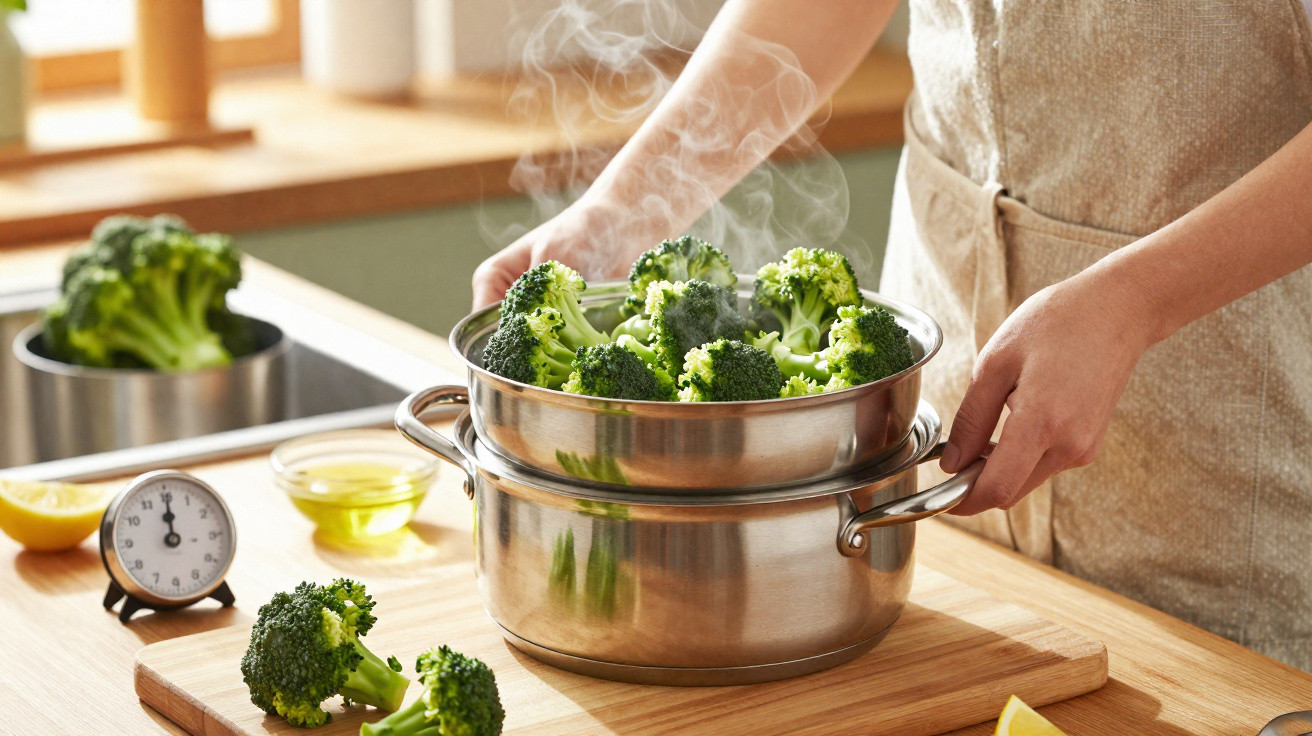
This is the stage when your fridge begins to resemble the fridge of someone whose life is vaguely under control. You do not need 12 vegetables; three or four varieties that will survive several days without becoming floppy and tragic are enough. Consider peppers, carrots, red cabbage, cherry tomatoes, cucumbers, broccoli or frozen sweetcorn, which defrosts well once mixed in.
Roast some, leave some fresh
Switch the oven on once and make the most of it. Chop vegetables onto a tray – peppers, onions, courgettes and perhaps a few cherry tomatoes – then add oil, salt, pepper and whatever dried herbs you can be bothered to reach for. Put them in the oven for 20–25 minutes and leave them alone. Most of your week’s vegetables are then handled, while the house gains the faint scent of someone who deliberately reads cookbooks.
As they roast, prepare something crisp for fresh contrast: carrot batons, cucumber half-moons, or a handful of shredded red cabbage if you feel like making an effort. Keep them in individual containers, or put them together in one large box lined with a little kitchen roll to absorb moisture. Mid-week, when you are tired, scooping a bit of colour from the fridge can feel oddly luxurious beside yet another beige microwave tray.
Protein: the piece that actually keeps you full
This is the part that determines whether weekday-you remains relaxed or starts sizing up the office snacks. Protein prevents your stomach from protesting by 3pm. You do not need to train like a bodybuilder; you simply need something substantial enough to stop you demolishing half a loaf of bread the moment you get home.
It can be almost comically straightforward. Roast a tray of chicken thighs with olive oil and paprika. Quickly fry chickpeas with garlic and cumin. Boil eggs, then cool and peel them while watching something mildly terrible on television. Or buy a tub of falafel if the thought of lighting another hob burner makes you want to cry.
The best prep is the one you’ll actually repeat, not the one that looks the most impressive on Instagram. If handling raw meat is not for you, choose tinned beans. If eggs are unbearable, buy smoked tofu and cut it into cubes. The aim is simply to have one dependable protein source ready to scatter over your base and vegetables, making lunch feel like a proper meal rather than a side dish.
The 10-minute sauce that makes everything taste intentional
Here is the unspoken truth: a sauce is usually what separates “sad leftovers” from “actual lunch”. You can eat quinoa, vegetables and chicken for four consecutive days without screaming into a cushion when each serving tastes a little different. That does not require four recipes; it requires one or two easy dressings waiting in small jars in the fridge like discreet little miracles.
Try a simple lemon-tahini dressing: tahini, lemon juice, water, salt and perhaps a little honey if you fancy something sweet. Shake everything in a jar until it is smooth, shiny and pourable. Alternatively, make a fast yoghurt-garlic sauce with herbs mixed through it. Each takes around three minutes, but both can prevent the “dry salad of resentment” that drives so many people back to supermarket pasta pots.
If sauce-making is not your thing, cheat without shame. Buy good hummus, pesto or chilli oil. A spoonful of something full of flavour changes a grain-and-veg bowl from “worthy” into “I’d actually pay money for this”. Your taste buds want to help; they just need a little assistance.
How to assemble five different lunches without losing your mind
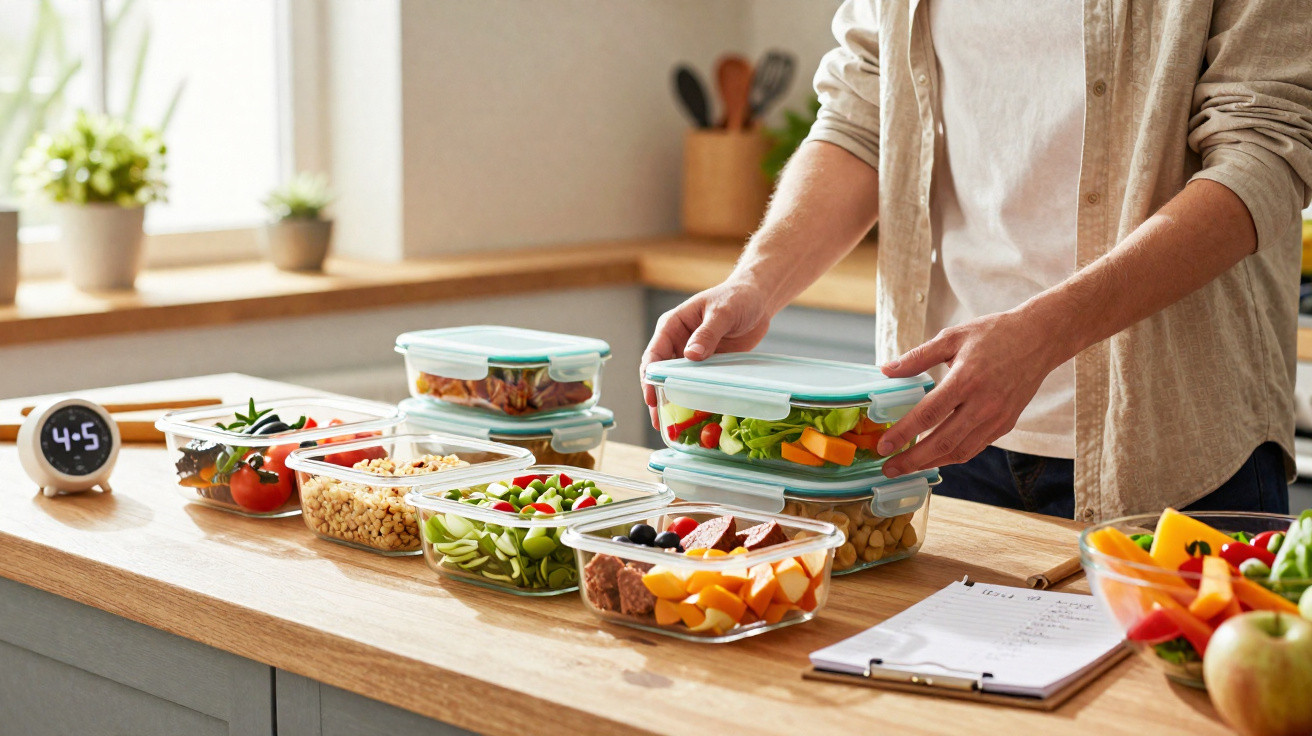
When the 45 minutes end, you do not need to stand at the counter dividing food into flawless daily boxes as though you are operating a conveyor belt. Instead, you are creating a small salad bar in your own fridge. That is the key shift. Prepare the components, then combine them in fewer than three minutes each morning, or the evening before if you are the “future-self angel” type.
Example week from the same batch
Monday: Quinoa + roasted veg + chickpeas + tahini-lemon dressing.
Tuesday: The same quinoa, with fresh carrots and cucumber, boiled eggs, and a spoonful of pesto mixed through.
Wednesday: Remaining roasted vegetables in a wrap with hummus, alongside a small extra pot of quinoa.
Thursday: A large bowl of grains, crunchy cabbage, sweetcorn, tofu or chicken, with a yoghurt-garlic drizzle.
Friday: Use whatever remains – put it in a Tupperware box, add chilli oil, call it “Friday fridge surprise” and feel unexpectedly pleased with yourself.
You are not having exactly the same lunch every day, yet you have not cooked five separate times. That is the sweet spot where your mind can relax. Every lunch feels like a decision rather than a punishment. There is also something quietly lovely about opening your bag at work to find real colour and food made when you were neither half asleep nor already irritated.
Making it feel less like a chore and more like a ritual
If “Sunday meal prep” makes your shoulders tighten, alter the mood around it. Put on a podcast or an album you enjoy. Light a candle, if that is your sort of thing. You are not battling through another job; you are devoting 45 minutes to making life easier for your future self. There is a gentle tenderness in that, a form of care we do not often offer ourselves deliberately.
Perhaps pour yourself a drink – tea, wine or anything that feels like a treat – and let the kitchen noises become part of the experience: the knife hitting the board, the kettle’s low rumble, the oven door clicking closed. The job itself is not glamorous; it is onion chopping and Tupperware washing. Yet there is quiet satisfaction in stacking filled containers in the fridge and shutting the door knowing weekday-you has support.
We’re used to seeing self-care as face masks and bubble baths, but sometimes it’s just a row of lunches waiting patiently for you. There is no fanfare or dramatic reveal, only that stressful Wednesday moment when you remember: oh, I’m sorted. I did this for me. Honestly, that feeling may taste better than anything you cooked.
When you inevitably fall off, start again small
There will be weeks when none of this happens. Sunday may disappear beneath laundry, family obligations and hangovers. You may look at the kitchen and think: absolutely not. You buy sandwiches all week, feel a little sluggish, and the guilt begins to return. This is the point at which many people turn it into something larger than it is, allowing one off-week to become “I just can’t stick to anything.”
In reality, nobody does this flawlessly. People who “always meal prep” miss weeks, get bored and occasionally have toast for dinner. The difference is that they restart without treating it as a moral failing. Next Sunday, rather than planning five full lunches, make two. Prepare enough quinoa and vegetables for Monday and Tuesday only. Once you notice how much calmer those days feel, Wednesday starts wanting a place in the plan too.
You are not creating a perfect system; you are forming a habit capable of surviving actual life. Some weeks mean 45 minutes and a stocked fridge. Other weeks mean “I boiled eggs, that’ll do.” Both matter. Both represent you quietly and stubbornly choosing to support yourself.
The small, boring magic of opening your lunchbox
Opening lunch at work can be a strangely personal little moment. There is a faint burst of garlic or herbs, a flash of colour, and the soft clack of a fork against the container. It breaks through the day’s digital haze in a way a plastic-wrapped sandwich rarely manages. You made this. Yesterday-you reached ahead and gave it to you.
Perhaps nobody else notices. They are occupied with meal deals and reheated pasta. Your body notices, though. Your brain notices when it does not collapse at 3pm. Your bank balance certainly notices once the “just a quick grab” habit starts to ease. All because, on one calm Sunday, you set a 45-minute timer and chose not to let lunch become an afterthought that week.
You do not need to turn into someone with perfect glass containers arranged by rainbow colour. You can still forget your fork now and then, and still give in to chips on a rainy Thursday because you need the salt. But after experiencing how different a week feels when lunches are sorted, it is difficult to unknow it. That small piece of knowledge may be what finally encourages you, this Sunday, to switch on the oven and start chopping.



Comments
No comments yet. Be the first to comment!
Leave a Comment