
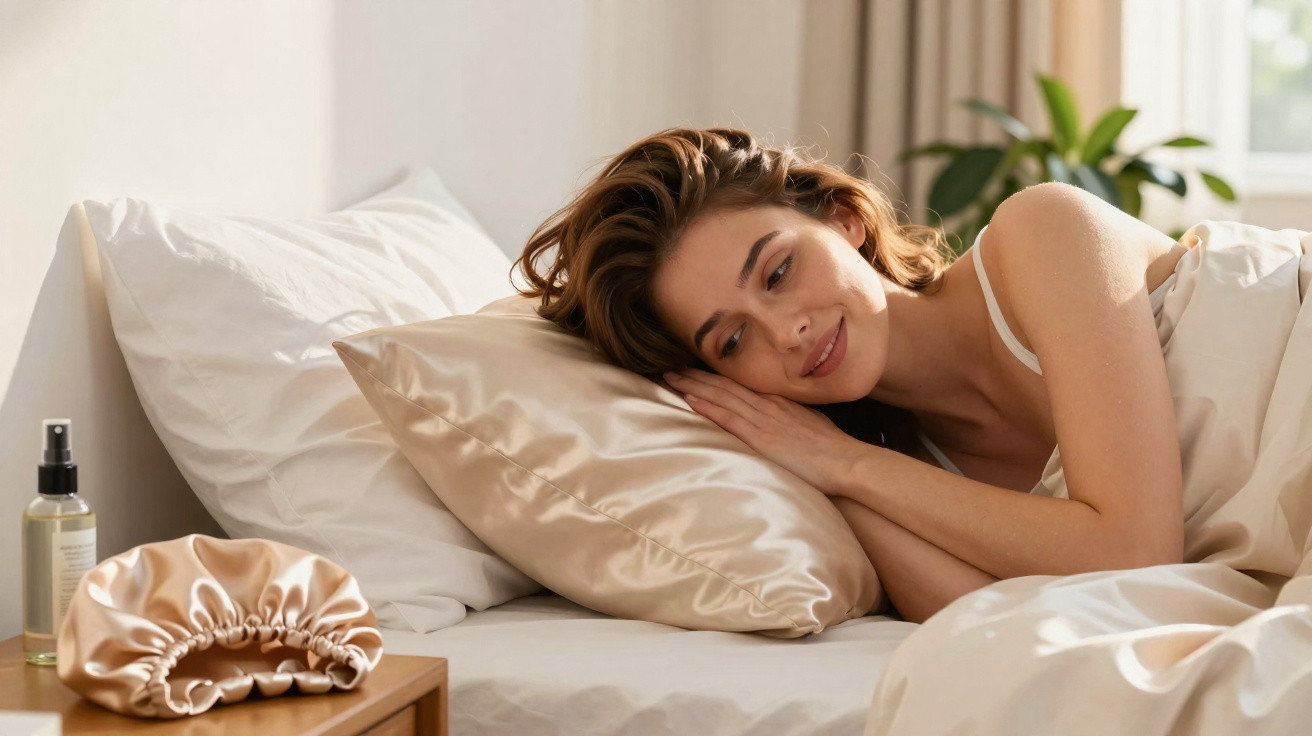
Waking up with frizzy hair, tangled ends and strands out of place is not always solely linked to the products used in the shower. Hours of friction against the pillow can also affect how hair looks. That is why replacing a standard pillowcase with a satin pillowcase can be a small, straightforward addition to a routine.
Why can satin help reduce frizz?
As your head moves while you sleep, hair repeatedly rubs across the pillowcase fabric. Rougher materials can create more friction between strands, encouraging knots and a flyaway appearance. Satin’s smooth surface lets hair glide more easily and may help keep your style intact until the following morning.
This does not mean a pillowcase will remove frizz entirely or replace moisturising and styling care. Instead, it can complement an existing routine, particularly for long, curly, coily or easily tangled hair overnight. Results will vary according to hair type and its condition.
How should you use a satin pillowcase at night?
The easiest approach is simply to swap your usual pillowcase for a satin version and sleep as normal. Before going to bed, it is helpful to make sure hair is dry or nearly dry, while avoiding tightly secured styles. If you would rather tie your hair up, choose a loose bun or another style that does not create tension.
- Put the satin pillowcase on the pillow you use every day and keep the fabric clean.
- Go to bed with dry hair, or without excessive moisture, to avoid discomfort overnight.
- Avoid tight hair ties and styles that pull on your hair while you sleep.
Care is straightforward too. Wash the pillowcase regularly, following the manufacturer’s instructions to protect the fabric. As satin can be made from different fibres, including polyester, washing requirements differ and can help stop the surface becoming rough through use.
Does a satin bonnet work in a similar way?
A satin bonnet is another popular choice for reducing direct contact between hair and the pillow. It keeps strands together while you sleep and can be especially useful for anyone wanting to maintain curls, waves, braids or styling done the previous day.
Choose a comfortable bonnet that neither presses on the forehead nor slips off easily during the night. It is also important to arrange your hair without squashing it too tightly. If a bonnet does not suit you, a pillowcase is a simpler alternative because it requires no change to the way you sleep.
Watch the video shared by the YouTube channel Forever Liss, which gives 5 reasons to start using a satin bonnet.
Which affordable alternatives are easy to find?
In the UK, satin pillowcases and bonnets are commonly available from clothing retailers, haberdasheries, beauty shops, online marketplaces and hair-accessory sellers. Polyester satin designs are generally among the most affordable options, while still providing the smooth surface sought to reduce friction.
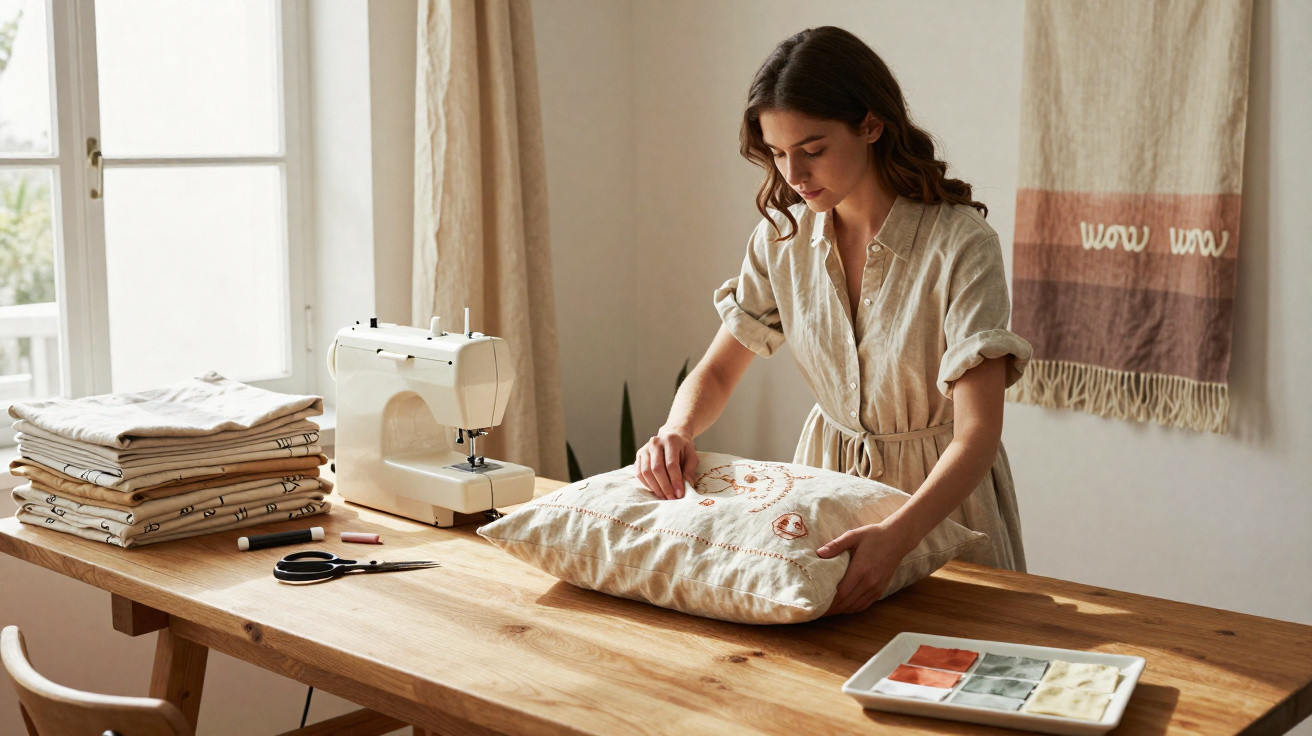
Another option is to buy a length of satin fabric from a fabric shop and make a simple pillowcase. This can be a useful solution if you can sew or know someone who does small alterations. Basic elasticated bonnets are also available and are usually less expensive than structured versions or those with more elaborate finishing.
Is it worth replacing a standard pillowcase with a satin one?
For anyone who spends each morning detangling their hair and trying to manage flyaways, making the change can be a simple test that takes little effort. Satin does not transform hair health on its own, but reducing friction at night may make a care routine more comfortable and help maintain the look of your hair.
As it takes little adjustment, watch how your hair looks after a few nights and compare the results. If frizz and knots are part of your daily routine, changing the fabric that stays in contact with your hair for hours could be a good first step as early as tonight.

Comments
No comments yet. Be the first to comment!
Leave a Comment