
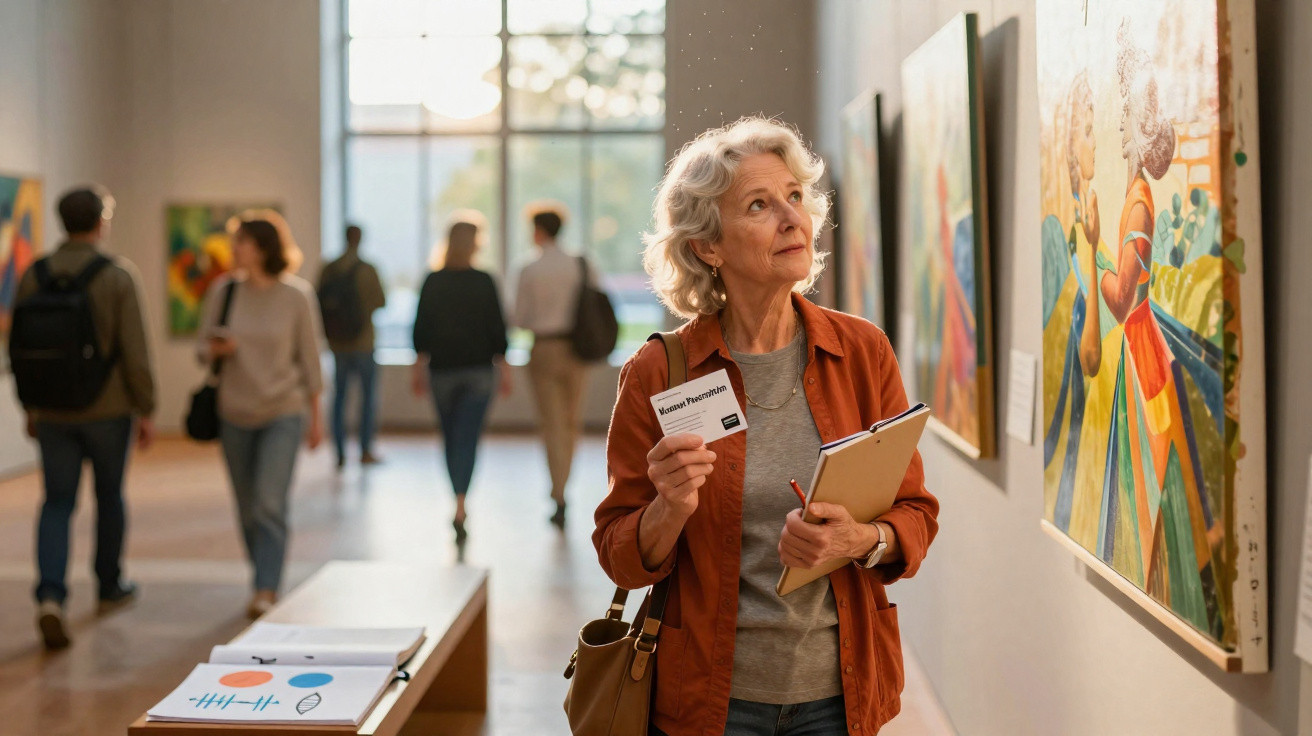
Arts and cultural activities may support healthier ageing
A number of years ago, doctors in Canada started ‘prescribing’ art for patients, granting free entry to a nearby museum. The thinking was that strolling among artworks and reflecting on paintings might improve both physical and mental health.
New research from the United Kingdom indicates that this type of prescription may not be so implausible. Artistic pursuits could genuinely influence biological markers of ageing.
Researchers at University College London (UCL) discovered that taking part in an arts or cultural activity every week might slow ageing at roughly the same level as exercising weekly. The idea that ‘art is life’ may therefore have genuine scientific support.
"Our study provides the first evidence that arts and cultural engagement is linked to a slower pace of biological aging," says senior author and epidemiologist Feifei Bu from UCL.
"This builds on a growing body of evidence about the health impact of the arts, with arts activities being shown to reduce stress, lower inflammation, and improve cardiovascular disease risk, just as exercise is known to do."
UCL study examines biological ageing and the arts
The team assessed health information from more than 3,500 UK adults. This included several epigenetic clocks, which can estimate biological ageing, alongside data on how often people participated in artistic or cultural activities.
Such activities included going to museums or libraries, visiting art exhibitions, crafting, painting, singing, dancing, and many others. Participants who took part in one of these activities at least weekly displayed slower signs of ageing than people with a less varied cultural repertoire.
On one epigenetic clock, their ageing progressed 4 percent more slowly than among those who seldom took part in the arts. The associations were clearest in middle-aged adults, while a wider range of arts and cultural activities was linked with better ageing indicators.
Epigenetic clocks are imperfect tools intended to estimate whether a person is ageing more quickly or slowly. They draw on associations between the ways lifestyles can affect gene expression and subsequent health outcomes.
There is no single definitive clock; instead, many models exist, each concentrating on different elements of ageing. This research examined no fewer than seven versions, including one of the most recent models, DunedinPACE, which gauges the pace of ageing.
Weekly activities were linked to slower ageing
Against participants who did an arts activity fewer than three times annually, those undertaking at least three or more activities per year had 2 percent slower ageing according to the DunedinPACE clock. Doing an activity monthly was associated with 3 percent slower ageing on this measure, while weekly participation was associated with 4 percent slower ageing.
A separate clock, PhenoAge, contrasts someone’s chronological age with the age best represented by their health - a measure called ‘biological age.’ Compared with people who rarely engaged with art, those who participated in an arts or cultural activity at least weekly were, on average, a year younger according to their PhenoAge.
That gap is almost twice the difference between people who exercised at least once a week and those who did not.
"These results demonstrate the health impact of the arts at a biological level," says lead author and epidemiologist Daisy Fancourt, who has been investigating the health perks of art at UCL for nearly a decade.
"They provide evidence for arts and cultural engagement to be recognized as a health-promoting behavior in a similar way to exercise."
Museum visits could become a future prescription
Doctors elsewhere in the world may one day prescribe museum trips or arts activities for their patients. After all, some clinicians already prescribe outings in ‘nature’.
What distinguishes appreciating natural beauty through ‘forest bathing’ from appreciating human-made art? Both may draw on similar ‘ingredients’ that support health and happiness.
Art can involve physical, cognitive, emotional and social elements, and healthy ageing requires attention to every one of these areas of life. A museum visit might satisfy many of those needs at the same time.
The study was published in Innovation in Aging.





Comments
No comments yet. Be the first to comment!
Leave a Comment