

The odour reached her before the driver's door had even shut: wet dog, stale coffee and something resembling an abandoned gym bag. She opened the window, futilely fanned the air in front of her face and wondered, “How does a car even start smelling like this?”
Two wet umbrellas lay on the passenger seat. Her child's mud-covered football boots were on the rear seat, while the floor mats remained dark from the previous week's rain. That month, she had used air freshener three times, put a fresh cardboard pine tree on the mirror and even tested the baking-soda trick. None of it made a lasting difference.
Then, during a dry and breezy afternoon, she drove for twenty minutes with every window open before leaving the car open in the garage overnight. By morning, the smell had eased.
It had not disappeared, but it had changed.
When a “smelly car” is really a damp car
Behind nearly every unpleasant car odour is moisture. Not necessarily the obvious, visible-puddle sort, but the concealed kind: a damp coat left on the rear seat, a ventilation system left on recirculation, or a rubber mat that never gets completely dry.
Odours do not simply appear from nowhere. They attach themselves to fabric, plastic, dust and, above all, materials that stay wet for too long. When moisture remains, bacteria and mould establish themselves as well. That is how an occasional whiff turns into a constant presence.
Consider a wet week: you climb in wearing damp shoes, place a dripping umbrella on the mat, turn up the heater and keep the windows closed. It feels warm and comfortable, but the next day's smell is less appealing.
One driver I spoke to believed his car had “mystery mold” until we lifted the floor mats. Beneath them was sponge-like foam underlay that was still wet after a water bottle had spilled two months earlier. He had used three different fragranced sprays, yet none worked for longer than a day. The odour only properly subsided after we used a fan and several old towels to dry the padding.
Odours are a matter of chemistry and biology rather than magic. Dampness supports microbes, which release volatile compounds - the tiny, unseen substances your nose recognises as “musty”, “sour”, or “old car”.
When the interior is dry and air can circulate, those compounds evaporate and disperse more quickly. Microbes lose the comfortable conditions they need, while textiles no longer retain odours like a sponge.
Less moisture almost always means fewer odors.
For this reason, cars kept in a dry garage or left outside with their windows slightly open often smell fresher than vehicles sealed up with the previous day's humidity still trapped inside.
Small moisture habits that quietly reset your car’s smell
A regular supply of fresh, dry air is more effective at deodorising a car than any spray.
Begin with the easiest routine: in dry weather, spend the final five minutes of each journey with the windows opened slightly and the fan running. Allow outside air to pass through the seats, carpets and door panels. Once a week, leave all four doors open for ten minutes at home or work, giving trapped dampness a chance to escape.
Run the air conditioning in winter too. The A/C system removes moisture from the air. Use it for several minutes before parking, then select fresh-air mode rather than recirculation.
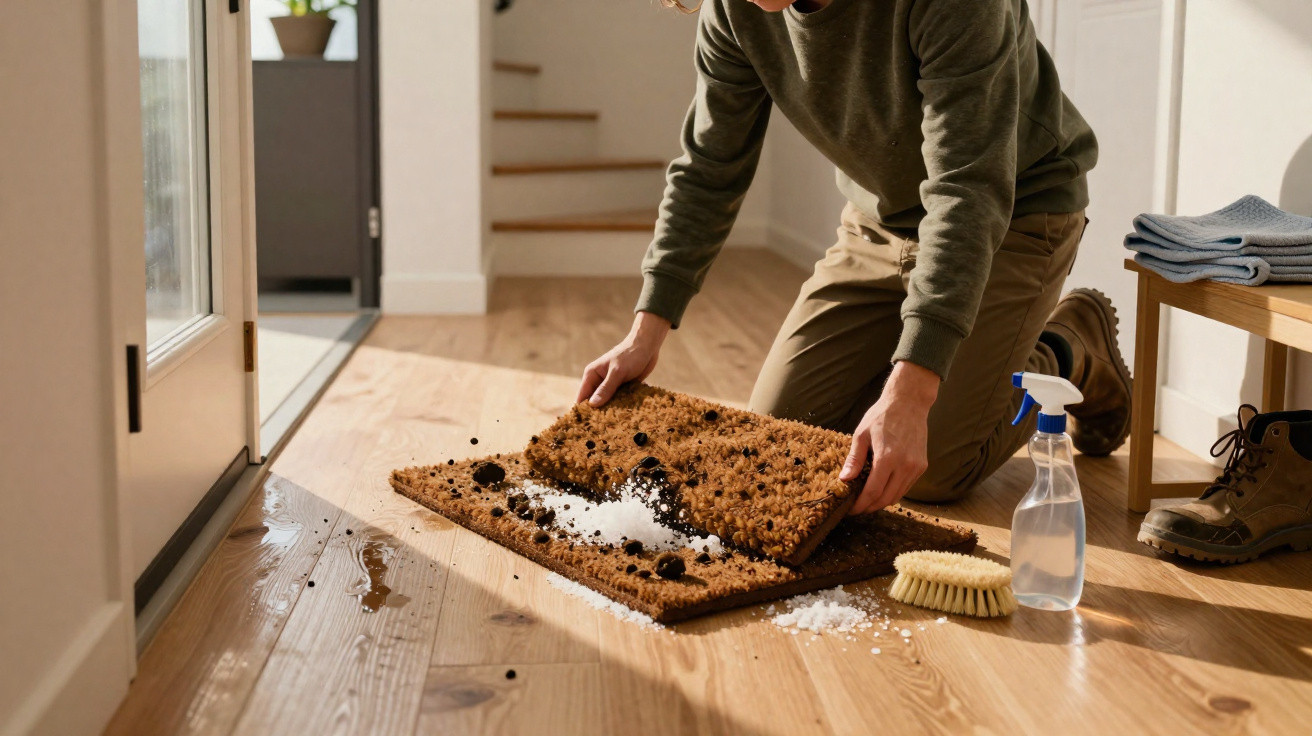
After that, look for the common sources of dampness. Inspect beneath the rubber floor mats; if the area is wet, wipe it down and leave the mats to dry in sunlight. Check the boot carpet too, particularly around the tailgate, where even a small leak can slowly saturate it.
That neglected gym bag, reusable shopping bags and the dog's blanket can all take in humidity. Remove and wash them regularly, and give the car occasional “empty” days.
Realistically, few people will manage this every day. However, doing it once or twice weekly can shift a car's usual smell from stale to neutral.
Managing moisture also means avoiding the temptation to trap yesterday's air inside. Recirculation is useful in traffic or hot weather and certainly has a purpose, but using it constantly holds humidity - along with food, sweat and pet odours - in the cabin.
A detailer I met put it bluntly:
“People bring me cars that ‘smell terrible’, and half the time the biggest fix is just getting the thing properly dry. Carpets, seats, vents - if they never breathe, they always stink.”
A handful of straightforward tools can help make that happen:
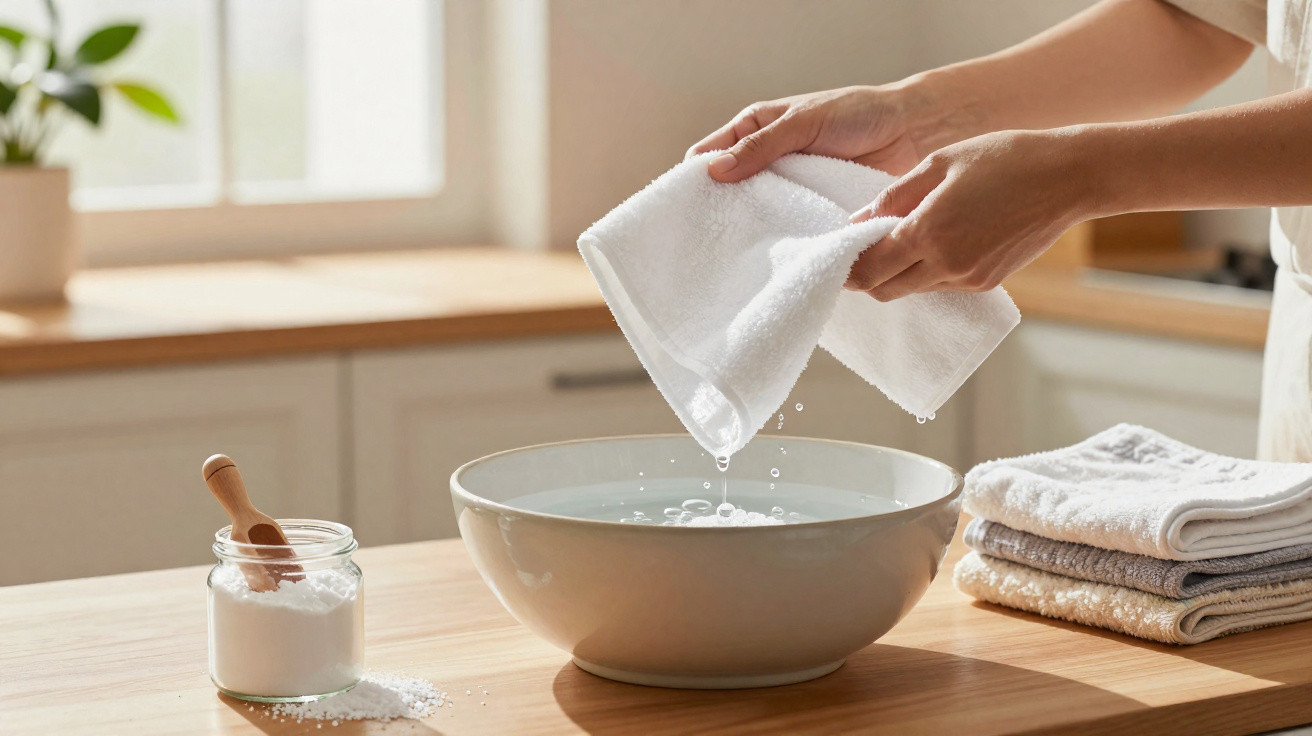
- Store a small microfibre towel in the door pocket so you can immediately blot spills or damp seats.
- Put a portable moisture absorber beneath a front seat during wetter months.
- Vacuum thoroughly once each month, as dust retains both moisture and odour.
- After washing the car, keep the doors or windows open briefly to allow rubber and carpets to dry fully.
What changes when car smells finally fade
There is a subtle change in mood when a car no longer smells of “old humidity” and instead smells of almost nothing. Morning journeys feel lighter, and long drives lose that persistent background irritation that is difficult to identify.
Many motorists assume their only options are a cabin full of perfume or one that smells stale. Moisture control opens a third door: a car that generally has no smell at all, aside from perhaps a slight trace of fabric and outdoor air.
You also begin to spot other small improvements: fast-food smells clear more quickly from a dry cabin, spilled coffee does not linger for days, and the A/C no longer produces that initial musty burst. It is as though the whole interior can exhale more easily.
| Key point | Detail | Value for the reader |
|---|---|---|
| Dry air beats perfume | Lowering moisture slows bacteria and mould, allowing smells to fade more quickly | Less money spent on temporary air fresheners |
| Habits matter more than products | Brief daily airing, using A/C to dehumidify and inspecting mats and the boot | Easy routines that keep the car smelling neutral in the long term |
| Hidden damp spots are crucial | Damp foam beneath carpets, leaks around doors or the tailgate, and saturated fabrics | Addressing root causes rather than masking symptoms |
FAQ:
- Question 1 Why does my car smell worse after it rains?
- Answer 1 Rain brings wet clothes, shoes and umbrellas into the cabin, all of which add moisture. When the windows remain shut and the fan is set to recirculation, humidity builds up and feeds bacteria and mould in the seats and carpets. This is when older, concealed odours become “reactivated”.
- Question 2 Will an air freshener solve a musty smell?
- Answer 2 It may hide the smell for a few hours, but it does not remove the moisture or microbes responsible for it. Unless you dry the cabin and clean damp areas, the musty odour will continue returning beneath the fragrance.
- Question 3 How long does it take for odors to fade once I dry the car?
- Answer 3 With dry weather and effective ventilation, mild odours may lessen within one or two days. Stronger smells caused by soaked padding or long-term damp can require a week or longer, particularly if fans, sunlight and repeated airing are needed.
- Question 4 Do I need special products to control moisture?
- Answer 4 Not always. Regular airing, using the A/C to dry the air, quickly blotting spills and occasionally using a basic moisture absorber will usually be sufficient. Professional products help most when there’s serious water damage or mold.
- Question 5 My A/C smells bad when I turn it on. Is that moisture too?
- Answer 5 Yes. The evaporator behind the dashboard can remain damp, creating a place for bacteria to grow. Running the fan for a few minutes before parking, selecting fresh-air mode and occasionally applying a dedicated A/C cleaner can reduce that initial musty blast.



Comments
No comments yet. Be the first to comment!
Leave a Comment