
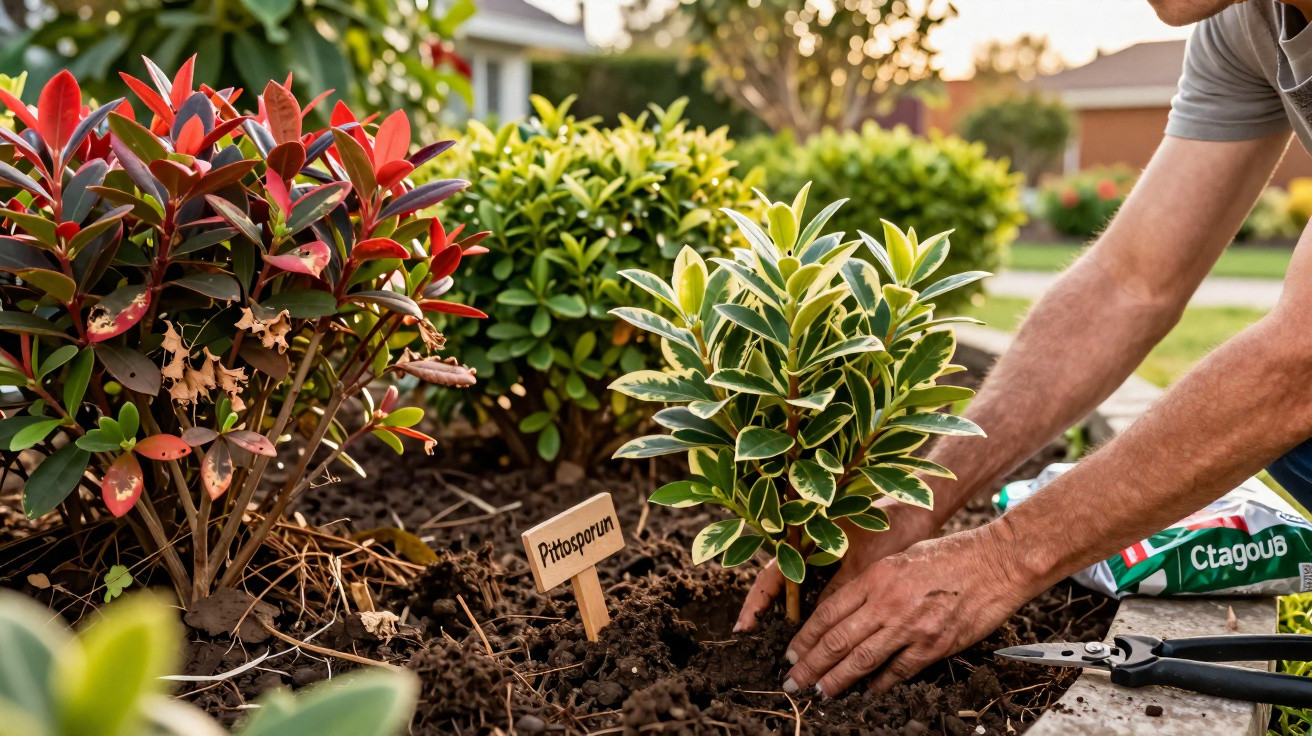
What was considered the perfect privacy hedge for years is now revealing its drawbacks: bare patches, spotted leaves and relentless pruning. Increasing numbers of amateur gardeners are drawing a line under their Photinia hedges and looking for an alternative that is not only attractive but also reliably hardy and easy to maintain. One particular shrub is attracting particular attention – and could take centre stage in many gardens from spring 2026.
Why the red showcase hedge is losing its appeal
Photinia, frequently planted as the smart standard hedge in new-build developments and front gardens, was long regarded as an all-purpose choice: fast-growing, evergreen and producing striking red new growth in spring. This display of colour won many people over, making even modest plots appear considerably more refined.
In reality, however, a different picture is increasingly emerging. Many hedges look thin, uneven and unhealthy. A few leaves disappear at first, then gaps begin to form in the green screen. It may initially seem like a temporary setback, but the plants often fail to recover fully.
What was once regarded as the modern standard for front gardens is now, in many places, seen as a problem waiting to expire.
Anyone who watches their hedge closely over several years will notice a gradual decline: the plants lose vigour, produce weaker new growth and remain blotchy and sparse. Eventually, no amount of pruning can disguise the issues. At that point, replanting naturally starts to seem more sensible than continual “tinkering”.
The real causes: climate, care mistakes and persistent fungal diseases
The pressure on Photinia is no longer determined solely by the cultivar and its position. A changing climate is playing a key role: milder winters, prolonged wet springs and planting distances that are far too close together. These are ideal conditions for fungal diseases.
Entomosporium leaf spot is particularly significant. It starts with tiny red or brown dots that steadily enlarge. Eventually, leaves dry out and drop. The result is gaps that severely compromise both privacy screening and appearance.
- Leaves marked with reddish or brown spots
- Increasing thinning of the hedge
- A weakness lasting several years without visible recovery
- Heavy dependence on weather conditions
Another common mistake compounds the problem: infected leaves are left in the bed. Spores survive in the fallen foliage and restart the cycle the following year. Even when new Photinia plants are planted in the same spot, they are growing in a “contaminated environment” – and the cycle begins again.
Anyone wishing to make a genuine change therefore needs more than replacement plants. A different approach to cultivar selection, plant spacing and care is needed. This is where a shrub enters the picture that appears ideally suited to gardens with everyday demands.
Pittosporum: the easy-going successor for stressed hedge owners
Pittosporum is now considered a quiet favourite among many garden professionals. It is evergreen, remains presentable throughout the year and copes well with the usual pruning schedule in a home garden.
Depending on the cultivar, its leaves come in a range of shades, from deep, rich green to eye-catching variegated forms with pale edges or a slight silvery sheen. This variety brings a calm look to the garden while retaining visual interest.
Pittosporum provides what many people want: a dense, dependable hedge without constant stress over disease and ongoing maintenance.
The main advantages of Pittosporum
- Moderate growth: The plants do not shoot up uncontrollably, so pruning remains manageable.
- Year-round appearance: Evergreen foliage provides structure and privacy even in winter.
- Tolerates pruning well: One or two trims a year are generally enough to maintain a neat shape.
- Lower disease pressure: Leaf health is considerably more resilient than that of many Photinia hedges.
In many cases, changing from Photinia to Pittosporum brings noticeable relief: less checking, less frustration and a far more even appearance. Those who do not want to deal constantly with sprays, specialist fertilisers or precisely timed pruning dates will often find this shrub remarkably straightforward.
Why a mixed hedge is wiser than a green “wall block”
The old ideal of a perfectly straight, uniform corridor of hedge is increasingly being questioned. A single species planted over many metres may look tidy, but it is vulnerable to disruption: one disease, one pest or one spell of extreme weather can affect the entire hedge.
For this reason, many garden designers now deliberately plan mixed hedges. The basic principle is to alternate species with different leaf forms, growth rates and flowering periods. Pittosporum works exceptionally well as a foundation plant that can be combined with other species.
Popular companions include:
- Elaeagnus: Very hardy, often with silvery foliage and highly tolerant of pruning
- Cornus (dogwood): Colourful winter stems provide visual accents when little foliage is present
- Corylus (hazel): A more natural character, early catkins and valuable for insects
- Other evergreens: Depending on the region, alternatives to cherry laurel or other climate-suited cultivars
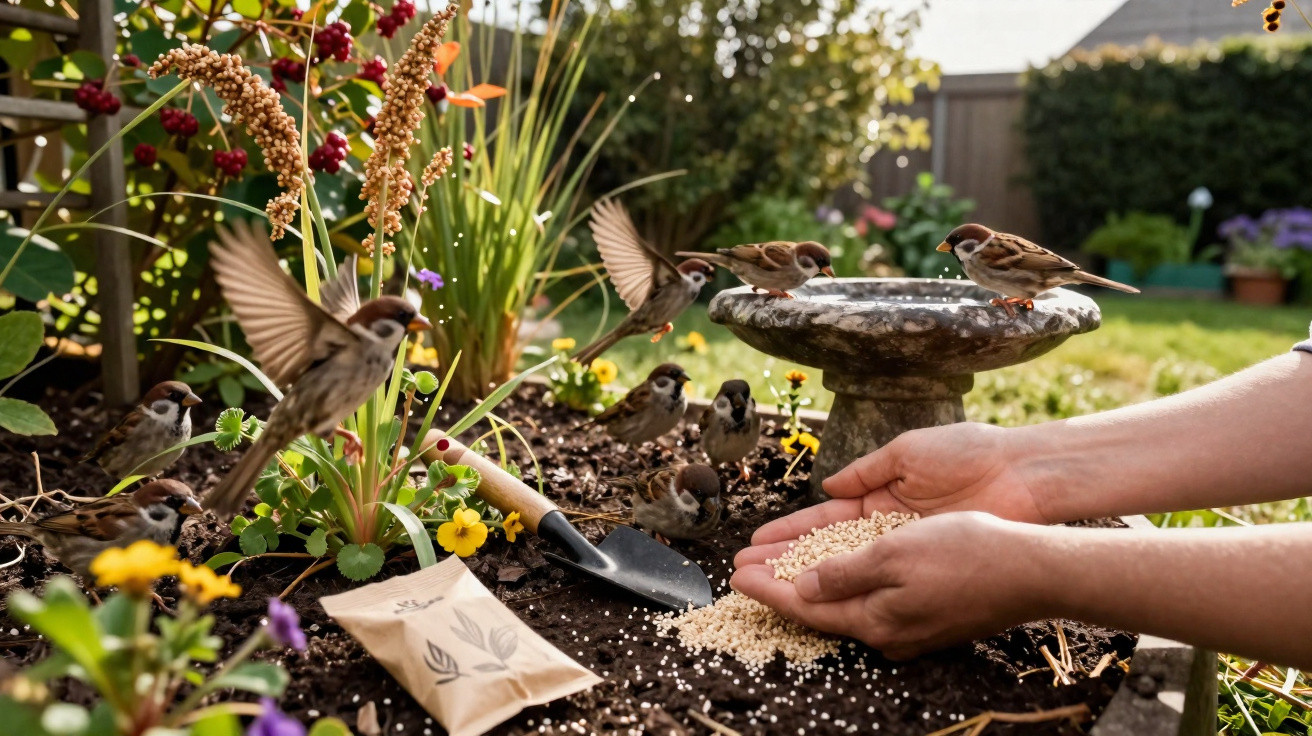
Such a combination looks less rigid and more like a narrow, richly structured belt of shrubs. The hedge changes throughout the year while continuing to provide privacy. At the same time, it attracts more birds, insects and small animals – a worthwhile benefit for anyone who likes a lively garden.
Making the switch: from struggling Photinia to a new hedge
Before reaching for the spade, it is worth making an honest assessment: how badly affected is the hedge really? Individual diseased branches can sometimes still be managed through targeted care and the consistent removal of fallen leaves.
If longer sections are bare, brown or permanently blotchy, however, making a clean break is usually the more sensible option. The process can then continue step by step.
Step 1: Remove the old hedge completely
- Clear all diseased plant material and fallen leaves carefully from the bed.
- Dig out roots as thoroughly as possible to reduce disease pressure.
- Do not compost affected material; dispose of it appropriately instead.
Step 2: Prepare the soil
- Loosen the soil deeply and prevent waterlogging with drainage.
- Work in mature compost or well-rotted manure.
- Check the soil structure and drainage, especially in heavy clay soils.
Step 3: Plan the new hedge sensibly
- Leave adequate spacing between plants so that air can circulate.
- Take site conditions into account: sun, partial shade and exposure to wind.
- Consider local climate data, especially in frost-prone or very windy locations.
- Support young plants with stakes in exposed positions where necessary.
A mulch strip around the new planting keeps the soil moist for longer, moderates temperature extremes and reduces weed growth. This makes establishment much easier, particularly during the first two summers.
What Pittosporum really needs – and what it does not
Pittosporum copes well with ordinary garden soils, provided they are neither permanently bone-dry nor constantly wet. Slightly free-draining soil and a position in sun to bright partial shade offer ideal conditions.
Fertiliser can be applied sparingly. In many home gardens, one application of compost in spring is sufficient. Excessive feeding encourages soft, vulnerable growth that again requires more maintenance. One decisive trim each year in late spring keeps the hedge shapely and dense. Anyone seeking an especially precise finish can add a second, light tidy-up in late summer.
In harsher areas, hardier, frost-tolerant cultivars are worthwhile. A thin layer of mulch also protects the root zone if winter temperatures become sharply cold.
Which hedges have a future – and which do not
The look of gardens is changing noticeably. Monocultures are coming under pressure because weather extremes and new diseases expose their limits without mercy. Shrubs such as Pittosporum are better suited to the present day: they require moderate maintenance and respond far more calmly to typical stresses in residential gardens.
Replacing an old Photinia hedge now is therefore not simply a visual change. It is a decision in favour of a system that appears more stable and diverse over the long term. Mixed hedges with Pittosporum as a calm, evergreen base combine privacy, design and value for wildlife – ensuring that the garden remains attractive in 2026 and well beyond, without becoming a constant source of worry.





Comments
No comments yet. Be the first to comment!
Leave a Comment