
They can seem to linger longer than routines, fragrances and even changing seasons.
This is not a question of poor hygiene; it is about chemistry. As skin ages, particular molecules can increase and adhere to both skin and clothing. The answer lies in a particular type of soap rather than bicarbonate of soda or vinegar mixtures.
What causes this age-related smell
Dermatologists identify 2‑nonenal as the principal factor. This unsaturated aldehyde is produced as skin lipids oxidise. Its levels commonly increase with age, particularly after your 40s. It has a grassy, faintly greasy scent and can persist stubbornly in textiles.
- Oxidised sebum on the skin’s surface contributes to the formation of 2‑nonenal.
- Heat and rubbing in skin folds, including the neck, underarms and chest, can intensify the process.
- A diet high in fats, persistent stress and certain medicines may raise the overall load.
- Textiles hold onto aldehydes, meaning garments can release the smell again even after a quick wash.
“2‑nonenal doesn’t just hide on skin. It embeds in fibers and keeps returning unless you address both body care and laundry.”
Why bicarbonate of soda and vinegar are not the answer
DIY remedies make sizeable promises, but they seldom alter aldehyde chemistry for any meaningful length of time.
- Bicarbonate of soda increases the skin’s pH and, when used regularly, may put the skin barrier under strain.
- Vinegar reduces pH quickly and can cause irritation, particularly in folds or on sensitive skin.
- Neither reliably neutralises 2‑nonenal across larger areas of the body.
- Used frequently and in large quantities, both can also be harsh on fabrics over time.
“Skip harsh pantry mixes. Keep the skin barrier intact if you want fresher, steadier results.”
The persimmon soap that can make a difference
Persimmon extract soap works against aldehydes
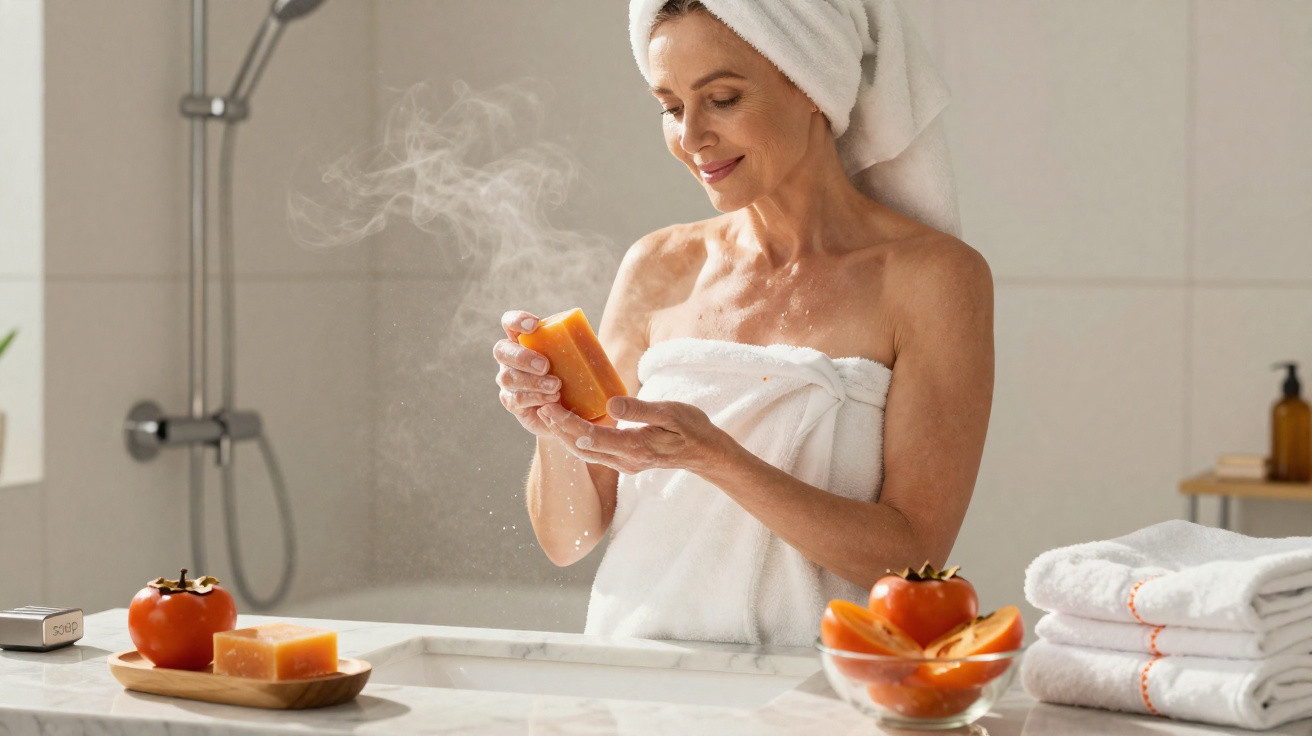
Bar and liquid soaps containing persimmon extract-often described as “kakishibu” or “persimmon tannins”-show real potential for tackling 2‑nonenal. The polyphenols in persimmon bind to odour molecules and limit oxidation at the skin’s surface. Many products are also formulated within a pH range suited to skin.
- How it works: tannins attach to aldehydes, lowering their volatility and odour.
- An added benefit: antioxidants moderate the lipid-oxidation cycle that continues to produce 2‑nonenal.
- How it feels on skin: well-balanced cleansers remove impurities without stripping the skin, which is beneficial over time.
Using persimmon soap for practical results
- Apply it daily in the shower to the neck, chest, back, underarms and skin folds.
- Before rinsing, leave the lather on these areas for around 60 seconds.
- Use lukewarm water and a soft flannel rather than an abrasive scrub.
- If your skin is sensitive, choose products containing aloe vera, glycerin or panthenol.
- Carry out a patch test if botanical ingredients easily cause a reaction for you.
“Give the soap time on skin. Contact time matters more than scrubbing harder.”
What about stainless-steel “soap”?
Stainless-steel bars became popular in kitchens for removing onion and garlic smells from hands. With water and friction, they bind certain sulphur compounds on contact. This may help with food odours on hands, but results for 2‑nonenal on the body are usually inconsistent. Consider them a fast solution for hands, rather than an approach for the whole body.
When to use it
- Rub it beneath cool running water after preparing garlic, fish or leeks.
- Use it on the palms and fingers for 20–30 seconds.
- Do not depend on it for the torso or underarms; use persimmon soap in those areas instead.
Build a routine that tackles 2‑nonenal from two directions
In the shower
- Change to persimmon extract soap every day for the main problem areas.
- Keep the water warm rather than hot to protect the barrier and limit excessive lipid oxidation.
- Gently exfoliate two to three times weekly with a cotton flannel.
- Include a lactic acid body wash once a week if your skin tolerates acids.
- Dry carefully, particularly beneath the breasts, in the groin crease and behind the knees.
In the wash
- Launder worn tops promptly rather than leaving sweaty clothing in the laundry basket.
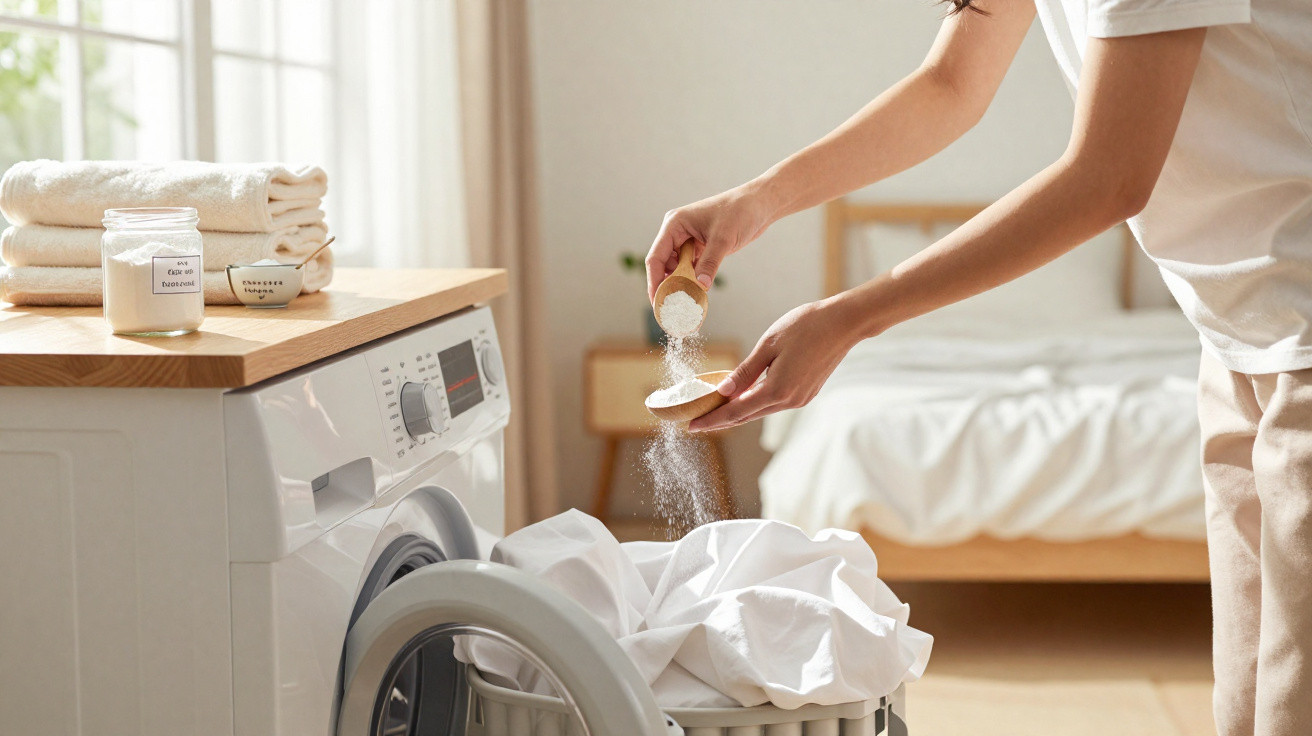
- Select enzyme detergents, which break down odour precursors more effectively.
- Use an oxygen-based booster for towels and sportswear.
- Dry laundry in sunlight where possible, as UV light helps break down volatile odourants.
- Change and rotate shirts more frequently on warmer days.
What to check on the label
- Persimmon extract (kakishibu), green tea polyphenols or bamboo charcoal.
- Zinc salts, such as zinc ricinoleate or zinc PCA, that capture odourants.
- Humectants including glycerin, to help keep skin comfortable and resilient.
- Small amounts of acidifying ingredients, such as lactic acid or citric acid.
A quick comparison of the options
| Option | How it works | Best for | Caution |
|---|---|---|---|
| Persimmon extract soap | Tannins bind aldehydes and reduce oxidation | Daily body washing on odour-prone areas | Patch test if you have botanical sensitivities |
| Zinc-based deodorant | Captures volatile compounds on skin | Underarms after showering | Check for stinging on freshly shaved skin |
| Stainless-steel “soap” | Surface binding of sulphur odours | Hands after cooking | Limited effect on body aldehydes |
| Lactic acid body wash | Gentle exfoliation and pH support | A weekly reset for smoothness | Avoid overuse if you are very sensitive |
“Target the chemistry, not just the smell. Cut aldehydes on skin and keep fabrics from feeding them back.”
A sensitive-skin approach
Choose a persimmon soap containing aloe, glycerin and ceramides. Keep showers brief, and pat skin dry instead of rubbing it. If you shave your underarms, cleanse first and shave afterwards, then opt for a zinc-based deodorant rather than sprays with high alcohol content. Fragrance may conceal odour but can also irritate, so use it lightly at skin-safe levels or avoid it altogether.
Diet, stress and medicines: contributing factors
Eating plenty of fried fats can increase skin oxidation. Base meals around vegetables, beans, whole grains, lean proteins and sources of omega-3. Drink fluids consistently throughout the day. Because stress hormones can alter sweat composition, short daily walks, breathing exercises or stretching may be helpful. If a new or unusually strong smell develops alongside tiredness, weight changes, a rash or fever, consult a clinician. Changes in thyroid function, infections, dental problems and some medicines can all alter body-scent patterns.
A straightforward 30-day plan
- Days 1–3: move to persimmon soap and wash key areas with a 60-second contact time.
- Day 4: add zinc deodorant, and begin washing worn tops within 24 hours.
- Week 2: introduce one lactic acid wash; dry towels in the sun once if the weather permits.
- Week 3: review fabrics that retain odour and wear close-fitting synthetics less often in rotation.
- Week 4: continue with the effective steps; scale back if skin remains comfortable and odour decreases.
Extra measures that build on the results
Hair can retain odourants as well. Cleanse the hairline at the neck and any chest hair with the same persimmon lather. On gym days, have a quick rinse after exercising and change into a clean top immediately. Put worn clothing in a breathable laundry basket rather than a sealed container, which can create a humid microclimate that sets the smell in.
When travelling, take a mini persimmon bar and an extra breathable shirt. In hotels where laundry facilities are limited, a quick sink wash using an enzymatic travel detergent can reduce lingering odour from collars and underarm panels. Small changes can make a difference when they address the molecules actually responsible for the odour.


Comments
No comments yet. Be the first to comment!
Leave a Comment