
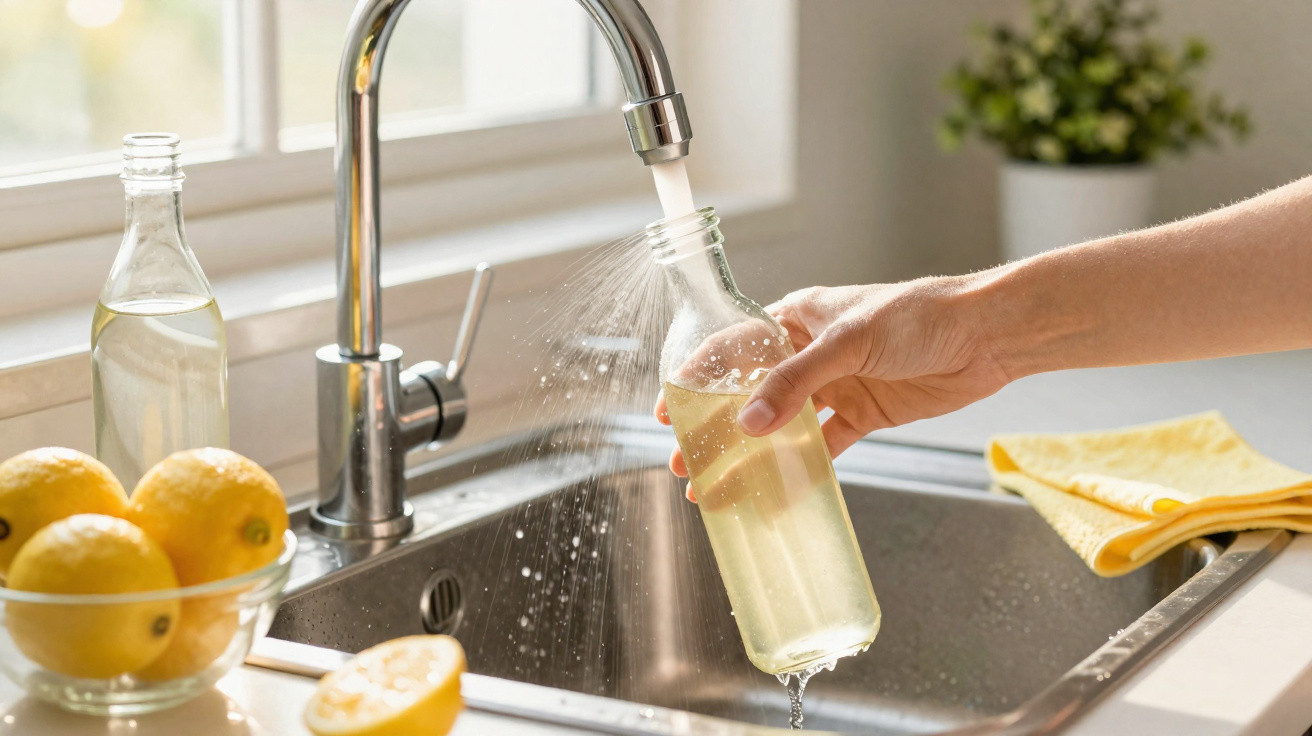
Many people know the problem: at first, there are only a few white marks around the tap, but eventually the entire sink looks dull and dirty – no matter how often it is wiped. The cause is limescale from hard tap water. Rather than reaching for harsh chemicals, many grandmothers swear by a remarkably straightforward blend of ingredients that almost everyone already has at home.
Why limescale clings so stubbornly to the sink and tap
In many areas, what is known as hard water comes from the tap. It contains high levels of calcium and magnesium. When this water runs over metal, ceramic or stainless steel, the minerals are left behind on the surface.
As the water evaporates, these minerals crystallise to form a rough, white coating – the familiar limescale ring found around:
- taps and their bases
- sink edges
- the overflow and drain
- joints and narrow crevices
This coating builds up further every time the sink is used. Hot water in particular speeds up the process, as minerals settle more quickly when temperatures change. Kitchen sinks are therefore often more affected than bathroom basins.
Many people instinctively choose powerful supermarket descalers. These products often contain harsh acids and solvents. They can:
- irritate the airways
- damage skin and eyes
- attack delicate surfaces such as copper or brushed metal
- enter the environment as chemical residues
“Anyone who understands limescale can tackle it specifically – and usually does not need toxic specialist cleaners.”
The classic vinegar and lemon mixture – and why it works so well
The “grandmother’s recipe” follows one simple principle: acid dissolves alkaline, limescale-based deposits. Here, two natural acids work together:
- Acetic acid from clear household vinegar
- Citric acid from fresh lemon juice
Both break down the bond between the minerals and the surface. Used together, they are more effective than either remedy on its own.
How to prepare the mixture correctly
The basic ingredients are inexpensive and available in almost every kitchen:
- Pour 250 ml of clear household vinegar into a heatproof container.
- Add 250 ml of water.
- Squeeze in the juice of one medium-sized fresh lemon.
- Stir briefly until thoroughly combined.
- Warm the liquid in the microwave for around 30 seconds.
- Transfer the warm solution to a spray bottle.
Heating it is not an unnecessary extra step. Warm acid molecules move faster and penetrate the limescale layer more effectively. A spray bottle distributes the mixture evenly and allows it to reach even the smallest gaps.
“The real trick lies in the combination: vinegar, lemon, water – gently warmed and applied precisely with a spray.”
How to use the vinegar and lemon mixture – step by step
1. Prepare the surface
Before spraying, the sink should be roughly clean. Food residue, grease and crumbs prevent the acid from working properly, as it first reacts with dirt rather than limescale. Therefore:
- Remove loose dirt with a washing-up cloth.
- Briefly wipe away any greasy residue with washing-up liquid.
- Rinse the surface with water and dry it only roughly.
2. Spray on a generous amount of the mixture
Now spray the warm vinegar and lemon solution generously over every affected area:
- around the base of the tap
- along silicone seals
- around the edges of the drain
- beneath the spout, where a hard ring often develops
It is fine for the liquid to run into narrow gaps. This is exactly where thick limescale tends to collect, beyond the reach of an ordinary sponge.
3. Leave it to work – without scrubbing
Allow the mixture to work for at least 20 minutes. During this period, it dissolves the limescale structure layer by layer. For particularly heavy build-up, the contact time can be extended to 30 to 40 minutes.
“While the mixture does its work, there is no need for anyone to scrub – saving effort and protecting surfaces.”
4. Wipe away and deal with remaining areas
Once the contact time has passed, a damp microfibre cloth is usually enough to remove the loosened limescale. Microfibres pick up the residue effectively without leaving scratches.
For awkward areas, use:
- an old soft toothbrush for tight crevices
- a cotton bud around the edge of the tap
- folded kitchen roll for deep joints
Then rinse the sink thoroughly with clean water. This ensures that no acidic residue remains, which could damage the surface over time.
5. Drying – the underestimated step
Finally, make sure everything is rubbed dry. Anyone who only rinses the sink and leaves it wet will soon see fresh water marks appearing. A soft cotton cloth or dry microfibre cloth is sufficient.
“Those who dry consistently after cleaning often halve limescale build-up – without using any additional products.”
How often should the mixture be used?
Anyone living in an area with very hard water benefits from a regular routine. A sensible approach is:
- a brief treatment with the vinegar and lemon mixture once a week
- an extra round after heavy use, such as lots of cooking or visitors
- for light deposits, simply spray, wait a few minutes and wipe clean
This prevents limescale from reaching the heavy grey-white crust stage, where even strong products have to work hard. The focus shifts from “emergency cleaning” to gentle maintenance.
How to reduce limescale in the long term
If limescale is a constant issue, it is possible to go a step further and tackle the source: the water itself. Options include:
- a central water softener in the cellar
- jug filters or cartridge systems for drinking water
- filters fitted directly beneath the sink
Such systems reduce the level of calcium and magnesium in the water. Appliances such as dishwashers and washing machines last longer, while shower heads become clogged less often. Nevertheless, a certain amount of minerals remains, so regular gentle cleaning is still worthwhile.
Which surfaces are delicate – and where care is needed
As useful as the vinegar and lemon mixture is, some materials are sensitive to acid. These include, for example:
- natural marble
- limestone worktops
- some untreated natural stones
Acid can roughen and dull these surfaces. In such cases, test first in an inconspicuous spot or use specialist stone cleaners instead.
For stainless steel, ceramic and most taps with chrome or brushed finishes, it is generally enough not to leave the mixture on for excessively long and to rinse thoroughly afterwards.
Why this household remedy remains so popular
Many people are once again turning to simple products such as vinegar and lemon. The reasons are clear:
- The ingredients are inexpensive and easy to obtain.
- You know exactly what the mixture contains.
- No pungent fumes and no burning sensation in the throat or eyes.
- Fewer chemicals entering wastewater.
“Three everyday ingredients, a little warmth and some patience – that is usually all that is needed for gleaming sinks and clean taps.”
Practical additions for everyday use
Anyone wanting to keep their kitchen lower in limescale over the long term can adopt a few straightforward habits:
- Briefly dry the tap after washing up.
- Have badly dripping taps repaired promptly.
- Wipe away splashback on the wall behind the sink straight away.
- Use the vinegar and lemon mixture once a week as a “maintenance treatment”.
One term often used in this context is “descaling”. Technically, it simply means dissolving and removing mineral deposits. Acids such as acetic acid and citric acid react chemically with the minerals, turn them into soluble compounds and therefore make them possible to wipe away.
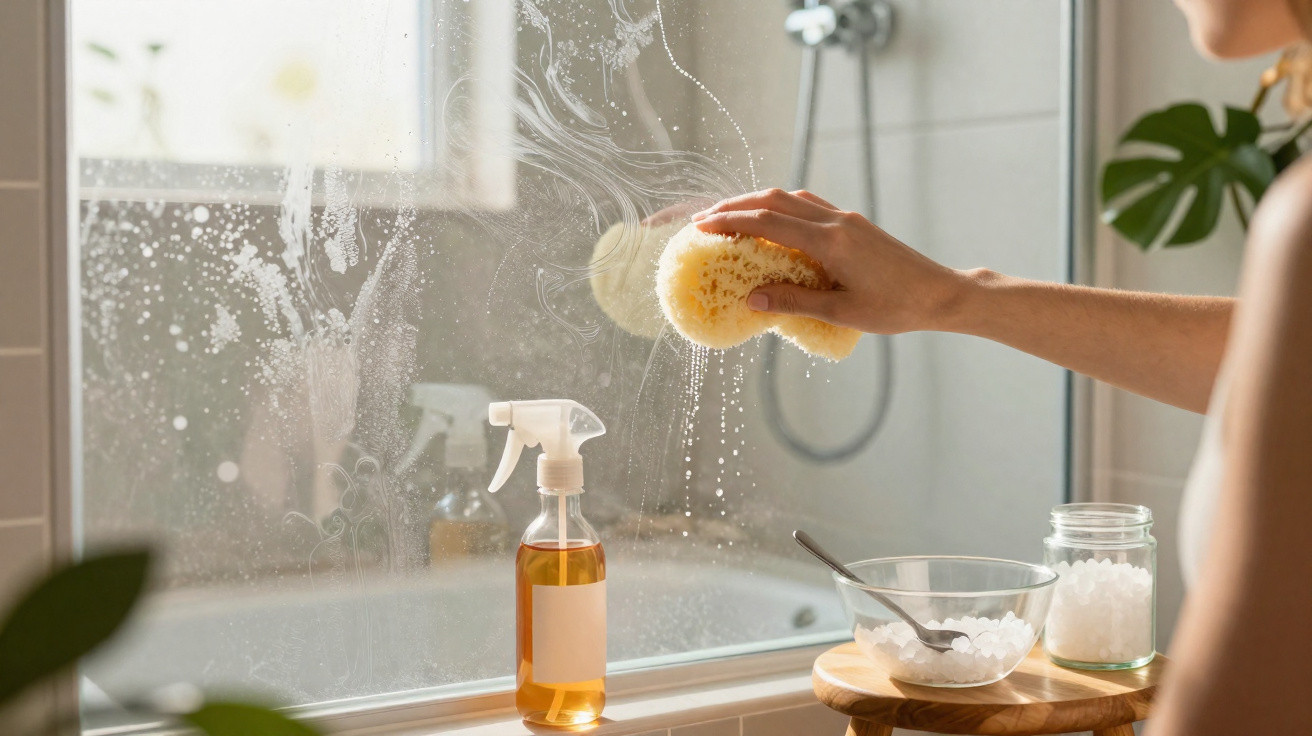
Anyone who understands this process can tackle other parts of the home more effectively too: shower heads, tap aerators and kettles. In many cases, the same mixture works – always taking account of the material and the appropriate contact time.



Comments
No comments yet. Be the first to comment!
Leave a Comment