
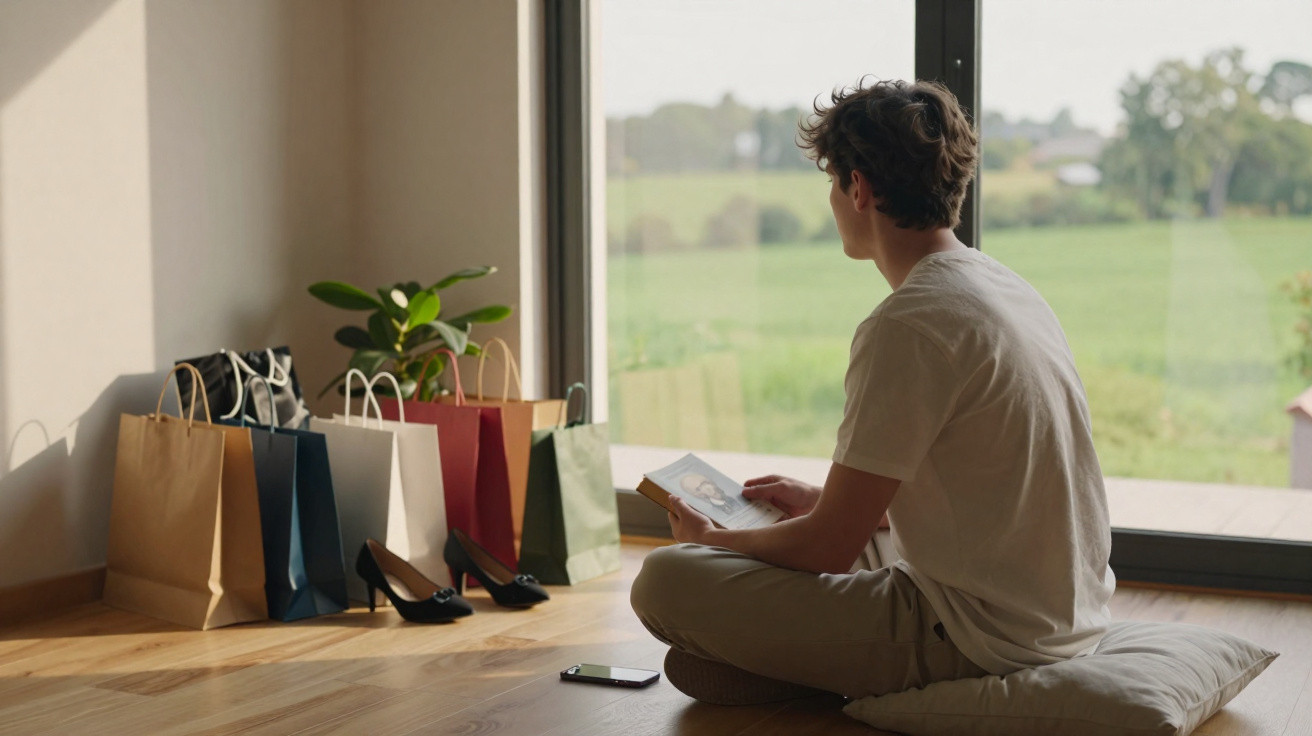
Many people believe that personal fulfilment relies on acquiring new material goods in everyday life. Yet when every achieved goal brings only a short-lived, passing satisfaction, the pursuit of happiness becomes a persistent source of anxiety.
How does the relentless pursuit of possessions affect the mind?
Modern life encourages continual consumption as though it were the definitive route to lasting balance. This outlook fosters unrealistic expectations about shopping, because the mind rapidly adapts to new objects and continually demands more intense stimuli.
When possessions are turned into compulsory goals, people enter a state of ongoing emotional dissatisfaction. The pleasure delivered by accumulating things fades within a few days, leaving an emptiness that drives further purchases and undermines genuine peace in life.
Why is wealth compared to seawater?
The thinker explains that the more external goods we consume, the greater our need becomes for new daily acquisitions… Read more
What does Schopenhauer teach about human will?
In the German philosopher’s view, existence is driven by a fundamental force that directs all our actions. This driving energy, which he called the will, produces an endless stream of longings that traps the mind in a constant, insatiable desire.
As soon as one lack is met, another need immediately arises to take its place in the consciousness. This recurring process prevents inner rest, as the person remains governed by future expectations rather than enjoying the moment with serenity.
Below is a video from the Official Brazil School channel on YouTube, which explores the points discussed in this subject in greater depth:
Why does material dissatisfaction become a continuous cycle?
The habit of seeking comfort in commercial novelties works as a temporary illusion against everyday unease. On buying a coveted item, the individual feels fleeting relief, but soon returns to the original state of frustration and dependence on consumption.
This pattern wears down mental health and creates excessive pressure to achieve ever-higher financial results. Those who live according to endless material targets lose control over their own choices and place their peace in external factors.
Foundations of serenity
Philosophical pillars for limiting material anxiety
Adopting daily reflections can help reduce the constant pressure to consume:
- Clear recognition that impulses are insatiable;
- Conscious cultivation of moderation in every decision;
- An active search for peace in the present moment.
How can a more conscious and balanced outlook be developed?
To break the pattern of anxiety caused by shopping, it is essential to practise honest personal reflection. Questioning daily impulses makes it possible to determine whether a wish comes from an authentic need or simply reflects social pressure.
Understanding the limits of possessions frees daily life from the burden of constant comparisons with others. By appreciating simple experiences and developing self-control, people build a balanced outlook and set healthy limits on spending.
A number of practical habits can transform one’s relationship with consumption and preserve mental harmony:
- Recognise passing impulses before making any significant purchase;
- Avoid financial comparisons that create feelings of frustration and anxiety;
- Give priority to simple activities that encourage relaxation and lasting satisfaction.
How does moderation strengthen daily peace?
True peace does not come from the number of objects accumulated, but from the ability to live in harmony with the present. When the mind stops chasing limitless goals, it gains room to cultivate calm and self-knowledge.
By applying philosophical teachings to everyday life, it becomes far easier to dismantle the traps of excessive consumerism. Living moderately supports a conscious existence, shielding emotions from passing illusions and sustaining a sense of fulfilment.



Comments
No comments yet. Be the first to comment!
Leave a Comment