
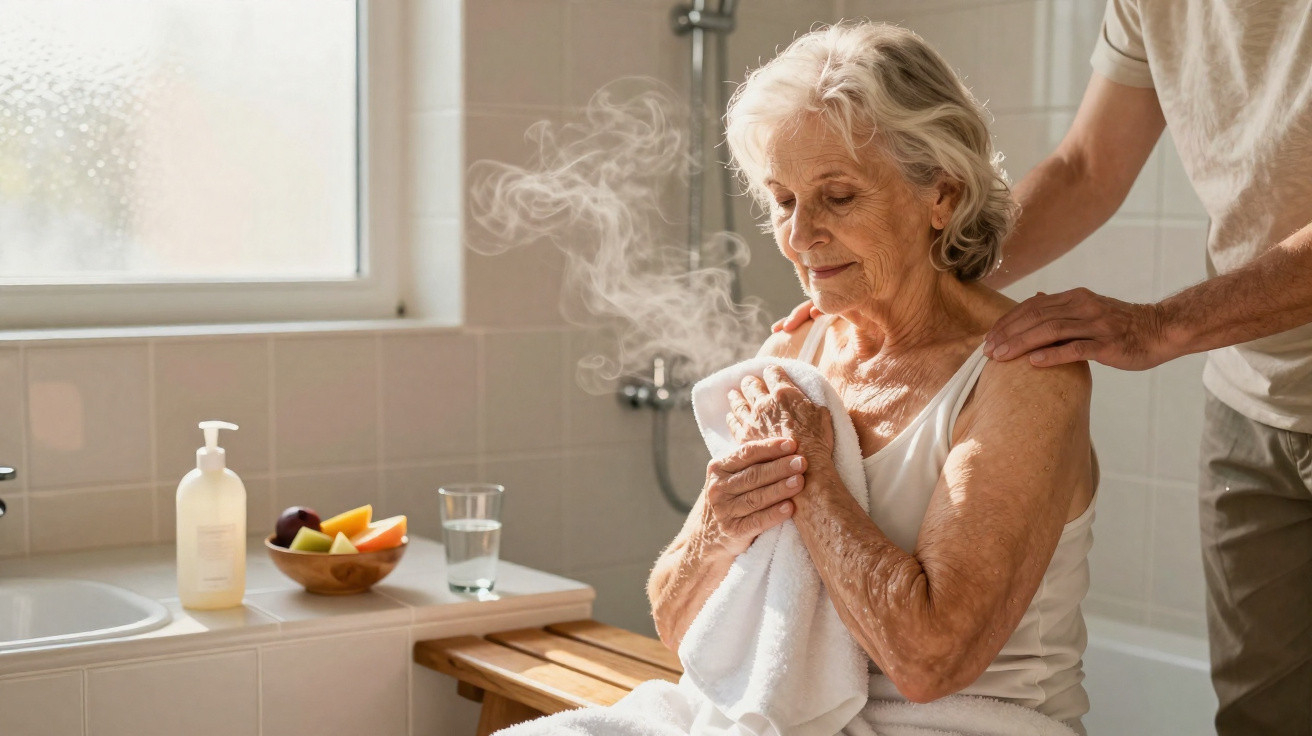
So-called body odour in older age is often approached with prejudice, yet it is not merely a matter of poor hygiene. It may be connected to natural age-related changes in the skin, its oil production and the oxidation of substances the body produces over time.
The skin changes over time
As we age, the skin undergoes changes in sebum production, cell turnover and its natural defence against oxidation. These shifts can affect body odour.
One compound frequently mentioned in this process is 2-nonenal, which is associated with the oxidation of lipids on the skin’s surface. This is why the smell may persist even when someone bathes regularly.
- Mature skin: produces and renews substances differently.
- 2-nonenal: is linked to the natural oxidation of fats in the skin.
- Clothing: fabrics that are stored away or poorly aired can make the odour stronger.
- Ventilation: circulating air helps reduce smells that build up indoors.
Day-to-day odours can come from several sources
Body odour can combine with smells held in clothes, towels, bedding, mattresses and closed cupboards. As a result, focusing on bathing alone does not always solve the whole problem.
Keeping fabrics thoroughly washed, drying them in sunlight where possible and storing them in well-ventilated places can make a significant difference. Stuffy spaces tend to trap smells and make them seem more noticeable.
Bathing helps, but cannot do everything alone
Hygiene remains important, but it should be gentle on mature skin. Very hot showers, harsh soaps and excessive scrubbing may dry the skin and increase discomfort.
Gentle care works best
Perfume is not a replacement for cleanliness
Applying strong fragrances over an odour can create a heavy combination instead of addressing its cause. Mild soap, moisturising the skin and wearing clean clothes generally work better than trying to mask the smell.
After bathing, thoroughly dry skin folds, feet and areas where perspiration is greater to prevent dampness. Moisturising the skin also helps maintain its protective barrier.
Diet and health also play a part
Diet, medication use, hydration and certain health conditions can all change how the body smells. Sudden or very strong changes, especially those accompanied by other symptoms, should be assessed by a healthcare professional.
A routine that includes drinking enough water, eating balanced meals and seeking medical advice when needed supports the body overall, including the skin and perspiration.
Respect is part of care
Discussing body odour in older age calls for sensitivity, because ageing is a natural process. The aim should not be to embarrass anyone, but to understand the causes and improve comfort.
Ultimately, managing this odour involves gentle hygiene, well-cared-for clothes, a ventilated home and attention to health. With respect and a simple routine, it is possible to reduce the discomfort without turning ageing into a source of embarrassment.
If this explanation has helped you understand the subject more respectfully, share it with someone who values practical care and information free from prejudice.






Comments
No comments yet. Be the first to comment!
Leave a Comment