
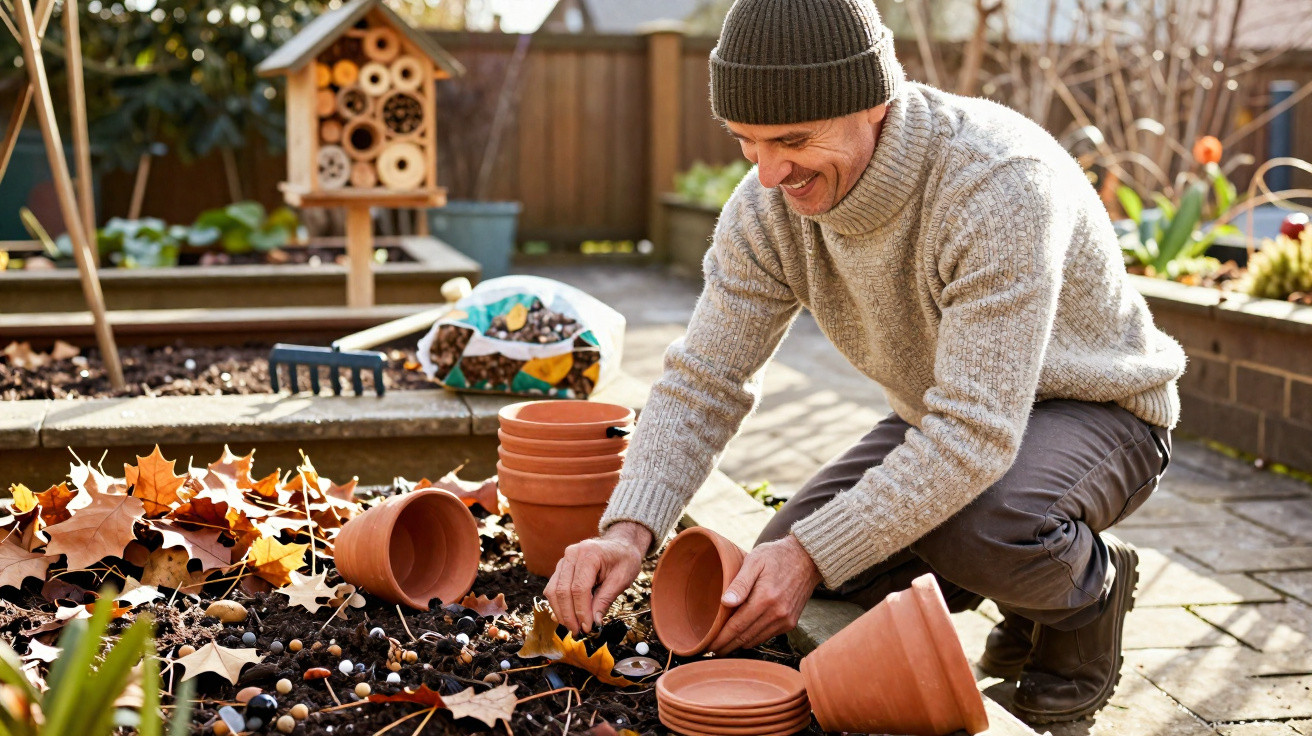
During cold spells, keeping the garden protected requires close attention to details that can easily go unnoticed in day-to-day routines. Minor organisational oversights create ideal hiding places for unwanted intruders, turning ordinary materials into warm shelters that can jeopardise the entire home cultivation area.
How do piles of leaves and mulch shelter pests?
Thick layers of fallen leaves and organic matter left around beds create an overly damp microclimate. This protected setting holds onto residual warmth, drawing in voracious slugs while also providing ideal conditions for various snails to multiply unnoticed in the garden.
To stop these molluscs from finding a secure refuge, gently turning the mulch with a tool helps aerate the soil. Constant airflow lowers excessive moisture and makes it harder for pest eggs to settle on vulnerable plants.
How can you keep molluscs away from the vegetable patch without chemicals?
Homemade traps using vegetable scraps attract the animals at night for disposal… Read more
Why do stacked pots and saucers encourage small intruders?
Containers left on the ground and saucers that collect water create pools and persistent shade, supporting the survival of crawling insects. The underside of these items remains permanently dark, enabling weevils and other unwelcome species to stay sheltered from severe frost.
Raising pots on suitable stands and regularly emptying their saucers removes unwanted sources of damp. Repositioning these containers from time to time disrupts the animals’ hiding place, preventing small intruders from establishing long-lasting colonies in a residential plot.
Below is a video from the Spagnhol Plantas YouTube channel that explores techniques for growing and protecting plant species in greater depth:
How do wood piles and pallets attract pests?
Wood stored directly on the ground and pallets placed against walls retain deep moisture for weeks. These structures create insulated corridors that shield insects from natural predators, turning narrow gaps into ideal resting places for any persistent pest.
Arranging stored supplies on raised trestles and leaving adequate space from walls prevents contact with wet ground. Sealing cracks in stone paving reduces warm hiding places, making it harder for harmful populations to become established in your home vegetable patch.
Intruder Prevention
Structural care
Essential measures to prevent infestations in stored wood:
- Raise firewood stocks on supports set clear of the ground.
- Seal cracks and joints between stones and paving.
- Move platforms and pallets periodically to air the area.
Which simple measures prevent these intruders from settling?
Following a preventive routine before temperatures drop sharply dismantles the ecological niches created by neglect in the garden. Careful cleaning of planting beds removes excess decomposing matter, encouraging a balanced and healthy setting for every cultivated species.
Applying small mineral barriers, such as coarse sand or fine gravel, along bed edges creates rough surfaces that discourage intruders from moving through them. This physical measure retains the right level of moisture in the soil without offering secure shelter to any unwanted mollusc.
Key practices for strengthening bed protection during cold weather:
- Keep materials away from walls to improve ventilation.
- Remove water-collecting saucers from beneath outdoor pots.
- Aerate plant mulch regularly to speed up drying.
How does ecological balance keep the garden protected?
Maintaining biological harmony in the garden encourages effective natural predators, including birds and beneficial insects, to remain nearby. Creating small refuges away from cultivation areas attracts valuable allies, ensuring natural, spontaneous control against the advance of any seasonal infestation.
Thoughtful management turns the care routine into an invisible barrier against damaging organisms. By paying attention to critical areas of moisture and shelter, plants come through the cold season with renewed strength, ensuring vigorous growth free from future damage.




Comments
No comments yet. Be the first to comment!
Leave a Comment