
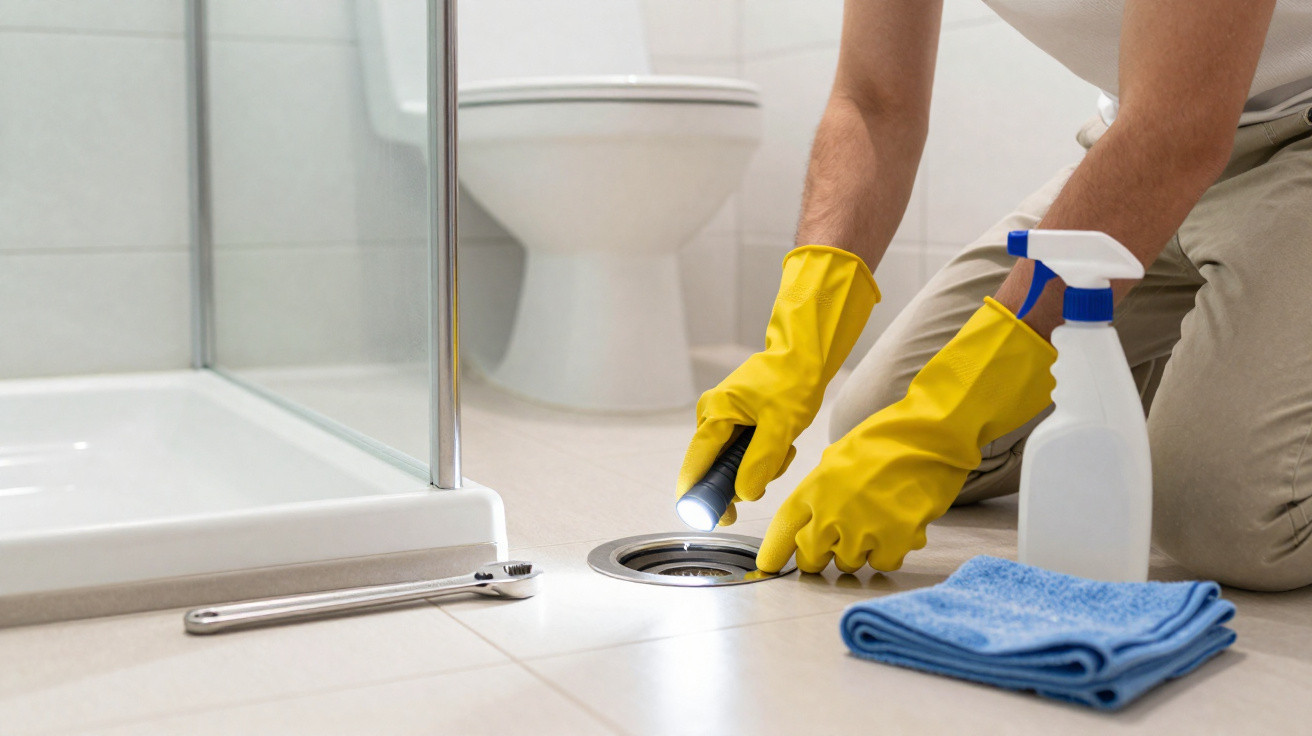
On Monday morning, Camila went into the bathroom and noticed an unpleasant smell that had not been there the previous day. She initially washed the floor and used a cleaning product, but the odour remained. She then decided to inspect an area that is often overlooked: the drain and trap. In drainage systems, small details can explain why an apparently clean bathroom begins to smell unpleasant.
Where can a bad smell from the bathroom drain come from?
The odour may be caused by a build-up of debris, hair, soap and organic matter inside the drainage system. When this material stays damp for a long period, it can encourage unpleasant smells to develop.
Another possible cause is the water seal: a small amount of water retained in certain traps and drains that helps prevent gases from the sewer pipework from returning into the room. If this barrier is not working properly, the smell may enter the bathroom.
Why is the water seal important for preventing odours?
A water seal acts as a physical barrier between the room and the sewer pipework. Water held in the trap or another suitable device makes it more difficult for gases to pass into the bathroom.
If a rarely used drain goes without water for a long time, the water level may fall through evaporation. In some circumstances, this can make odours from the pipework noticeable. Checking whether there is water in the system can therefore be one of the first things to investigate.
How can you clean the trap and check the drain safely?
Camila began with the simplest step: she removed the drain cover and carefully cleared away visible hair and debris. Where the installation provides access to the trap, it should be cleaned according to the type fitted, while avoiding any dismantling that could damage connections or cause leaks.
- Remove visible debris: collected hair and dirt can affect drainage.
- Check the drainage: slowly draining water may point to a partial blockage.
- Inspect the trap: look for accumulated debris or any signs of leakage.
- Check the water seal: in systems that use water as a barrier, make sure it remains in the correct place.
It is also important not to mix chemical cleaning products. Combining different substances can release hazardous gases. For simple maintenance, follow the product manufacturer's instructions and, where possible, choose methods that are compatible with the installation.
When does a bad smell mean it is time to call for maintenance?
If basic cleaning does not solve the issue, the odour quickly returns, or there are signs such as water backing up through the drain, very slow drainage, leaks or unusual noises from the pipework, the problem may extend beyond surface dirt.
In these circumstances, repeatedly trying home remedies or taking apart sections of the installation without the necessary knowledge can make matters worse. Camila realised that a persistent smell should not simply be covered up with fragranced products. When the cause is unclear or there are signs of a system fault, an assessment by a plumbing maintenance professional may identify the source of the odour and recommend the appropriate repair.






Comments
No comments yet. Be the first to comment!
Leave a Comment